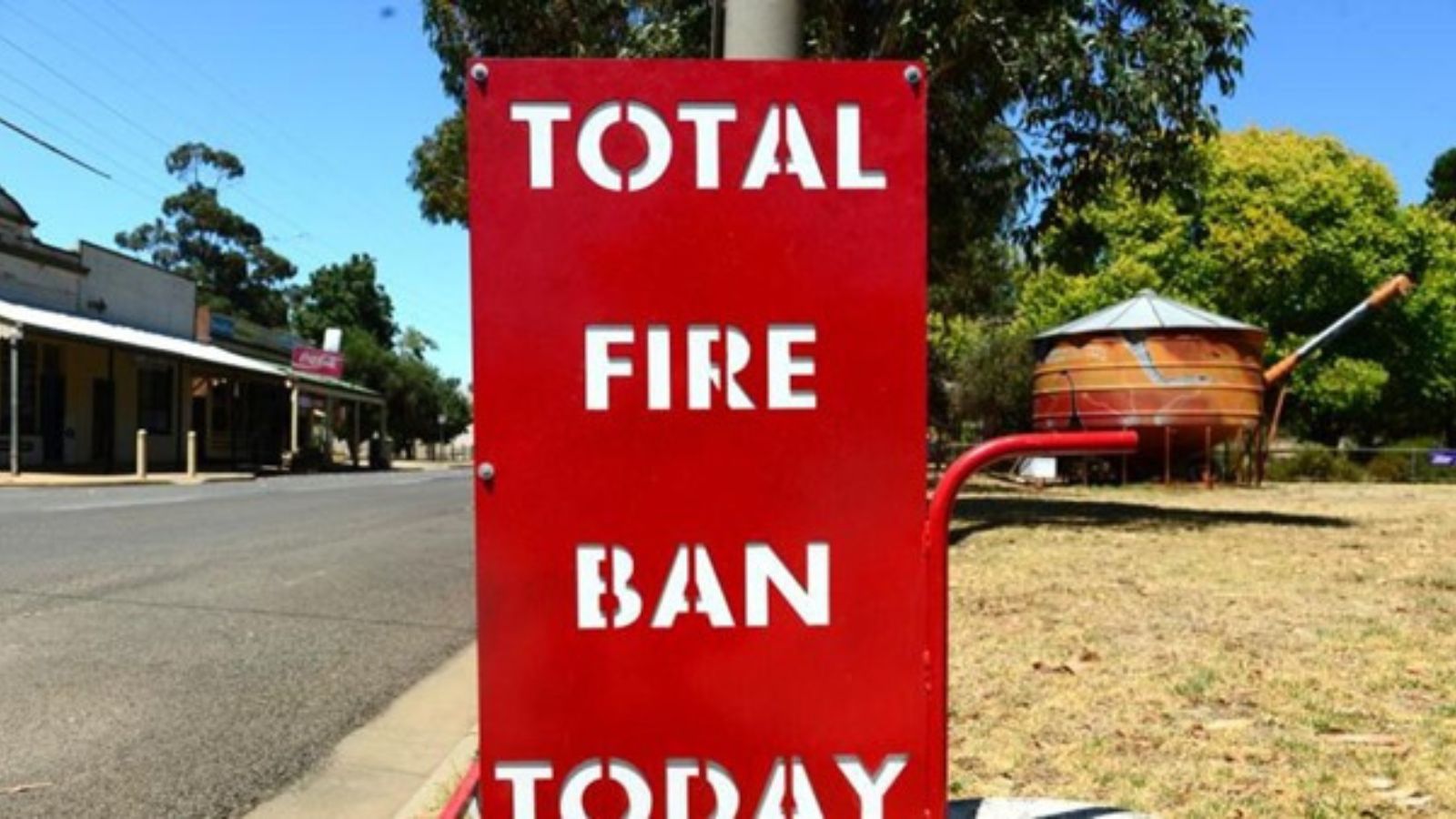
Executive Summary for the Total Fire Ban in Victoria
A Total Fire Ban across Northeast Victoria reflects forecast elevated fire danger and heightened ignition risk. While no major active fire emergency is declared, conditions indicate a high-risk window over the next 24–72 hours, with potential for localized escalation. Impacts may include road closures, temporary evacuations, disruption to agriculture and tourism, and localized power outages, particularly in alpine and Upper Murray areas.
- Event Date: 07 February
- Location: Northeast district, Victoria, Australia
- Risk Category: Natural Disasters
- Severity Level: 3 / 5
- Confidence Score: 85 %
Operational Context
Northeast Victoria is a bushfire-prone region characterised by complex alpine terrain, forested valleys and dispersed rural communities. During peak summer conditions, hot temperatures, low humidity and northerly or north westerly winds significantly elevate ignition and rapid fire-spread risk. Historical patterns show that Total Fire Bans in this district often coincide with short but critical periods where small ignitions can escalate quickly, particularly around Walwa, Tallangatta Valley and Upper Murray corridors, placing pressure on emergency response and local infrastructure.
Known Hotspots & Sensitive Zones
- High-impact zones: Alpine National Park fringes, Walwa township and surrounds, Tallangatta Valley, Upper Murray communities and camping areas along Murray River tributaries.
- Medium-impact areas: Feeder roads, timber plantations and agricultural properties across the district.
- Low-impact areas: More urbanised or cleared areas with lower fuel loads.
The region exhibits strong seasonal recurrence, with repeated bushfire advisories and Total Fire Bans issued during February in recent years.
Impact on Transportation & Services
Transport disruption is expected to be localized but operationally significant. Rural and alpine roads such as the Great Alpine Road and local C-class connectors may face temporary closures or traffic controls, affecting access to communities and tourist sites. Local bus services and V/Line feeder connections could be disrupted, while freight movements on minor rural roads may be delayed. Utilities face moderate risk, particularly electricity distribution lines in forested terrain, with potential for short-term outages impacting communications and small business operations.
Recommended Action
- Organisations should activate Total Fire Ban and bushfire response procedures immediately, prioritising staff safety and site risk reduction.
- Non-essential outdoor or spark-generating activities should be suspended, and facilities should secure ignition sources, fuel storage and hazardous materials.
- Businesses should review evacuation and shelter plans, enable flexible or remote work where possible, and prepare contingency logistics routes.
- Continuous monitoring of VicEmergency, CFA Victoria updates, VicTraffic dashboards and local police advisories is essential for timely decision-making and compliance.
Multi-Dimensional Impact
Total Fire Bans can lead to cancellation of public events, suspension of forestry operations and reduced tourism activity, generating short-term economic impacts for local communities and seasonal industries.
Emergency Contacts
- Emergency Number: 000
- CFA Victoria: cfa.vic.gov.au/
- VicEmergency: emergency.vic.gov.au/
- VicTraffic: traffic.transport.vic.gov.au
Situational Outlook
The most likely outlook involves elevated fire danger confined to the ban period, with small ignitions rapidly contained and no large-scale emergency escalation. A moderate escalation remains possible if an ignition aligns with strong winds and complex terrain, while a severe scenario involving multiple fires and extended evacuations is less likely but would significantly prolong disruption and recovery.
Strategic Takeaway
The Total Fire Ban underscores a critical short-term bushfire risk for Northeast Victoria. Proactive preparedness, disciplined compliance and real-time situational awareness are essential to protecting lives and assets. Leveraging early-warning and risk intelligence tools such as MitKat’s Datasurfr can strengthen decision-making and resilience during this high-risk summer period. Stay ahead of operational risks with real-time alerts, scenario modeling, and expert advisories with datasurfr’s Predict. Start your 14-day free trial of Datasurfr’s Risk Intelligence Platform today.