
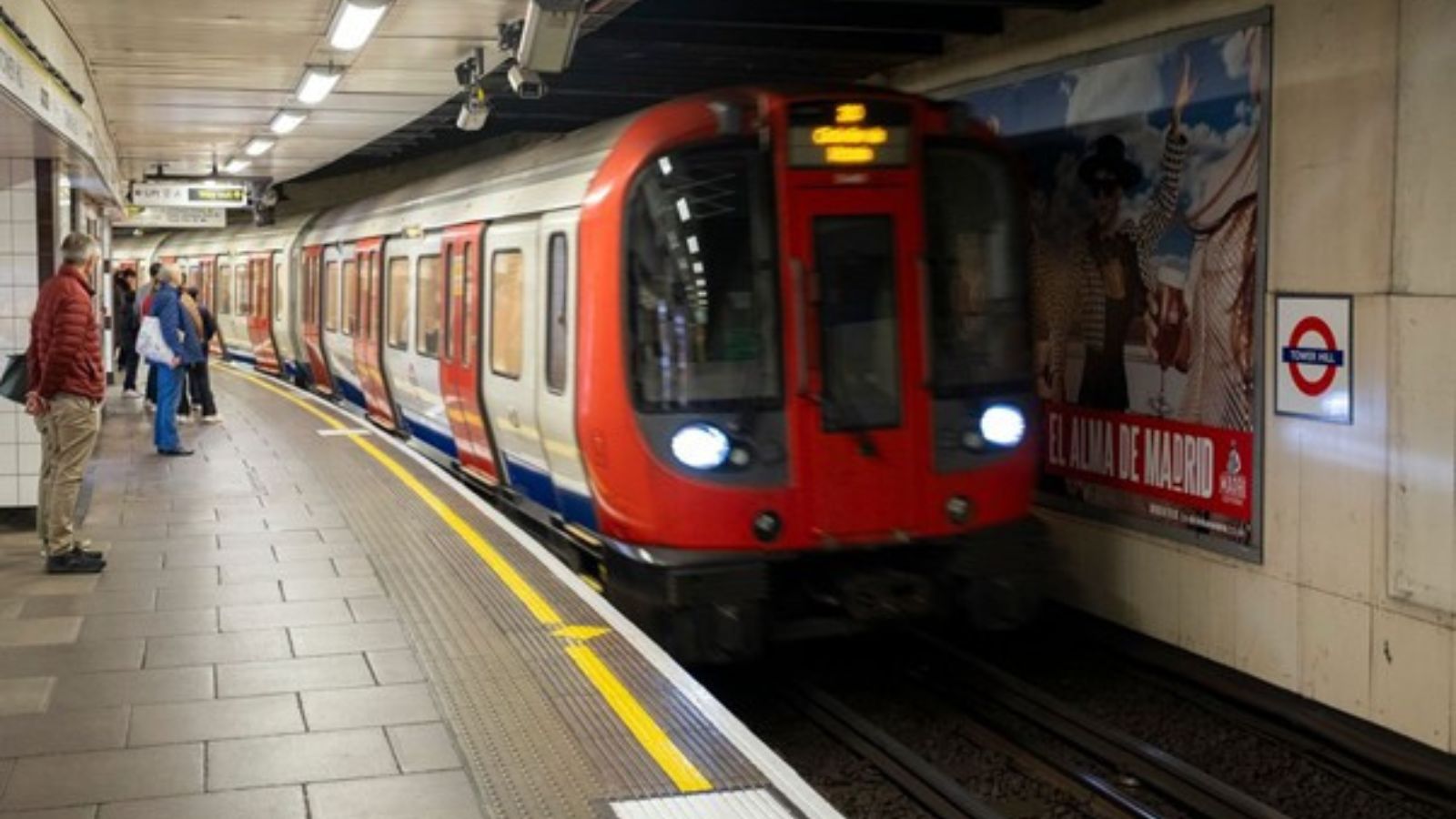
Operational Context
London’s transport network periodically undergoes planned or unplanned multi-line closures, particularly over weekends, to accommodate engineering works and system upgrades. While such closures are operationally controlled, they create significant secondary effects due to London’s reliance on Underground and TfL rail for workforce mobility, tourism, and last-mile logistics. Historical patterns show that even time-bound suspensions shift demand onto surface transport, intensify congestion at interchange hubs, and place strain on alternative services, requiring proactive contingency planning by businesses and public authorities.
Executive Summary
- Event Date: 30 January – 01 February
- Location: London, England, United Kingdom
- Risk Category: Travel Risks
- Severity Level: 3 / 5
- Confidence Score: 75 %
Transport for London has announced a temporary suspension of London Underground and TfL rail services through Sunday, 01 February. The disruption is expected to last 48–96 hours, with phased restoration likely from Monday morning. Severity is assessed as moderate, reflecting widespread mobility disruption without anticipated physical infrastructure damage. Impacts will be concentrated on commuter movement, weekend leisure travel, and time-sensitive business operations.
Known Hotspots & Sensitive Zones
- High Impact Zones: King’s Cross–Euston, Victoria, Waterloo, Oxford Circus, Westminster, and surrounding commercial districts.
- Medium Impact Zones: Key arterial corridors including Oxford Street, Strand, Aldwych, Victoria Embankment, and Euston Road.
- Low Impact Zones: Suburban areas with stronger National Rail connectivity.
Similar disruption patterns recur during weekend-wide TfL suspensions, indicating predictable pressure points.
Impact on Transportation & Services
The complete suspension of Underground and TfL rail services significantly restricts urban mobility, increasing reliance on buses, National Rail, river services, and private-hire vehicles. Surface congestion is expected to intensify, slowing deliveries and limiting staff access to central locations. Businesses in retail, hospitality, and office-based services may experience reduced footfall, staffing challenges, and delayed logistics, while digital and communications infrastructure is expected to remain stable.
Recommended Action
- Organisations should activate London-specific travel contingency plans, including remote-working arrangements, staggered shifts, and alternative transport provisions for essential staff.
- Time-sensitive deliveries should be rescheduled or rerouted where feasible.
- Businesses are advised to monitor TfL live updates and coordinate with local authorities and transport operators to maintain situational awareness and duty-of-care compliance.
Multi-Dimensional Impact
The transport suspension coincides with unrelated local protests and isolated criminal incidents, which may further constrain surface mobility and increase crowding at alternative transport nodes. These overlapping pressures could stretch traffic management and emergency response resources in specific boroughs.
Emergency Contacts
• Emergency Number: 112
• Transport for London: tfl.gov.uk
Situational Outlook
The most likely outlook is continued suspension through Sunday with gradual normalisation from Monday, as replacement services and National Rail absorb displaced demand. A moderate escalation remains possible if technical issues, protests, or weather-related factors delay reopening, while a severe, prolonged disruption is assessed as low probability but would significantly affect central London operations.
Strategic Takeaway
Overall risk remains moderate and time-bound, with primary impacts on mobility rather than infrastructure integrity. Businesses and policymakers should focus on short-term resilience, clear communications, and adaptive workforce planning. Early-warning intelligence and transport disruption monitoring tools such as MitKat’s Datasurfr can enhance preparedness and reduce uncertainty during recurring large-scale urban transport suspensions.
Stay ahead of operational risks with real-time alerts, scenario modeling, and expert advisories with datasurfr’s Predict. Start your 14-day free trial of Datasurfr’s Risk Intelligence Platform today.
Share on WhatsApp