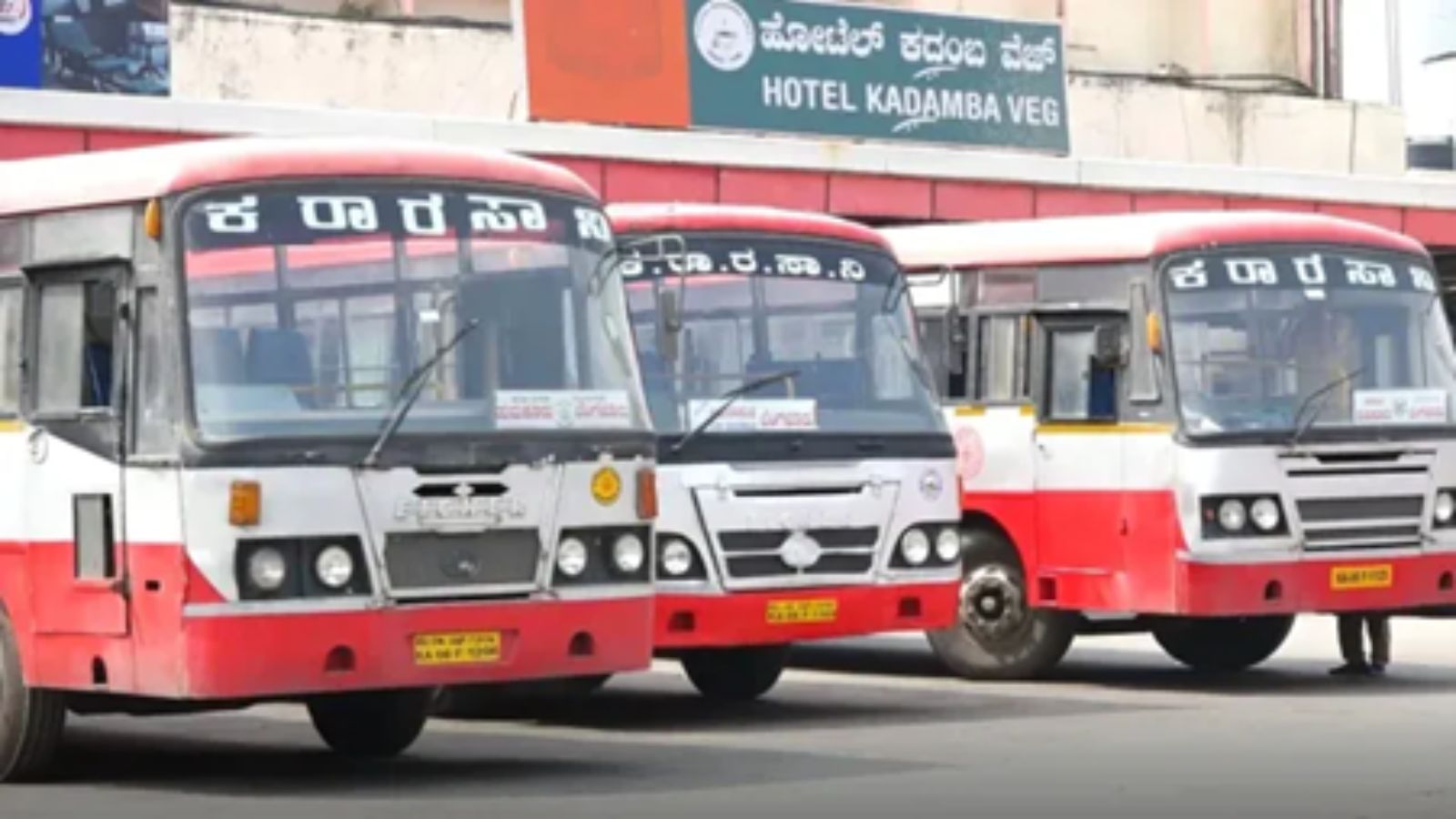
Operational Context
Bengaluru has a well-documented history of transport union protests centred on wage revisions, arrears, and service conditions of BMTC and KSRTC employees. Such events are typically concentrated around civic and transport nodes and are characterised by non-violent assemblies, road blockades, and selective service stoppages. Given the city’s dependence on public bus networks for daily commuting, even short-duration protests can create disproportionate disruption to mobility, last-mile logistics, and access to critical services, particularly during peak commute hours.
Executive Summary
- Event Date: 30 January
- Location: Freedom Park and central Bengaluru, Karnataka, India
- Risk Category: Civil Disturbance
- Severity Level: 3 / 5
- Confidence Score: 75 %
Transport worker unions have reconfirmed a one-day “Bengaluru Chalo” protest focused on wage arrears and revisions. The most likely outcome is a concentrated demonstration with targeted disruptions to BMTC and KSRTC operations, traffic congestion on key arterial corridors, and commuter delays during peak hours. Severity is assessed as moderate, with limited risk of violence or infrastructure damage but clear implications for travel, logistics, and business operations.
Known Hotspots & Sensitive Zones
- High-impact zones: Freedom Park (primary assembly point) and the Majestic area encompassing Kempegowda Bus Station and nearby BMTC and KSRTC depots.
- Medium-impact areas: MG Road, Kasturba Road, Seshadri Road, and sections of the Inner Ring Road.
- Low-impact areas: Airport access routes, particularly NH 648 and Devanahalli–Airport Road.
Similar protest activity has recurred during previous wage negotiations, indicating a predictable pattern of centralised mobilisation.
Impact on Transportation & Services
Public bus services are expected to face partial cancellations, reduced frequency, and route diversions, especially for services terminating or passing through Majestic. Road traffic is likely to slow significantly in central corridors, affecting taxis, auto-rickshaws, and commercial deliveries. Airport feeder services may be indirectly impacted by congestion. Businesses reliant on scheduled staff movement, customer footfall, or time-sensitive logistics should expect same-day operational disruption, while digital and communications infrastructure is unlikely to be directly affected.
Recommended Action
- Organisations should activate short-term incident response arrangements, including work-from-home policies for non-essential staff, staggered shifts for critical roles, and secure transport options where required.
- Facilities and security teams should safeguard physical assets near protest zones and restrict non-essential access.
- Businesses should coordinate with local police and traffic authorities for real-time updates, maintain clear internal and external communications, and document operational impacts for post-event review and compliance.
Multi-Dimensional Impact
The protest may coincide with unrelated incidents such as construction emergencies, airport operational challenges, or localized power outages, increasing pressure on traffic management and emergency services. Combined disruptions could amplify delays and complicate response efforts for organisations operating multiple critical functions in the city.
Emergency Contacts
- Bengaluru City Police: @BlrCityPolice (X)
- Emergency Number: 112
Situational Outlook
The most probable scenario is a single-day protest with peak disruption between 0600–1100 and 1600–2000 hours, followed by gradual normalisation within 24–48 hours if dialogue progresses. A moderate escalation remains possible if allied groups join or negotiations stall, leading to repeated short disruptions over several days. Severe escalation involving prolonged strikes is less likely but would significantly affect public transport capacity and urban mobility.
Strategic Takeaway
The overall risk trajectory points to moderate, short-term disruption rather than sustained instability. Businesses and public authorities should prioritise preparedness, staff safety, and real-time situational awareness. Early-warning intelligence and monitoring platforms such as MitKat’s Datasurfr can support proactive decision-making, reduce uncertainty, and strengthen resilience during recurring civil disturbance events in major urban centres. Stay ahead of operational risks with real-time alerts, scenario modeling, and expert advisories with datasurfr’s Predict. Start your 14-day free trial of Datasurfr’s Risk Intelligence Platform today.