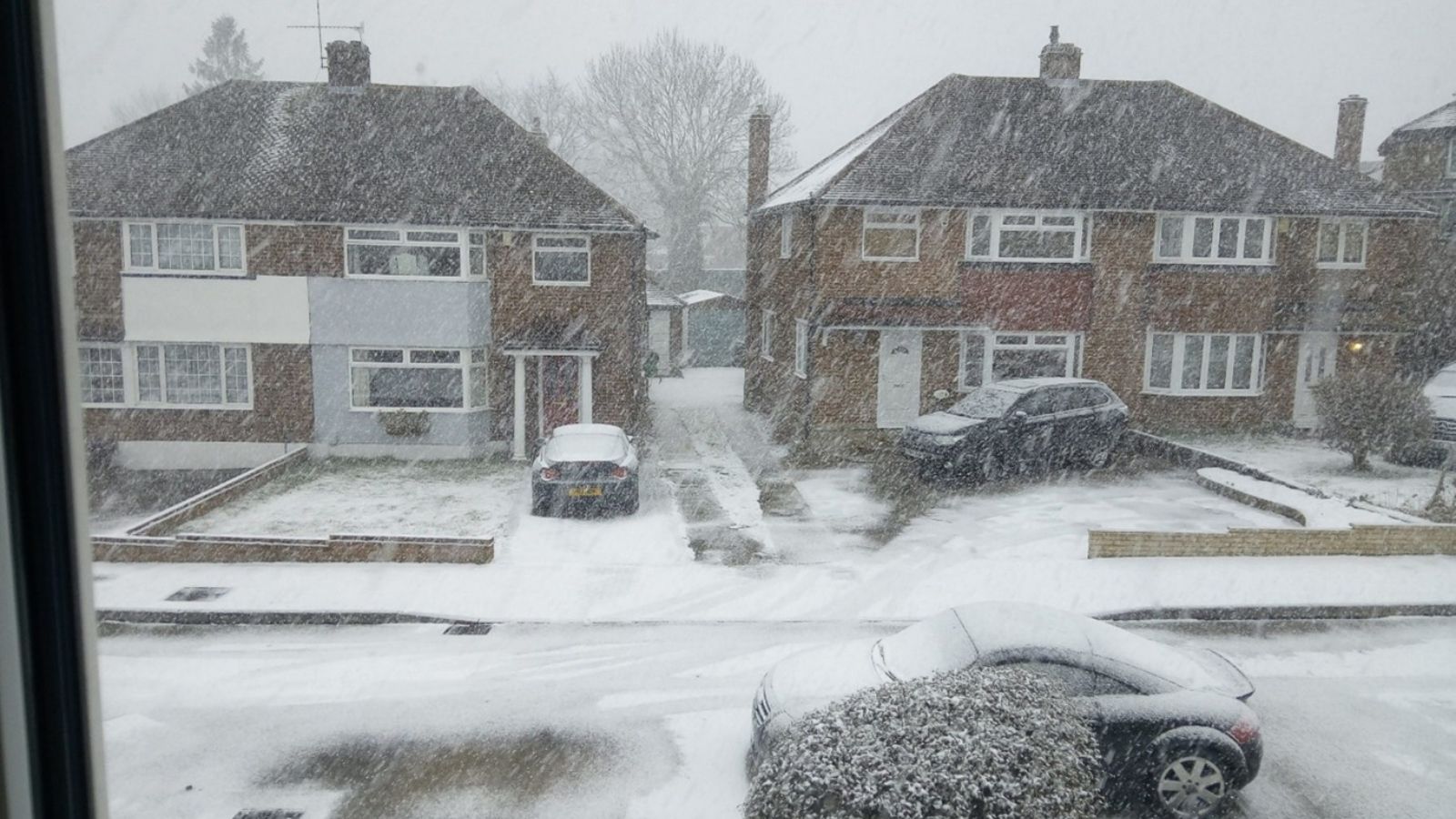
Operational Context
The United Kingdom is entering a short but concentrated period of adverse winter weather beginning late on 29 January, driven by Atlantic rainfall bands interacting with colder air masses. Similar January weather patterns have historically caused localized flooding, icy road conditions, and short-term transport disruption, particularly in low-lying urban and coastal areas. Organisations with distributed operations, logistics exposure, or commuter-dependent workforces face heightened short-term operational risk, especially during overnight and early-morning travel windows.
Executive Summary
- Event Date: 29 January
- Location: Manchester, England, Scotland, Northern Ireland, United Kingdom
- Risk Category: Environment
- Severity Level: 3 / 5
- Confidence Score: 78 %
Forecasts and official warnings indicate heavy rainfall with intermittent snowfall from late 29 January through 30 January, followed by residual flooding and icy conditions for up to 72 hours. Impacts are expected to be localized but disruptive, particularly to road transport, ground-floor assets, and workforce mobility. Severity is assessed as moderate due to the likelihood of surface-water flooding and travel disruption without widespread infrastructure failure.
Known Hotspots & Sensitive Zones
- High Impact Zones: Low-lying urban corridors in southern England, particularly Bournemouth town centre, Christchurch Harbour margins, River Stour floodplain areas in Dorset, and coastal frontage roads.
- Medium Impact Zones: Regional road networks across Hampshire and parts of northern England.
- Low Impact Zones: Scotland and Northern Ireland.
The affected regions show clear seasonal recurrence, with January historically associated with surface-water flooding and cold-weather transport disruption.
Impact on Transportation & Services
Road transport faces the greatest disruption risk, particularly on key arterial routes such as the A35 and A338, alongside local B-roads vulnerable to standing water. Rail services may impose temporary speed restrictions, while bus services are likely to operate on amended routes. Business operations may experience delayed staff access, reduced retail footfall, and minor supply-chain interruptions, while localized utility disruptions remain possible where drainage and ground-level infrastructure are exposed.
Recommended Action
- Organisations should activate severe weather response protocols, including work-from-home arrangements, travel restrictions, and asset protection measures for flood-prone sites.
- Facilities teams should ensure drainage readiness and generator resilience, while logistics operators should pre-plan alternative routing.
- Ongoing monitoring of Met Office warnings and Environment Agency flood alerts is recommended, alongside coordination with local authorities and emergency services.
Multi-Dimensional Impact
Concurrent roadworks and existing infrastructure constraints may amplify congestion and delay emergency response times. Healthcare access and local council services could experience temporary strain during peak disruption periods.
Emergency Contacts
• Emergency Number: 112
• Met Office: metoffice.gov.uk/
Situational Outlook
The most likely scenario is a 24–48-hour period of concentrated disruption from heavy rain and snow, followed by gradual recovery as water recedes and temperatures stabilise. A moderate escalation remains possible if rainfall coincides with freezing conditions, prolonging road closures and service delays. Severe escalation is less likely but could occur if flooding intensifies in already saturated areas, extending recovery timelines into the following week.
Strategic Takeaway
Overall risk remains moderate, with the primary concern centred on short-term transport disruption and localized flooding. Businesses and local authorities should prioritise preparedness, real-time monitoring, and clear communication. Early-warning intelligence and resilience platforms such as MitKat’s Datasurfr can support faster decision-making and reduce operational uncertainty during evolving winter weather events.
Stay ahead of operational risks with real-time alerts, scenario modeling, and expert advisories with datasurfr’s Predict. Start your 14-day free trial of Datasurfr’s Risk Intelligence Platform today.