
Operational Context
Jakarta’s transport network remains highly exposed to seasonal monsoon flooding, particularly across low-lying arterial corridors and river-adjacent districts. Transjakarta and Mikrotrans form critical commuter lifelines for Greater Jakarta (Jabodetabek), supporting workforce mobility, retail access, and first-responder movement. Flood-induced route diversions during peak weekday operations amplify systemic risk for businesses reliant on just-in-time staffing, urban logistics, and customer-facing services. Historical January flood events demonstrate that even short-duration inundation can generate cascading impacts across supply chains, labour availability, and public safety, underscoring the need for coordinated municipal response and private-sector contingency planning.
Executive Summary
- Event Date: 29 January
- Location: Jakarta, Indonesia
- Risk Category: Travel Risks
- Severity Level: 3 / 5
- Confidence Score: 75 %
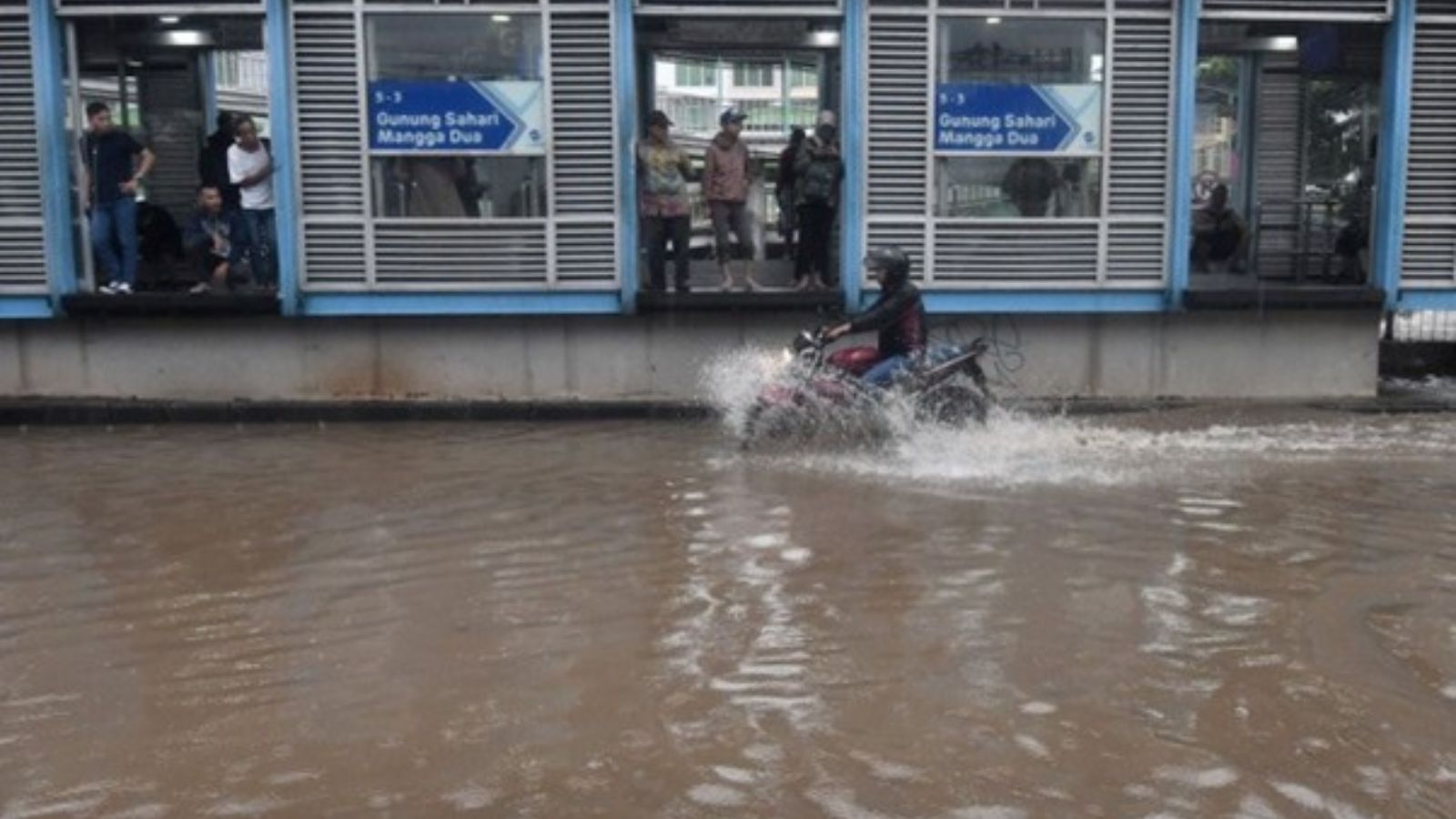
Heavy rainfall and localized river breaches across Jabodetabek on 29 January caused surface flooding that forced Transjakarta to divert 28 routes and disrupted Mikrotrans services across East, West, and North Jakarta. Water depths reached up to 150 cm in several neighbourhoods, inundating key arterials and constraining commuter and emergency movement. Disruptions are assessed as moderate, with a likely duration of 24–72 hours for most bus corridors and up to seven days where embankment repair and road rehabilitation are required.
Current Updates
Municipal authorities and PT Transjakarta confirmed extensive route diversions on the morning of 29 January, citing flooding on Daan Mogot, Tubagus Angke, DI Pandjaitan, Kampung Melayu, Kebon Pala, and Cakung–Cilincing corridors. An embankment leak along the Angke River prompted traffic restrictions and engineering inspections. Emergency services remain deployed, with several roads passable only to high-clearance vehicles and public transport operating on shortened or redirected routes.
Known Hotspots & Sensitive Zones
- High-impact zones: Daan Mogot and Tubagus Angke corridors, Kampung Melayu interchange, Kebon Pala residential clusters, and Cakung–Cilincing industrial access roads.
- Medium-impact areas: Adjacent East and North Jakarta feeder roads experiencing spillover congestion.
- Low-impact areas: Elevated central districts with improved drainage.
Seasonal recurrence during January–February significantly increases exposure across these corridors.
Impact on Transportation & Services
Surface flooding has constrained bus operations, forcing route diversions, stop suspensions, and service delays across the Transjakarta network. Mikrotrans feeder services have been intermittently suspended in inundated neighbourhoods, limiting last-mile connectivity. Business operations face delayed employee arrivals, reduced retail footfall, and disruptions to last-mile logistics. Emergency and municipal services experience longer response times in submerged corridors, increasing operational strain during concurrent disaster response activities.
Recommended Action
- Organisations should activate commuter contingency plans, including staggered shifts, remote work options, and alternative transport subsidies.
- Logistics operators should reroute deliveries away from flooded arterials and secure inventory in flood-prone facilities.
- Facility managers should implement flood-protection checklists, elevate critical assets, and ensure backup power and communications readiness.
- Coordination with local authorities, transport operators, and emergency services is essential to align response measures and reduce exposure.
Multi-Dimensional Impact
Concurrent flood-related emergencies in surrounding regions have increased demand on national disaster-response assets, potentially slowing recovery in Jakarta. Workforce availability constraints in Bekasi and Tangerang further compound supply-chain and service disruptions for metropolitan businesses.
Emergency Contacts
- Jakarta Transportation Agency: transjakarta.co.id/
- Emergency Number: 112
Situational Outlook
Based on historical flood patterns, most transport disruptions are expected to ease within 72 hours as water levels recede and pumping operations progress. However, embankment damage and continued rainfall could extend partial closures and diversions for up to seven days, with cumulative impacts on commuter reliability, logistics performance, and service delivery if repairs are delayed.
Strategic Takeaway
The current disruption reinforces Jakarta’s structural exposure to monsoon-driven flooding and its direct effect on public transport resilience. Businesses and policymakers should prioritise early-warning integration, adaptive commuter policies, and infrastructure reinforcement. Leveraging preparedness and monitoring platforms such as MitKat’s Datasurfr can enhance situational awareness, reduce response times, and support continuity planning during recurrent urban flood events. Stay ahead of operational risks with real-time alerts, scenario modeling, and expert advisories with datasurfr’s Predict.Start your 14-day free trial of Datasurfr’s Risk Intelligence Platform today.