
Operational Context
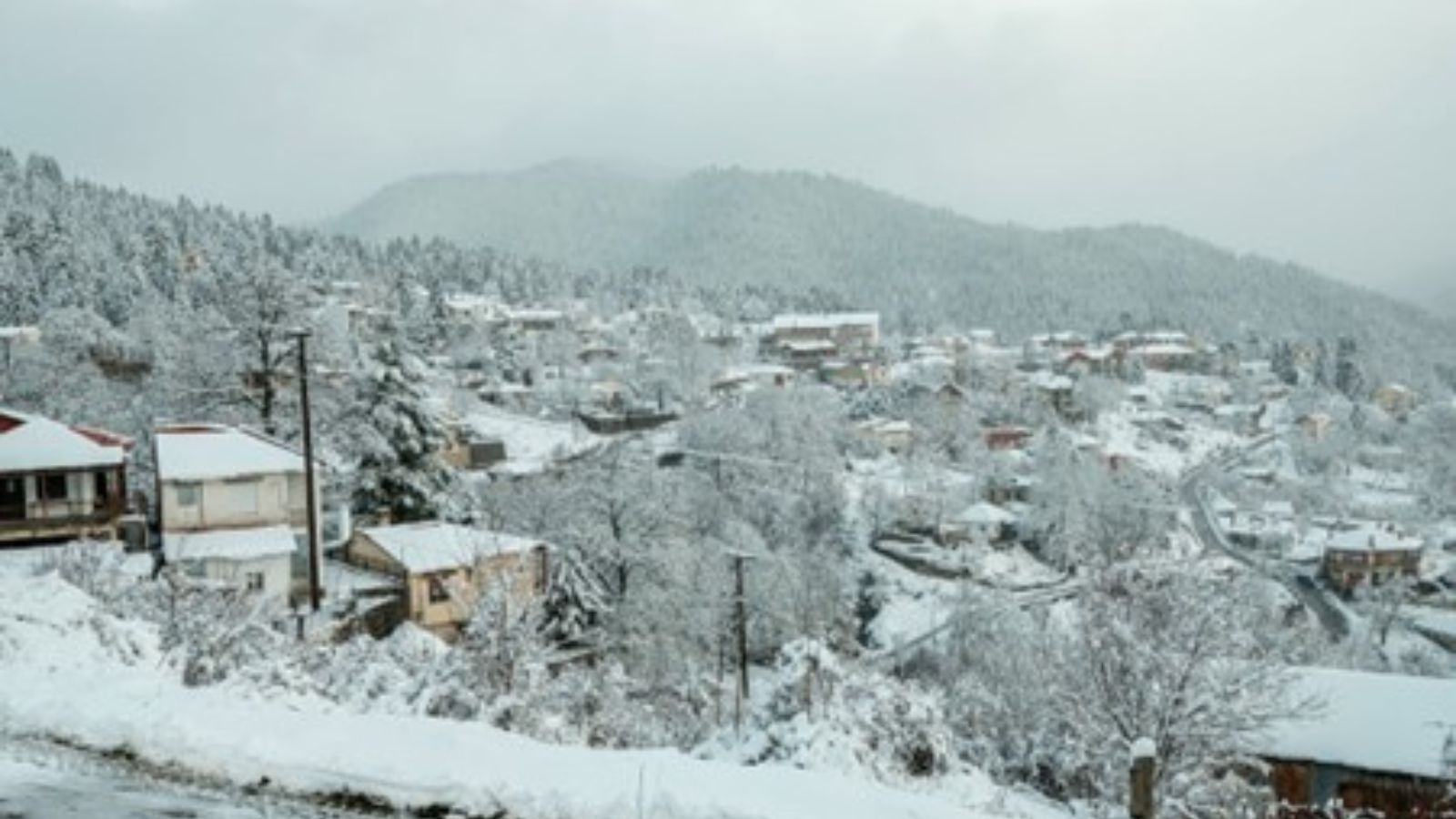
Greece frequently experiences winter severe-weather systems that combine heavy rainfall, gale-force winds and snowfall in mountainous areas. Red-code alerts represent the highest national warning level and are historically associated with flooding, landslides, transport shutdowns and localized power outages. Current conditions are compounded by saturated soils from earlier rainfall and winter temperatures that increase freeze–thaw stress on infrastructure, elevating disruption risk across northern and central regions.
Executive Summary
- Event Date: 21-22 January
- Location: Western Macedonia, Epirus, Thessaly, Central Greece, Peloponnese and Attica, Greece
- Risk Category: Environment
- Severity Level: 4 / 5
- Confidence Score: 72 %
A red-code meteorological alert issued for large parts of Greece indicates a high-likelihood, high-impact severe weather episode over a 24–48-hour window. Expected hazards include intense rainfall, strong northerly winds and snowfall at elevation, with primary impacts to transport, utilities and flood-prone communities. Residual disruption may persist for several days in the most affected basins.
Current Updates
National meteorological authorities and Hellenic Civil Protection have activated heightened readiness protocols for 21–22 January. Forecasts confirm advancing heavy rainbands, gale-force winds and snow at higher elevations. Regional authorities have begun issuing localized travel advisories, while ferry operators and some ports have announced service restrictions during peak wind periods.
Known Hotspots & Sensitive Zones
- High-impact zones: Western Macedonia and Thessaly, particularly the Kastoria basin, Larissa plains and mountain passes where flooding, landslides and snow accumulation recur during red-code events.
- Medium-impact areas: Central Greece and Epirus, where riverine flooding and road closures are common under sustained rainfall.
- Low-impact areas: Attica and the Peloponnese, where urban drainage systems and coastal operations may be stressed.
These risks follow a recurrent winter pattern rather than isolated anomalies.
Impact on Transportation & Services
Major disruption is likely on key road corridors including Egnatia Odos (E90) and the A1/E75 Athens–Thessaloniki axis due to flooding, landslides and wind hazards. Regional airports may experience delays from wind and low visibility, while ferry services face cancellations during gale conditions. Rail lines through Thessaly and northern corridors are vulnerable to waterlogging and slope instability. Business operations may be affected by staff access issues, delayed freight and intermittent utility outages, particularly in flood-prone municipalities.
Recommended Action
- Organizations should activate severe-weather incident protocols, prioritizing employee safety and suspending high-risk field activities.
- Facilities and asset managers should secure outdoor equipment, elevate critical systems and verify backup power readiness.
- IT teams should confirm data backups and remote-access capability.
- Coordination with Hellenic Civil Protection, local authorities and transport advisories is essential, alongside continuous monitoring of official alerts and weather updates.
Multi-Dimensional Impact
No additional non-related events have been identified; however, cumulative effects from prior rainfall increase flood persistence and recovery timelines in vulnerable regions.
Emergency Contacts
- Emergency Services: 112
- Hellenic Civil Protection: civilprotection.gov.gr/en
- National Weather Alerts: emy.gr/en
Situational Outlook
The most likely scenario involves severe but localized impacts concentrated within the 21–22 January window, followed by gradual recovery over several days. A moderate escalation could see prolonged flooding and infrastructure damage extending disruption up to one week, while a severe escalation remains less probable but would involve extended corridor closures and emergency declarations.
Strategic Takeaway
This red-code alert represents a significant environmental risk with material implications for public safety, mobility and business continuity across Greece. Proactive preparedness, rapid response coordination and continuous situational awareness are critical. Leveraging early-warning and risk-intelligence platforms such as MitKat’s Datasurfr can support timely decisions and resilience during high-severity weather events. Stay ahead of operational risks with real-time alerts, scenario modeling, and expert advisories with datasurfr’s Predict. Start your 14-day free trial of Datasurfr’s Risk Intelligence Platform today.
Tags: Greece weather cold snapRed code severe weather alert greece mapRed code severe weather alert greece today
Share on WhatsApp