Operational Context
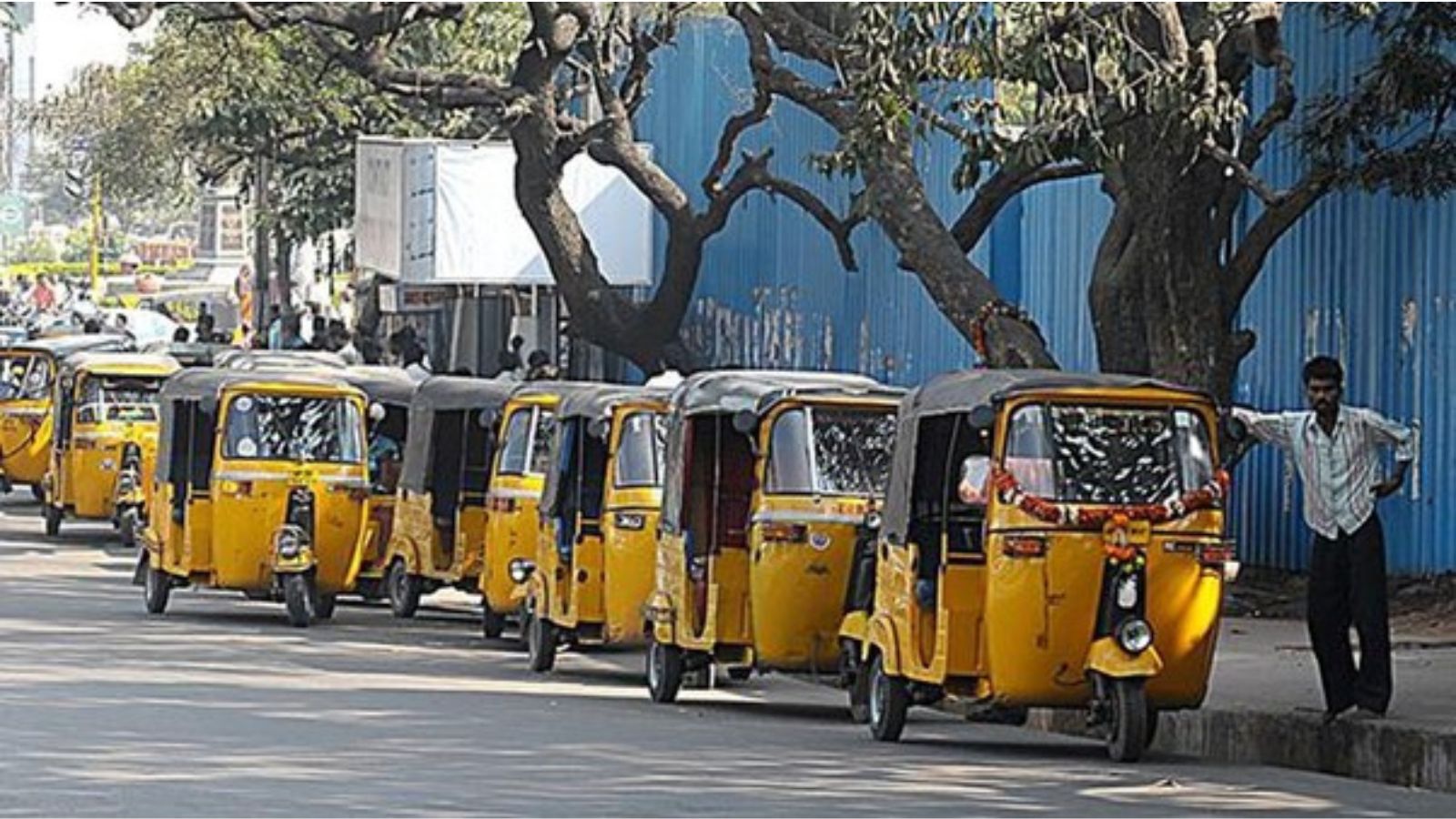
Telangana’s urban mobility ecosystem relies heavily on auto rickshaws and taxis for last-mile connectivity, particularly in Hyderabad and other tier-one and tier-two cities. Historically, transport union strikes in the state have resulted in sharp, short-term disruptions rather than prolonged shutdowns, with impacts amplified in dense commercial districts, transport hubs and shift-dependent sectors. Availability of alternatives such as Hyderabad Metro and TSRTC buses can partially offset disruption, though capacity saturation during strike periods is common.
Executive Summary
- Event Date: 20 January
- Location: Hyderabad and statewide Telangana, India
- Risk Category: Travel Risks
- Severity Level: 3 / 5
- Confidence Score: 65 %
A statewide strike announced by auto rickshaw and taxi unions in Telangana on 20 January is expected to cause localized but high-impact disruption to last-mile mobility, particularly in Hyderabad, Secunderabad, Warangal and district headquarters. Impacts are likely to peak within the first 24–72 hours, affecting commuter punctuality, retail footfall and time-sensitive deliveries. While some uncertainty remains regarding full participation, preparedness measures are advised.
Current Updates
Local media have reported the strike announcement alongside clarifications from union representatives, creating mixed signals on participation levels. No major incidents of violence or enforced shutdowns have been confirmed. Authorities are monitoring the situation, while app-based cab services and TSRTC operations appear operational in early indicators. Traffic advisories and public transport load levels remain key signals to watch.
Known Hotspots & Sensitive Zones
- High-impact zones: Hyderabad’s central business districts and transport hubs such as Koti, Secunderabad Railway Station, Nampally, Punjagutta, Hi-Tech City corridors and airport approach roads.
- Medium-impact areas: Major arterial routes including NH44, the Inner Ring Road and Tank Bund, where congestion historically intensifies during strikes.
- Low-impact areas: Peripheral districts such as Adilabad.
Transport disruptions in these areas recur during organized labour actions rather than seasonally.
Impact on Transportation & Services
The primary impact is expected on auto rickshaw and taxi availability, significantly constraining last-mile connectivity. Secondary pressure will shift to Hyderabad Metro, TSRTC buses and app-based cabs, potentially leading to overcrowding and delays. Road congestion on key corridors may affect airport transfers, emergency response times and delivery schedules. Business operations reliant on punctual staff arrivals, customer footfall or small-scale logistics may experience short-term productivity and revenue impacts.
Recommended Action
- Organizations should activate short-term transportation continuity plans, including remote work enablement, staggered shifts and pooled or shuttle transport for critical staff.
- Logistics teams should reprioritize deliveries and adjust routing to avoid congestion hotspots.
- Proactive communication with employees and customers is advised.
- Liaison with local police, traffic authorities and municipal updates should be maintained for real-time situational awareness.
Multi-Dimensional Impact
Ongoing protests by retired TSRTC employees seeking arrears may heighten public transport tensions and increase the likelihood of sympathetic actions, potentially extending disruption if movements converge.
Emergency Contacts
- Emergency Services: 112
- Hyderabad Traffic Police: @HYDTP (X)
- State Transport Updates: transport.telangana.gov.in/
Situational Outlook
The most probable scenario involves partial strike participation with concentrated disruption on 20 January, easing within two to three days following dialogue between unions and authorities. A moderate escalation could see broader participation or sympathetic protests extending impacts up to one week, while a severe escalation remains less likely but would involve prolonged mobility disruption and heightened safety risks.
Strategic Takeaway
The announced strike presents a moderate but manageable travel risk for Telangana, with the greatest exposure in urban centres and last-mile mobility. Early contingency planning, flexible work arrangements and continuous monitoring are critical. Businesses and policymakers should leverage early-warning and risk-intelligence platforms such as MitKat’s Datasurfr to maintain operational resilience and informed decision-making. Stay ahead of operational risks with real-time alerts, scenario modeling, and expert advisories with datasurfr’s Predict. Start your 14-day free trial of Datasurfr’s Risk Intelligence Platform today.