
Operational Context
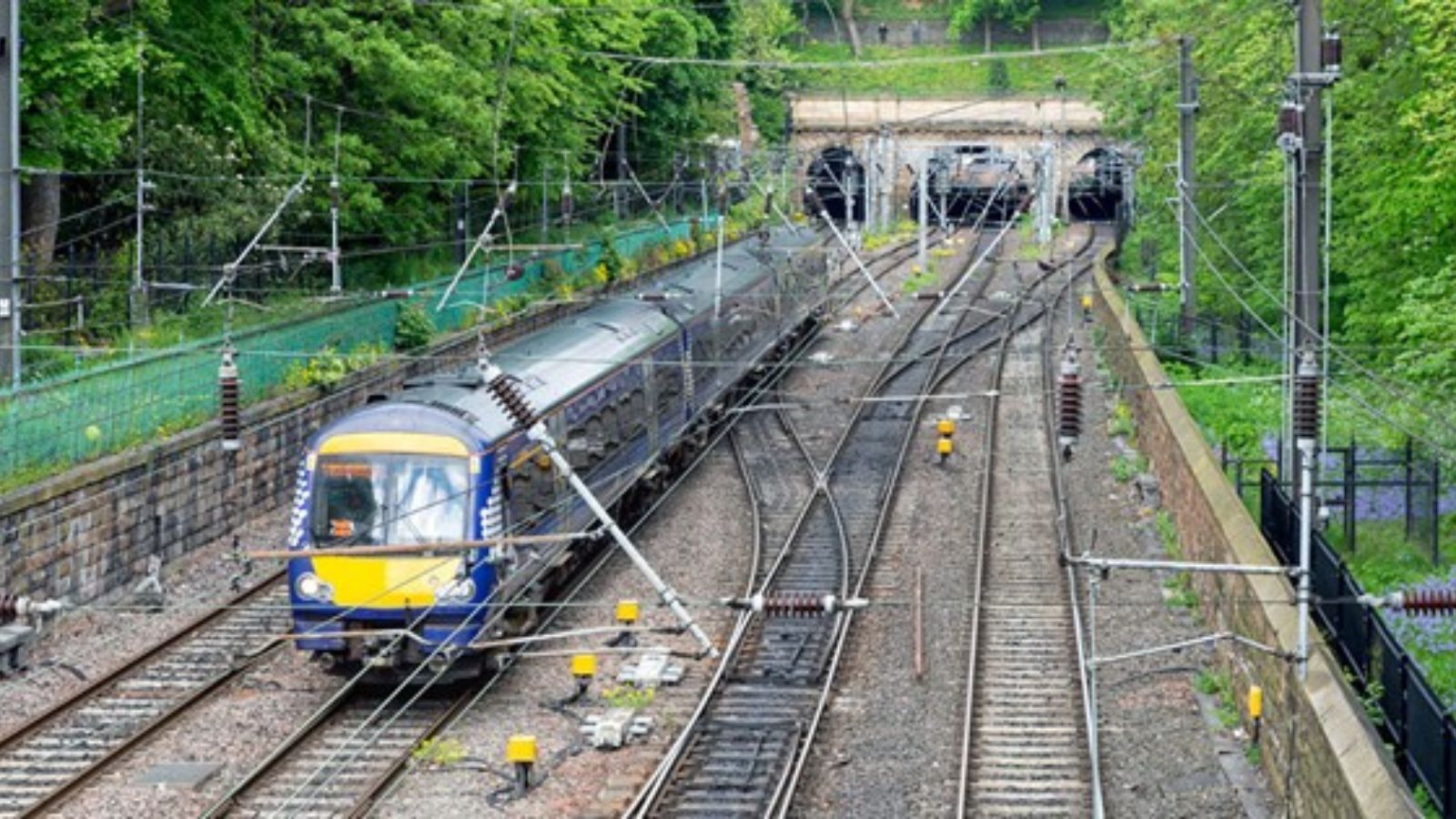
The Edinburgh–Fife rail corridor is a critical commuter and business travel artery linking central Scotland’s capital with residential, commercial and industrial hubs across Fife. Planned engineering works are a routine part of Network Rail and ScotRail maintenance cycles, often involving multi-day closures supported by rail replacement bus services. While such works are pre-notified and managed, historical patterns show that even planned disruptions can generate cascading effects, including congestion at major interchange stations, pressure on local road networks and residual delays during service recovery.
Executive Summary
- Event Date: 19-25 January
- Location: Edinburgh and Fife, Scotland, United Kingdom
- Risk Category: Travel Risks
- Severity Level: 3 / 5
- Confidence Score: 80 %
ScotRail-scheduled engineering works between Edinburgh and Fife are resulting in planned rail closures with replacement bus services operating through Sunday, 25 January. The primary risk is operational disruption rather than safety incidents, with moderate impacts expected for commuters, businesses and time-sensitive travel. Residual disruption of up to 48 hours after reopening is possible as services normalize.
Current Updates
ScotRail has confirmed multi-day engineering works affecting rail services between Edinburgh and Fife, with bus replacement services in operation. Public advisories instruct passengers to expect longer journey times, altered routes and congestion at major stations, including Edinburgh Waverley, Haymarket, Inverkeithing and Dunfermline. Monitoring continues through ScotRail and Transport Scotland update channels.
Known Hotspots & Sensitive Zones
- High-impact zones: Edinburgh Waverley and Haymarket stations, Inverkeithing and Dunfermline stations.
- Medium-impact areas: Surrounding road corridors such as A90, A904 and A823.
- Low-impact areas: Peripheral stations and routes with alternative transport options.
Such disruption patterns are recurrent during multi-day engineering works and electrification projects.
Impact on Transportation & Services
Rail services between Edinburgh and Fife are suspended for the duration of the works, with replacement buses extending journey times and reducing capacity. Increased pressure on local road networks may lead to congestion and delays for taxis and private vehicles. Business operations reliant on commuter punctuality, client travel or station-based logistics may face moderate disruption, while communications systems are expected to remain functional with reliance on real-time travel alerts.
Recommended Action
- Organizations should activate travel-contingency plans, enable flexible or remote working for affected staff and stagger start times to reduce peak congestion exposure.
- Time-sensitive travel and deliveries should be pre-booked using alternative routes or modes.
- Coordination with ScotRail updates and local transport authorities is advised, alongside clear internal and customer communications regarding revised schedules.
Multi-Dimensional Impact
Increased bus traffic may temporarily elevate local emissions and road congestion. Extended disruption could compound regional economic sensitivity, particularly in Fife, where workforce mobility is critical for ongoing industrial and commercial activity.
Emergency Contacts
- Emergency Services: 999
- Non-Emergency Police: 101
- Rail Updates: scotrail.co.uk/
Situational Outlook
The most likely scenario is that planned works proceed as scheduled, with predictable disruption managed through replacement services and travel adjustments. A moderate escalation could occur if technical issues or weather conditions extend closures, while a severe escalation remains low probability but would involve prolonged network disruption and broader regional impacts.
Strategic Takeaway
The planned Edinburgh–Fife rail disruptions represent a moderate, well-signposted travel risk with manageable impacts if proactively addressed. Businesses and authorities should focus on flexibility, early communication and real-time monitoring. Preparedness and early-warning tools such as MitKat’s Datasurfr can support timely decision-making and resilience during recurrent transport disruptions. Stay ahead of operational risks with real-time alerts, scenario modeling, and expert advisories with datasurfr’s Predict. Start your 14-day free trial of Datasurfr’s Risk Intelligence Platform today.
Share on WhatsApp