Operational Context
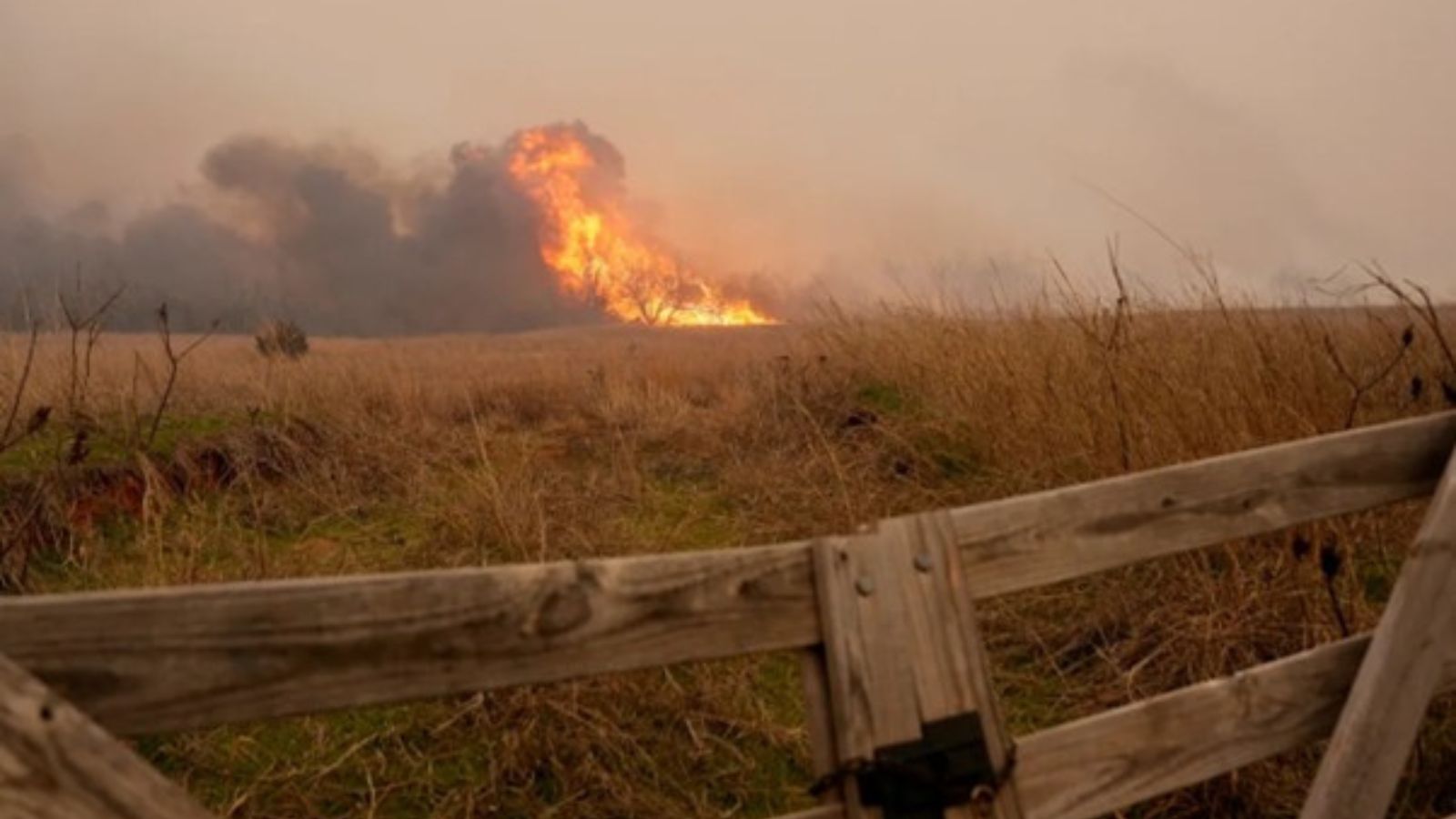
Red Flag Warnings are issued when meteorological and fuel conditions align to support rapid wildfire ignition and spread. In Oklahoma, winter and early spring grassfire seasons are recurrent, particularly across rangeland and wildland–urban interface zones. Historical incidents show that even brief warning windows can produce multiple fast-moving fires, requiring coordinated response from local fire departments, utilities and emergency management agencies. Businesses with outdoor operations, rural assets or linear infrastructure are especially exposed during these periods.
Executive Summary
- Event Date: 16 January
- Location: Northwest, West-central and Southwest Oklahoma, United States
- Risk Category: Natural Disasters
- Severity Level: 3 / 5
- Confidence Score: 80 %
A Red Flag Warning has been issued for large parts of western Oklahoma due to forecast low relative humidity, gusty winds and dry fuels. The most acute hazard window is expected during daytime heating on 16 January, with elevated risk lasting up to 18 hours. Severity is assessed as moderate, reflecting credible risk of rapid grassfire spread, localized evacuations and short-term infrastructure disruption. Forecast confidence is high given strong model agreement and historical analogs.
Current Updates
National Weather Service advisories confirm critical fire-weather conditions across affected counties. Local authorities have urged residents and ranchers to suspend outdoor burning and secure combustible materials. Utility providers and emergency managers have placed crews on standby. As of the initial reporting window, no major wildfires have been confirmed, though multiple small fire starts and burn-ban notices have been reported.
Known Hotspots & Sensitive Zones
- High-impact zones: Rural counties with extensive grassland and wildland–urban interfaces in northwest, west-central and southwest Oklahoma.
- Medium-impact areas: Oil and gas facilities, agricultural storage yards and transport corridors exposed to wind-driven ember spread.
- Low-impact areas: Dense urban centres outside the warning footprint.
Fire-weather risk shows a recurring seasonal pattern during dry, windy winter days, particularly following extended precipitation deficits.
Impact on Transportation & Services
Localized road closures are possible on rural highways and county roads due to fire suppression activity or smoke-related visibility hazards. Interstate corridors such as I-40 may experience intermittent slowdowns but are unlikely to close for extended periods. Power distribution networks face risk of localized outages from fire or wind damage. Business operations involving agriculture, construction and field maintenance may experience precautionary shutdowns, while communications networks could see brief, localized disruptions if aerial lines are affected.
Recommended Action
- Organizations should immediately suspend non-essential outdoor hot work and ignition sources within the warning area and enforce asset protection measures such as clearing defensible space and securing fuel storage.
- Workforce safety plans should enable remote work or staggered shifts where feasible and maintain evacuation readiness.
- Longer-term measures include integrating wildfire risk into continuity planning, coordinating with local fire authorities, and maintaining real-time situational awareness through weather and emergency management channels.
Multi-Dimensional Impact
Concurrent incidents, such as unrelated severe weather or minor seismic activity, could strain emergency response capacity during the Red Flag window. Community response typically emphasizes mutual aid and rapid suppression rather than social disruption.
Emergency Contacts
- UAE Emergency Services: 911
- Oklahoma Emergency Management: oklahoma.gov/oem.html
- Fire Weather and Alerts: weather.gov/
Situational Outlook
The most likely outcome is the ignition of several small grass or brush fires that are rapidly contained as conditions ease overnight, resulting in limited infrastructure damage. A moderate escalation could involve multiple larger fires requiring multi-agency response and short-term evacuations, while a severe escalation involving widespread fires and prolonged closures remains a low-probability scenario.
Strategic Takeaway
The Red Flag Warning represents a time-bound but consequential wildfire risk for western Oklahoma. Proactive suspension of ignition activities, protection of rural assets and close coordination with emergency services will be critical to limiting impact. For businesses and policymakers, early-warning intelligence and preparedness tools such as MitKat’s Datasurfr remain essential for safeguarding people, operations and infrastructure during high-risk fire-weather events. Stay ahead of operational risks with real-time alerts, scenario modeling, and expert advisories with datasurfr’s Predict. Start your 14-day free trial of Datasurfr’s Risk Intelligence Platform today.