
Operational Context
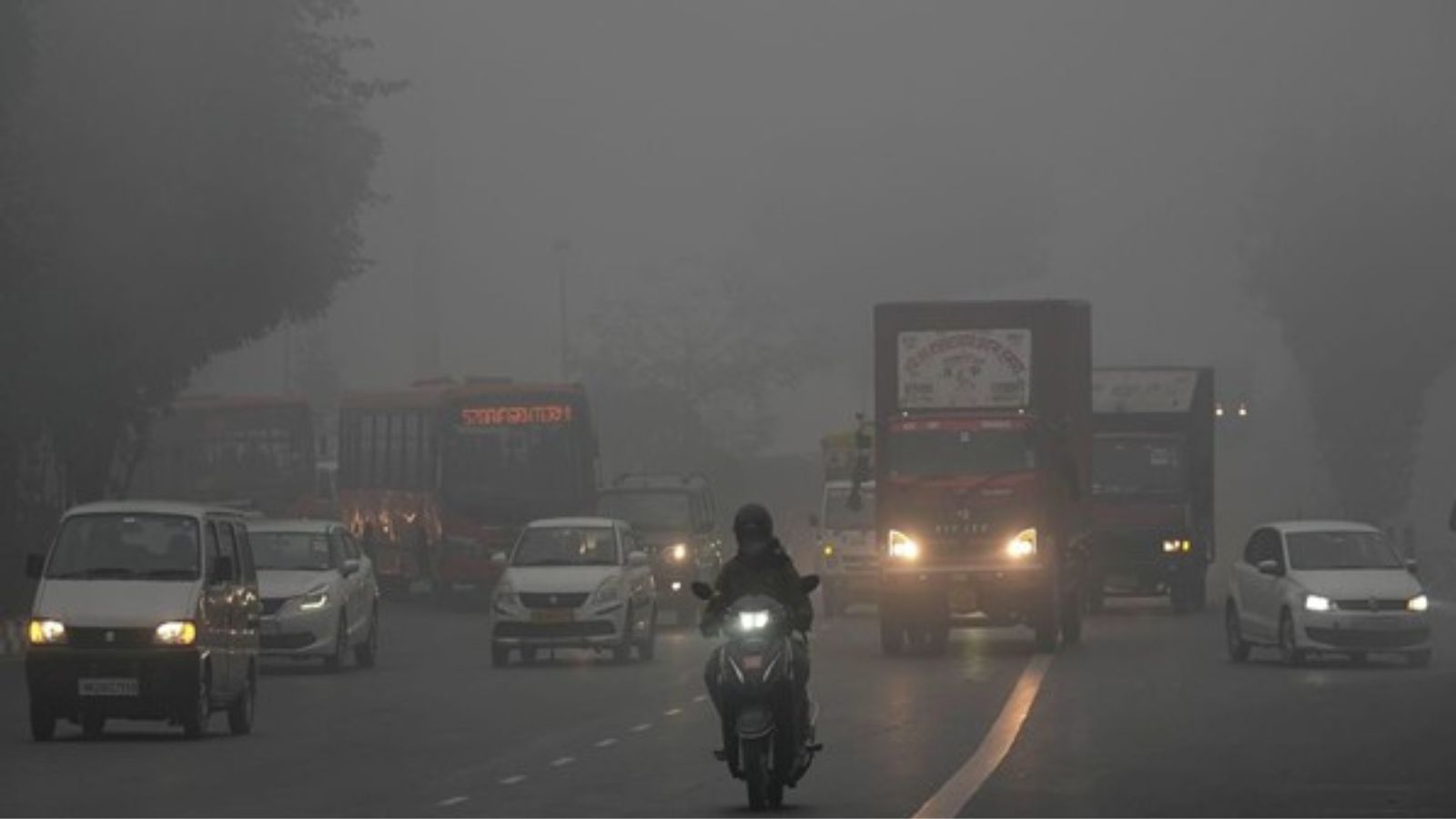
Punjab experiences recurrent dense fog episodes during December–January due to stable winter synoptic conditions, shallow radiative cooling and high moisture retention over river plains. Historically, IMD tiered alerts during this period correlate with transport slowdowns, higher accident rates and temporary disruption to logistics and field operations. Red alerts, though localized, have repeatedly triggered speed restrictions, cancellations and emergency advisories across road, rail and aviation networks.
Executive Summary
- Event Date: 13 January
- Location: Amritsar, Ludhiana and multiple districts across Punjab, India
- Risk Category: Environment
- Severity Level: 3 / 5
- Confidence Score: 82 %
The India Meteorological Department issued red, orange and yellow alerts across Punjab on 13 January, warning of very dense to dense fog and cold conditions. The highest-risk window spans the next 24–72 hours, with lingering operational effects likely for up to seven days in low-lying and river-valley districts. Red-alert zones face the greatest threat, with visibility potentially dropping below 50 metres, historically associated with multi-hour transport disruption and elevated collision risk. While large-scale infrastructure failure is unlikely, the event poses moderate but concentrated risks to public safety, logistics, workforce mobility and time-sensitive business operations.
Current Updates
IMD district-level bulletins confirm tiered fog alerts across Punjab, with red alerts covering the most severely affected districts for the immediate period and orange and yellow alerts extending into the following 48–72 hours. Local administrations typically activate traffic advisories and railway speed restrictions under such conditions. At the time of reporting, no major infrastructure failures or mass-casualty incidents have been confirmed.
Known Hotspots & Sensitive Zones
- High Impact Zones: Amritsar–Jalandhar–Ludhiana corridor, the Ludhiana industrial belt, NH 44 and NH 3, and rail hubs at Ludhiana and Jalandhar.
- Medium Impact Zones: Bathinda, Moga and Ferozepur regional routes with intermittent visibility loss.
- Low Impact Zones: Districts with limited early-morning traffic and less reliance on intercity transport.
Fog-related disruption in Punjab shows a strong seasonal recurrence during January mornings and late nights.
Impact on Transportation & Services
Road transport is expected to operate at reduced speeds, with possible temporary closures on high-risk stretches. Indian Railways typically enforces sectional speed restrictions and selective cancellations, leading to cascading delays. Air operations at Sri Guru Ram Dass Jee International Airport, Amritsar, may experience low-visibility delays or diversions. These conditions disrupt business operations through delayed logistics, reduced workforce attendance and slower field maintenance response, while digital and core utility services remain largely intact.
Recommended Action
- Organizations should restrict non-essential travel during red-alert hours, implement flexible shifts and remote work, and deploy low-visibility driving protocols for essential movements.
- Logistics plans should incorporate rerouting, buffer stock and proactive customer communication.
- Coordination with local police, transport authorities and disaster management agencies is advised, supported by continuous monitoring of IMD updates and traffic advisories.
Multi-Dimensional Impact
Dense fog may compound unrelated security operations and public gatherings by reducing mobility and response times, increasing localized congestion and enforcement challenges.
Emergency Contacts
- National Emergency Helpline: 112
- IMD Weather Alerts: mausam.imd.gov.in/
Situational Outlook
The most likely scenario involves dense to very dense fog during early-morning and late-night hours over the next 72 hours, causing transport delays and localized safety incidents. A moderate escalation could see repeated red-alert periods extending disruption across several days, while a severe, low-probability scenario would involve prolonged cold-fog conditions leading to major transport incidents and heightened regulatory scrutiny.
Strategic Takeaway
The fog alerts represent a manageable but safety-critical environmental risk with concentrated impacts on mobility and logistics. Continuous monitoring, disciplined travel management and early-warning intelligence are essential. Businesses and authorities should leverage preparedness and situational awareness platforms such as MitKat’s Datasurfr to anticipate disruptions, protect personnel and maintain operational resilience during the winter fog season. Stay ahead of operational risks with real-time alerts, scenario modeling, and expert advisories with datasurfr’s Predict. Start your 14-day free trial of Datasurfr’s Risk Intelligence Platform today.
Share on WhatsApp