Operational Context
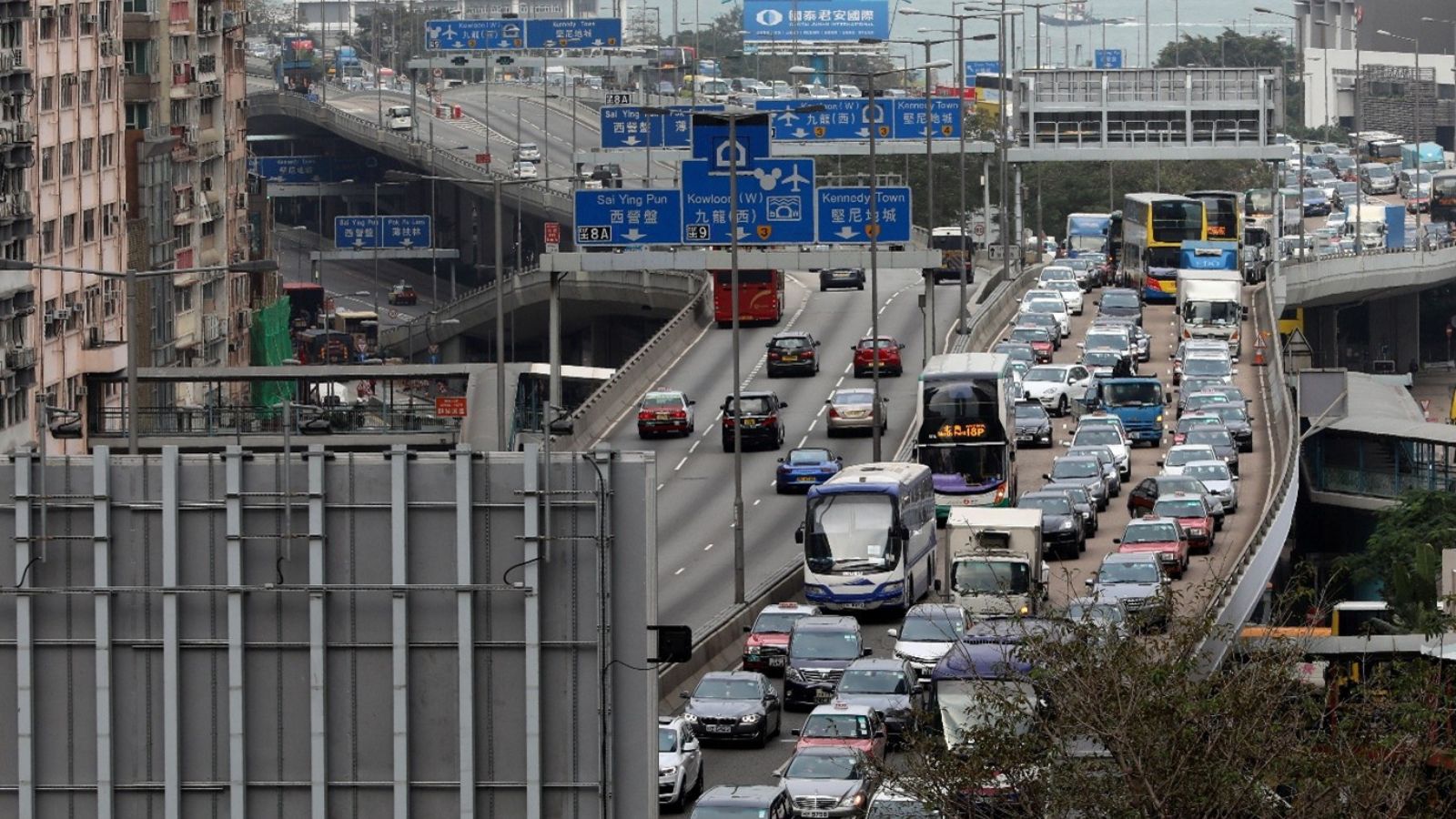
Hong Kong regularly hosts mass-participation sporting and charity events that require temporary traffic management measures, including road closures, parking suspensions and pedestrian control zones. Such events are typically well-coordinated by the Transport Department and Police, resulting in predictable, localized disruption rather than systemic citywide impact. The January event window coincides with weekend leisure travel and tourism activity, increasing sensitivity for districts near event routes. Historical precedent from similar charity runs and public events indicates that operational risk is largely confined to travel delays, crowd management and minor medical incidents, with limited implications for critical infrastructure or utilities.
Executive Summary
- Event Date: 04 January
- Location: Magic Road Southbound, Hong Kong Disneyland Hotel, Hong Kong, China
- Risk Category: Travel Risks
- Severity Level: 2/ 5
- Confidence Score: 85 %
On 04 January 2026, temporary traffic arrangements will be implemented in parts of Hong Kong to facilitate a UNICEF charity run. The most active disruption window is expected between 0400 and 1400 hours, with peak congestion and closures from 0700 to 1100 hours. Impacts are anticipated to be localized and time-bound, primarily affecting road mobility, last-mile logistics and staff commuting in directly affected areas. The overall severity remains low, supported by high confidence due to the scheduled and well-managed nature of the event.
Current Updates
The Transport Department has issued advance notice confirming temporary road closures, traffic diversions and parking suspensions along the event route. Event organizers will deploy marshals and coordinate with police to manage runner safety and traffic flow. Motorists and commercial operators have been advised to plan alternative routes and expect delays within the affected corridors.
Known Hotspots & Sensitive Zones
- High-impact zones: Roads immediately surrounding the run start and finish areas, including Magic Road Southbound and access roads near Hong Kong Disneyland Hotel, where closures and pedestrian density will be highest.
- Medium-impact areas: Adjacent arterial roads and feeder routes experiencing diverted traffic and congestion spillover.
- Low Impact Zones: Districts outside the event footprint with minimal secondary congestion.
Such disruptions are recurrent for weekend charity runs and typically resolve within the same day without residual effects.
Impact on Transportation & Services
Road transport will experience temporary closures and diversions, leading to moderate congestion on alternative routes and delayed taxi and commercial vehicle movements. Public transport, particularly rail services, is expected to absorb the majority of passenger demand, although stations near the event may see crowding. Business operations may face short-term delivery delays, rescheduled appointments and limited access to premises within closure zones. No material impact is expected on air, port, digital services or utilities.
Recommended Action
- Organizations operating near affected areas should adjust delivery schedules, advise staff to use public transport and enable flexible start times or remote work where feasible.
- Logistics operators should pre-plan diversion routes using Transport Department guidance.
- Event-day coordination with local police and transport authorities is recommended to manage access needs.
- Over the longer term, businesses should integrate recurring event disruption planning into travel risk and business continuity frameworks, supported by real-time monitoring tools and local authority advisories.
Multi-Dimensional Impact
The event is unlikely to generate broader cascading effects. Any secondary impact is expected to be limited to minor congestion for unrelated activities occurring nearby during the same time window.
Emergency Contacts
- Emergency Number: 999
Situational Outlook
The most probable outlook is a controlled, one-day disruption with managed traffic diversions, minor commuter delays and isolated medical incidents. A moderate escalation could occur if turnout or weather conditions increase pressure on emergency services, while a severe escalation remains unlikely given established event-management practices and historical outcomes.
Strategic Takeaway
The scheduled traffic arrangements present a low but relevant travel risk concentrated in specific corridors and timeframes. Proactive communication, route planning and flexible operations will mitigate most impacts. Leveraging early-warning and situational awareness platforms such as MitKat’s Datasurfr can further support informed decision-making during planned urban disruptions.
Stay ahead of operational risks with real-time alerts, scenario modeling, and expert advisories with datasurfr’s Predict. Start your 14-day free trial of Datasurfr’s Risk Intelligence Platform today.