Operational Context
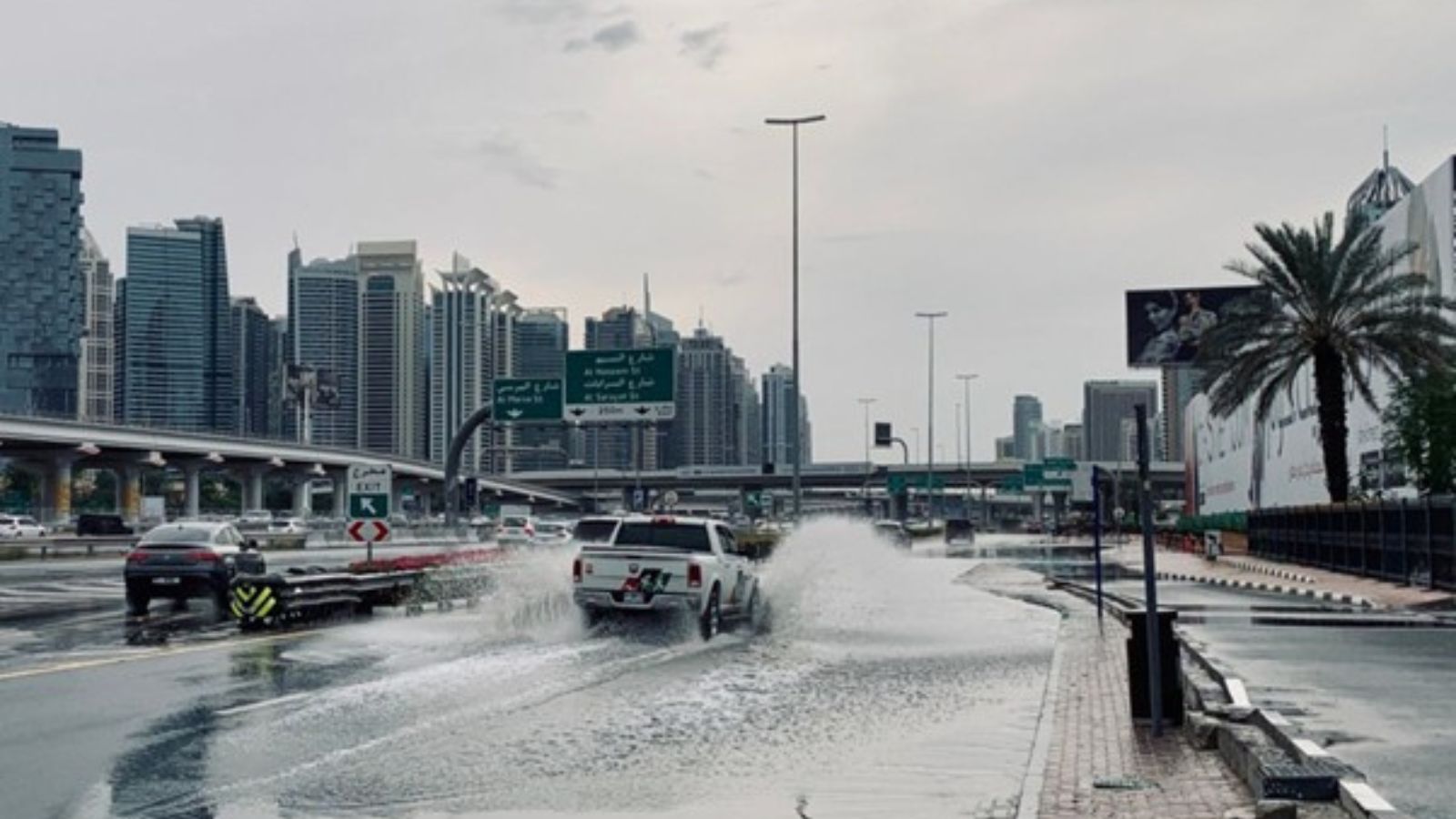
Late-December frontal systems periodically affect the UAE, bringing short but intense rainfall and gusty northerly to northwesterly winds. Urban infrastructure, particularly road drainage, ports and airports, is sensitive to rapid water accumulation and crosswinds. The current forecast coincides with heightened population movement, logistics activity and large public events, increasing exposure to operational disruption despite the typically short duration of such weather systems.
Executive Summary
- Event Date: 30 December
- Location: Abu Dhabi, Dubai and Sharjah, United Arab Emirates
- Risk Category: Environment
- Severity Level: 3 / 5
- Confidence Score: 78 %
National Center of Meteorology advisories indicate a 12–36-hour window of rainfall and strong winds across the UAE on 30 December. Localised heavy showers and gusts are expected to cause flash flooding in low-lying urban areas, reduced visibility and temporary disruption to transport and outdoor operations. Impacts are likely to be short-lived but operationally significant due to holiday travel volumes.
Current Updates
Weather bulletins issued on 30 December warn of unstable conditions across most of the country. Authorities have advised motorists to exercise caution and construction operators to secure materials. Airports and ports remain operational while monitoring crosswind thresholds and drainage performance. No large-scale closures have been announced at the time of assessment.
Known Hotspots & Sensitive Zones
- High Impact Zones: Downtown Dubai and Sheikh Zayed Road corridor, Dubai Marina and Jumeirah coastal strip, Jebel Ali port access roads, Abu Dhabi Corniche approaches.
- Medium Impact Zones: Dubai–Al Ain Road, Emirates Road (E611), Sharjah airport access routes and low-lying industrial zones.
- Low Impact Zones: Inland residential districts with limited exposure to runoff or coastal winds.
These locations show recurring vulnerability during winter rain events, particularly where drainage capacity is exceeded.
Impact on Transportation & Services
Road transport is most exposed, with pooling at underpasses and temporary lane restrictions likely to cause significant congestion on major arterials. Airports in Dubai and Abu Dhabi may experience minor delays due to crosswinds and surface water, while port yard operations could slow under sustained gusts. Retail, hospitality and event operations may face reduced footfall and access constraints, especially in downtown celebration zones.
Recommended Action
- Organizations should activate weather response protocols, secure loose assets and enable staggered or remote work for non-essential staff.
- Logistics operators should pre-plan alternate routes and adjust delivery schedules.
- Continuous monitoring of NCM advisories and coordination with local authorities, civil defence and transport agencies is advised.
- Longer-term measures include strengthening drainage management and integrating seasonal weather risk into business continuity planning.
Multi-Dimensional Impact
The event overlaps with New Year travel and large public events, increasing strain on transport networks, emergency services and crowd management. Reputational risk may arise for event organizers and service providers if disruptions are not proactively managed.
Emergency Contacts
- National Center of Meteorology alerts: mobile.ncm.gov.ae
- Emergency helplines: 999 (Police), 998 (Ambulance), 997 (Fire)
- Roads & Transport Authority: rta.ae/
Situational Outlook
T The most likely scenario involves moderate rainfall and gusty winds causing localized flooding, traffic delays and short-term operational disruption over the next 24–72 hours, with gradual improvement thereafter. A moderate escalation could see persistent showers leading to partial road closures and targeted transport delays, while a low-probability severe scenario would involve intense convective rainfall causing wider infrastructure stress and extended disruption.
Strategic Takeaway
The forecast weather represents a manageable but time-sensitive environmental risk during a critical holiday period. Proactive preparedness, real-time monitoring and clear communication will be essential to limit operational and safety impacts. Early warning and situational awareness platforms such as MitKat’s Datasurfr can support timely decisions and resilience across the UAE’s highly interconnected urban systems.
Stay ahead of operational risks with real-time alerts, scenario modeling, and expert advisories with datasurfr’s Predict. Start your 14-day free trial of Datasurfr’s Risk Intelligence Platform today.