
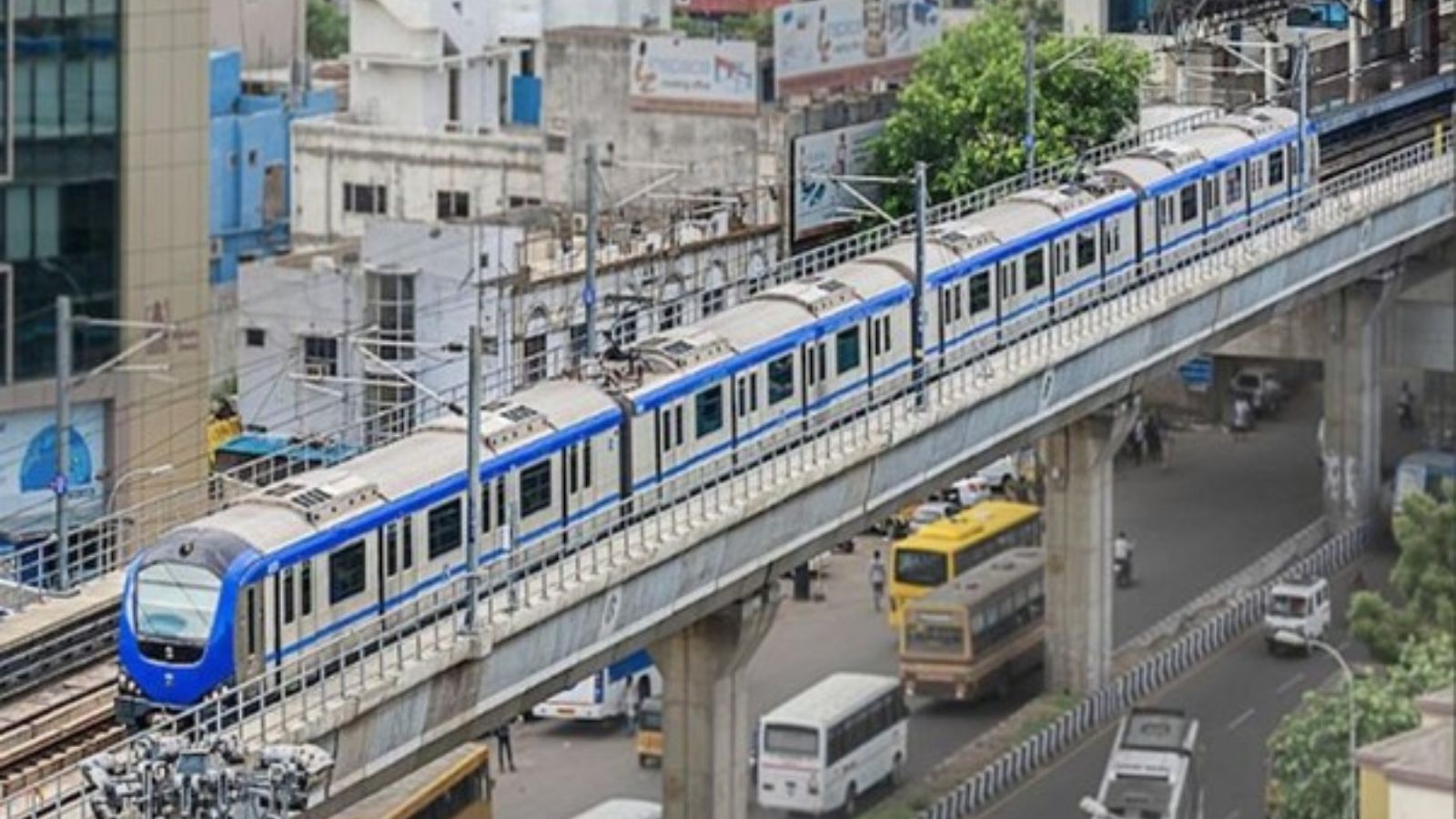
Operational Context
Chennai Metro’s Blue Line between Puratchi Thalaivar Dr. M.G. Ramachandran Central and Chennai Airport is a critical urban transit corridor, linking long-distance rail, airport operations and central business districts. Historically, this section has experienced periodic service interruptions due to technical faults, signalling issues or maintenance activities. Such disruptions typically trigger immediate modal shifts to road transport, placing pressure on arterial corridors such as GST Road and Anna Salai and increasing congestion during peak travel periods, especially around major interchanges.
Executive Summary
- Event Date: 30 December
- Location: Chennai Central–Airport corridor, Chennai, Tamil Nadu, India
- Risk Category: Travel Risks
- Severity Level: 3/ 5
- Confidence Score: 78 %
On 30 December, Chennai Metro Rail Limited reported a disruption to services between Chennai Central and the airport. Based on historical resolution timelines, the most likely restoration window is within the same operational day, though partial disruption may persist up to 24 hours. The severity is moderate, driven by concentrated commuter displacement, airport connectivity challenges and increased road congestion, with a low likelihood of casualties.
Current Updates
CMRL confirmed the disruption and advised passengers to use alternate transport options. At the time of reporting, no official cause or casualty information had been released. On-ground staff were deployed to manage passenger movement at affected stations, and no formal road closures were announced by traffic authorities.
Known Hotspots & Sensitive Zones
- High-impact zones: Chennai Central interchange precinct, including surrounding arterial access roads, and Chennai International Airport metro stations and taxi stands.
- Medium-impact areas: GST Road (NH32) corridor, Anna Salai and NSC Bose Road, which typically absorb diverted commuter traffic.
- Low-impact areas: Peripheral metro stations not directly connected to the disrupted segment.
These locations have a recurring pattern of congestion during metro service suspensions, particularly during holiday travel periods.
Impact on Transportation & Services
The suspension of direct metro services disrupts a primary airport rail link, forcing passengers to shift to buses, taxis and ride-hailing services. This increases congestion on key road corridors and extends travel times. Airport-bound staff, time-sensitive business travelers and service workers are disproportionately affected. While aviation operations remain unaffected, access delays and missed connections pose operational and reputational risks for businesses.
Recommended Action
- Organizations should enable flexible work arrangements, staggered shifts and remote working for affected staff.
- Employers with airport-dependent operations should arrange alternate transport or reimburse additional travel costs.
- Continuous monitoring of CMRL advisories and coordination with local traffic police is recommended.
- Over the longer term, businesses should integrate metro outage scenarios into travel risk and business continuity planning.
Multi-Dimensional Impact
Increased demand for road transport may compound congestion, especially if concurrent weather events or public gatherings occur. Secondary impacts include commuter stress, minor safety incidents due to crowding and short-term productivity losses.
Emergency Contacts
- Chennai Metro Rail Limited: chennaimetrorail.org/
- Chennai Traffic Police Updates: @ChennaiTraffic (X)
- Tamil Nadu emergency services: 112
Situational Outlook
The most probable scenario is restoration of metro services within three to twelve hours, with residual crowding and road congestion easing gradually. A moderate escalation could involve partial service and shuttle arrangements lasting up to 48 hours, while a low-probability severe scenario would see extended suspension requiring multi-agency intervention and causing sustained congestion across central Chennai.
Strategic Takeaway
The disruption represents a short-term but impactful travel risk with manageable consequences if mitigated early. Businesses and authorities should prioritize passenger communication, flexible mobility options and real-time monitoring. Early warning and situational awareness platforms such as MitKat’s Datasurfr can enhance preparedness and support timely decision-making during recurrent urban transport disruptions.
Stay ahead of operational risks with real-time alerts, scenario modeling, and expert advisories with datasurfr’s Predict. Start your 14-day free trial of Datasurfr’s Risk Intelligence Platform today.
Share on WhatsApp