Operational Context
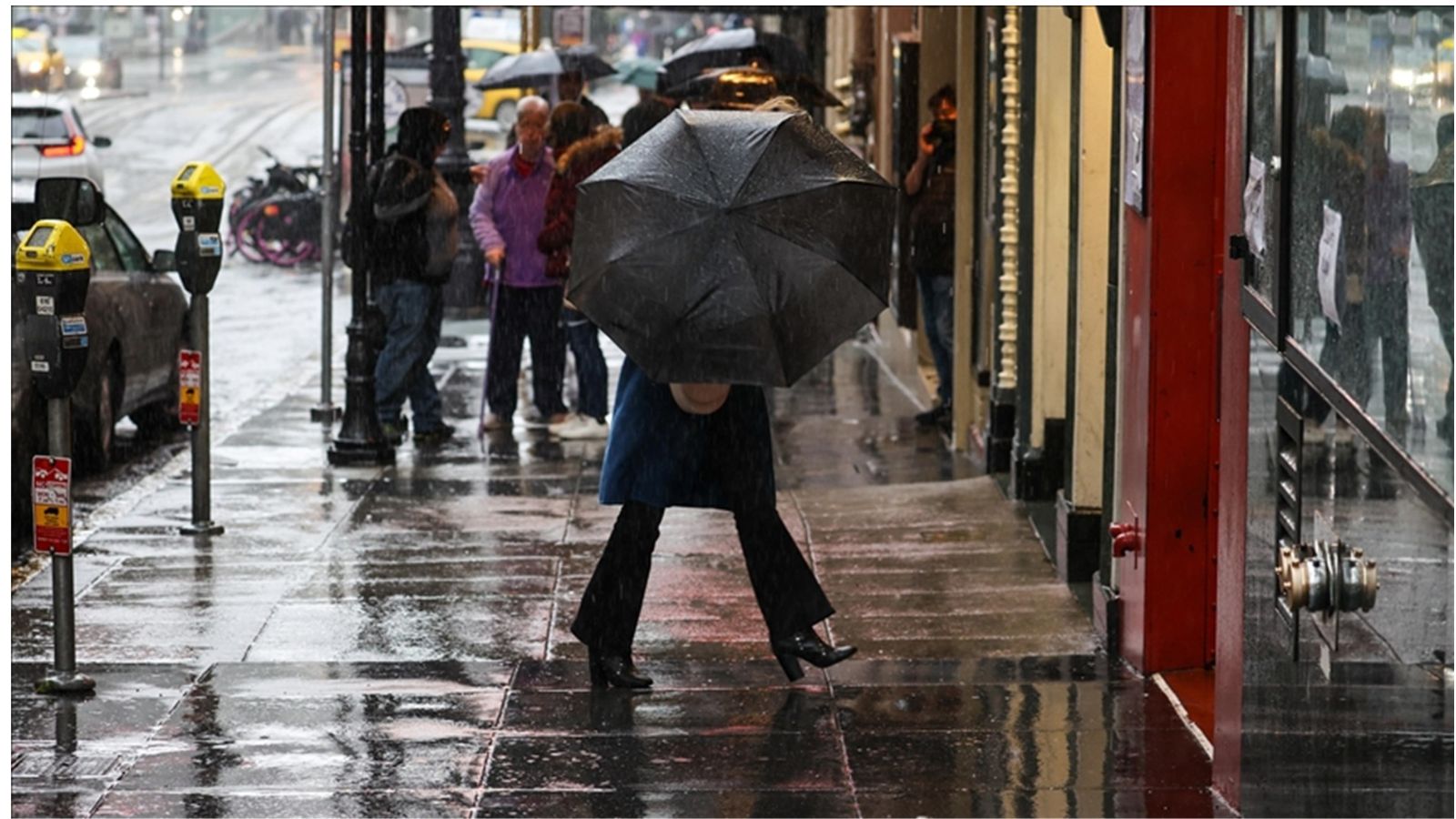
New Zealand’s transport and utility infrastructure is highly exposed to seasonal wind and rainfall events, particularly during summer systems affecting the North Island. Northerly and northwesterly storm patterns have historically resulted in localized flooding, landslips and power disruptions, especially along key state highway corridors and coastal zones. The current warning period aligns with peak holiday travel and freight movement, increasing sensitivity to disruption and compounding operational risks for businesses and essential services.
Executive Summary
- Event Date: 29-30 December
- Location: Auckland and parts of the North and lower North Island, New Zealand
- Risk Category: Environment
- Severity Level: 3 / 5
- Confidence Score: 78 %
MetService has issued active wind and rainfall warnings for 29–30 December, with the most impactful conditions expected over a 36–48 hour window beginning late 29 December. Forecast hazards include strong gusts and heavy, concentrated rainfall capable of triggering surface flooding, slips and localized infrastructure damage. While widespread catastrophic damage is not the dominant expectation, localized disruption to transport, utilities and business operations is likely, particularly in exposed coastal and steep inland regions.
Current Updates
Wind and rainfall warnings remain in effect for parts of the central and lower North Island, with the potential for localized escalation if conditions intensify. Authorities have issued travel advisories for exposed routes, and response crews are on standby for roading and power restoration. No major national incidents have been reported at the time of assessment, though deterioration is expected overnight into Monday.
Known Hotspots & Sensitive Zones
- High Impact Zones: Kapiti Coast, Whanganui coastal zones, Tongariro National Park, and flood-prone urban pockets in Whanganui and Palmerston North.
- Medium Impact Zones: State Highway 1 corridors through Kapiti–Manawatu and Desert Road sections, and State Highway 3 between Taranaki and Whanganui.
- Low Impact Zones: Sheltered inland urban centres outside identified catchments.
These areas have a recurring history of disruption during similar wind and rainfall events, particularly during peak runoff periods.
Impact on Transportation & Services
Heavy rainfall and strong winds are likely to disrupt road transport through surface flooding, debris and slips, with potential closures on SH1 and SH3. Public transport services, intercity buses and freight movements may face delays, while rail services on vulnerable sections of the North Island Main Trunk could experience temporary suspensions. Power and communications outages are possible where trees impact overhead lines, affecting business operations, access to sites and digital connectivity.
Recommended Action
- Organizations should activate incident management arrangements, secure premises and movable assets, and enable remote working where feasible.
- Logistics operators should reroute or reschedule freight through less exposed corridors and monitor MetService alerts closely.
- Coordination with local councils, Civil Defence and emergency services is advised.
- Longer-term, businesses should integrate severe weather scenarios into continuity planning and asset hardening strategies.
Multi-Dimensional Impact
Elevated river levels and slips may delay recovery beyond the warning window, affecting supply chains, tourism and rural community access. Seasonal travel demand increases the potential for secondary safety incidents.
Emergency Contacts
- MetService weather alerts: metservice.com/warnings/home
- New Zealand Transport Agency (NZTA) traffic updates: nzta.govt.nz/traffic-and-travel-information
- Emergency services helpline: 111
Situational Outlook
The most likely scenario involves localized flooding, wind damage and short-duration power outages over the next 24–72 hours, with gradual improvement through 30 December. A moderate escalation could see warnings upgraded and multiple transport corridors temporarily closed, extending recovery timelines. A low-probability severe scenario would involve persistent rainfall and wind causing major slips, prolonged road closures and widespread utility disruption.
Strategic Takeaway
The short-term risk trajectory remains elevated but manageable with preparedness and timely response. Businesses and policymakers should closely monitor weather updates, prioritize staff safety and protect critical infrastructure. Early-warning and situational awareness tools such as MitKat’s Datasurfr can support proactive decision-making and reduce exposure during rapidly evolving environmental events.
Stay ahead of operational risks with real-time alerts, scenario modeling, and expert advisories with datasurfr’s Predict. Start your 14-day free trial of Datasurfr’s Risk Intelligence Platform today.