Operational Context
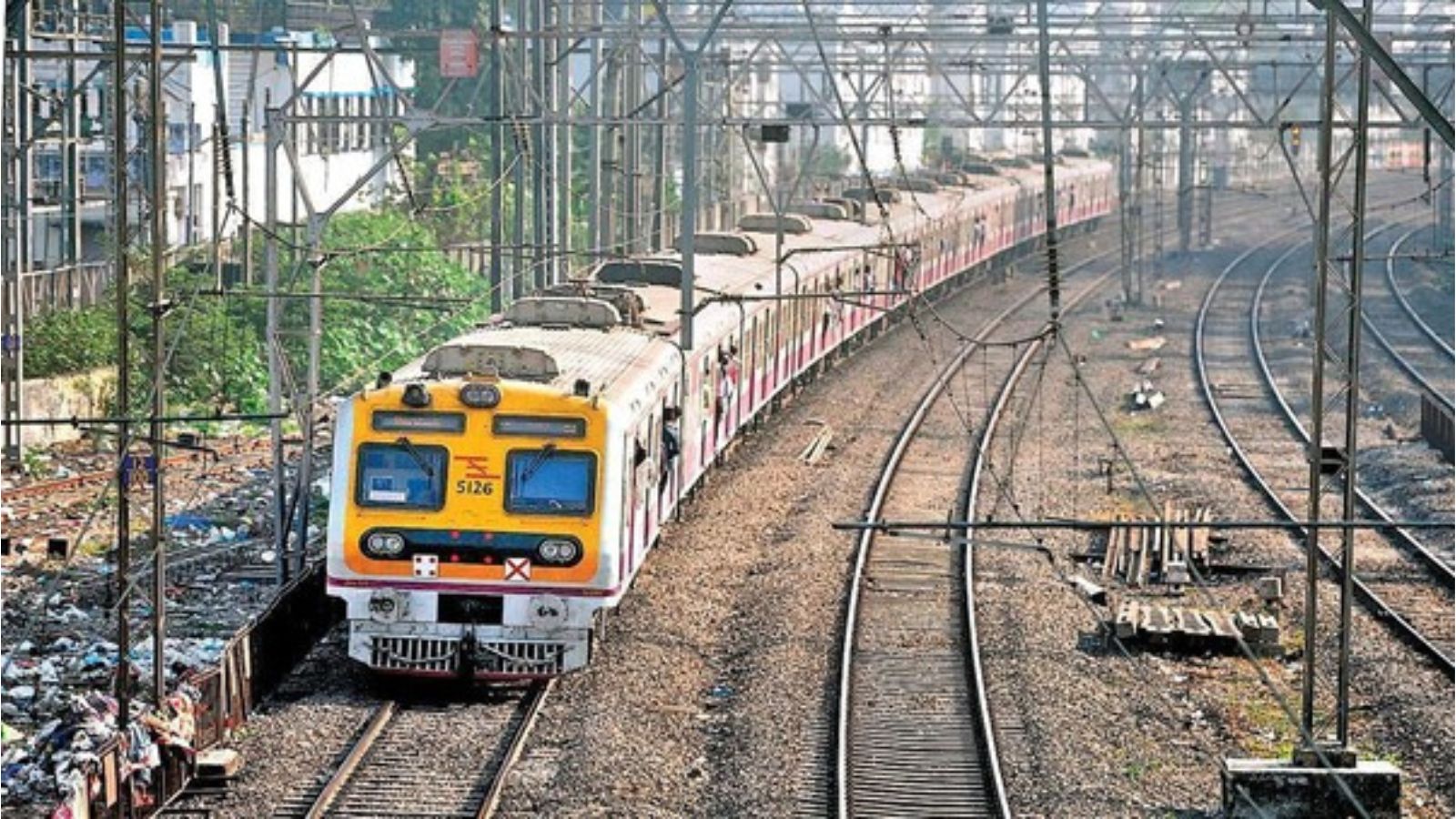
Mumbai’s suburban rail network is the primary mode of daily transport for millions of commuters and is highly sensitive to planned engineering blocks. The Borivali–Kandivali corridor is a critical junction on the Western line, serving dense residential, commercial and industrial catchments. Ongoing sixth-line construction has necessitated repeated mega-blocks, which historically generate cascading effects across road networks, bus services and workforce availability, particularly during year-end periods with elevated travel demand.
Executive Summary
- Event Date: 29 December
- Location: Mumbai, Maharashtra, India
- Risk Category: Travel Risks
- Severity Level: 4/ 5
- Confidence Score: 78 %
Western Railway has cancelled 98 suburban services on 29 December as part of planned sixth-line infrastructure works between Kandivali and Borivali. Based on recent patterns, similar disruptions are likely to recur intermittently over the next two to four weeks. The severity is assessed as high due to significant commuter dependence on this corridor, leading to crowding, extended journey times and operational challenges for businesses reliant on suburban rail connectivity.
Current Updates
Railway authorities have confirmed cancellations affecting regular and AC local services during the traffic block. Media reports indicate this is a continuation of a previously announced multi-day programme. Platform congestion and longer surface-transport travel times have already been observed, with replacement transport capacity remaining constrained during peak hours.
Known Hotspots & Sensitive Zones
- High-impact zones: Borivali and Kandivali stations, including foot overbridges, entry/exit gates, SV Road intersections and station-adjacent bus interchanges.
- Medium-impact areas: Goregaon and Malad stations, Western Express Highway feeder roads and Link Road corridors experiencing spillover congestion.
- Low-impact areas: Peripheral Western line stations outside the immediate block zone
The Borivali–Kandivali stretch has shown recurring disruption during recent months, making commuter fatigue and cumulative impact a notable risk factor.
Impact on Transportation & Services
The cancellation of suburban trains has a direct impact on rail mobility, forcing commuters onto limited replacement buses, taxis and road networks. This results in congestion on SV Road and Western Express Highway feeder routes, increased travel times and pressure on last-mile connectivity. Businesses face delayed staff arrivals, absenteeism and reduced service capacity, while logistics and customer-facing operations experience short-term delays.
Recommended Action
- Organizations should activate transport continuity plans, including staggered shifts, remote working options and pre-arranged shuttle or cab services for critical staff.
- Logistics schedules should be adjusted with buffer times, and customers informed proactively of potential delays.
- Coordination with local traffic police and continuous monitoring of railway advisories is recommended.
- For longer-term resilience, firms should incorporate recurring rail block scenarios into business continuity planning.
Multi-Dimensional Impact
The disruption coincides with increased year-end travel and New Year-related movements, amplifying crowding and surface-transport demand. Concurrent civic events or protests could further strain mobility and emergency response capacity in affected suburbs.
Emergency Contacts
- Western Railway control and helpline: 139
- Mumbai Traffic Police advisories: @MTPHereToHelp (X)
- Brihanmumbai Municipal Corporation (BMC): 1916
- Emergency Numbers (Police/Ambulance/Fire): 100/108/101
Situational Outlook
The most likely scenario is the continuation of planned cancellations with manageable but significant commuter disruption over the next several days, marked by crowding and longer travel times. A moderate escalation could occur if additional unplanned blocks or technical issues arise, increasing absenteeism and operational delays. A low-probability severe scenario would involve a construction-related incident or overlapping public events causing prolonged service suspension and heightened safety risks.
Strategic Takeaway
The risk trajectory remains elevated in the short term due to the rolling nature of infrastructure works on the Western line. Businesses and policymakers should prioritize adaptive workforce strategies, clear communication and transport alternatives. Leveraging early-warning and transport-disruption monitoring tools such as MitKat’s Datasurfr can support proactive decision-making and reduce operational uncertainty during sustained rail disruption
Stay ahead of operational risks with real-time alerts, scenario modeling, and expert advisories with datasurfr’s Predict. Start your 14-day free trial of Datasurfr’s Risk Intelligence Platform today.