Operational Context
Northern Norway’s operational environment during winter is highly sensitive to Atlantic low-pressure systems interacting with Arctic air masses. Coastal exposure, mountainous terrain and reliance on limited transport corridors increase vulnerability to wind, snow accumulation and freezing spray. Seasonal recurrence of such systems regularly disrupts logistics, fisheries, energy assets and regional mobility, requiring pre-emptive coordination between authorities, businesses and emergency services.
Executive Summary
- Event Date: 26 December
- Location: Northern Norway, Norway
- Risk Category: Environment
- Severity Level: 3/ 5
- Confidence Score: 75 %
Forecasts indicate a 48–72-hour period of disruptive winter weather from 26–28 December, driven by an Atlantic low-pressure system. Expected impacts include gale to strong-gale winds along exposed coasts, heavy snow at higher elevations, wet snow at lower levels and localized coastal surge. Historical patterns suggest moderate but operationally significant disruption to roads, ferries and regional airports, particularly between 26–27 December.
Current Updates
Weather warnings remain active across Northern Norway, with authorities advising caution for coastal travel, maritime operations and mountain routes. Transport operators have issued pre-emptive advisories, while regional emergency services are on heightened readiness. Ferry schedules, airport operations and exposed outdoor activities remain under continuous review.
Known Hotspots & Sensitive Zones
- High-impact zones: Exposed coastal zones and transport corridors including E6 (Troms og Finnmark), E10 (Lofoten) and E69 (Honningsvåg–Nordkapp), coastal ferry routes, and small harbours.
- Medium-impact areas: Tromsø, Harstad, Narvik and Bodø urban areas with wind exposure and snow accumulation risks.
- Low-impact areas: Sheltered inland municipalities with limited coastal exposure.
Winter storms of this nature recur annually, with heightened severity during periods of strong Atlantic-Arctic interaction.
Impact on Transportation & Services
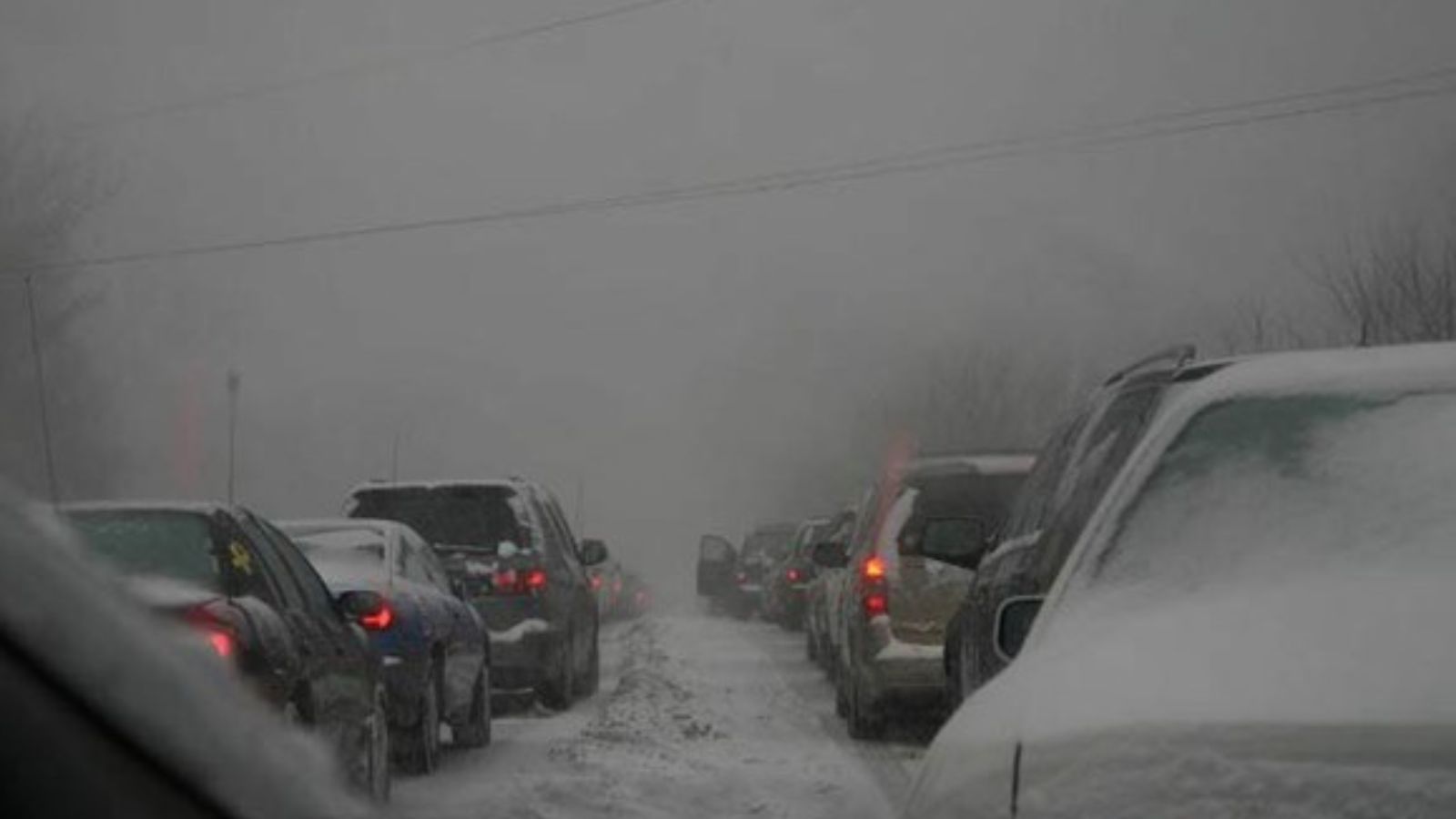
Road closures and convoy restrictions are likely on major E-roads due to wind, drifting snow and poor visibility. Ferry services, including coastal and inter-island routes, may face cancellations, while regional airports such as Tromsø, Evenes and Bodø could experience delays. These disruptions may temporarily restrict workforce mobility, supply chains and access to critical coastal assets.
Recommended Action
- Organizations should restrict non-essential travel, secure exposed assets and activate business continuity protocols.
- Staff communication plans should be tested, remote work enabled where feasible and critical infrastructure protected against wind and snow loading.
- Coordination with municipal authorities, emergency services and transport operators is advised to ensure timely situational awareness and response.
Multi-Dimensional Impact
Elevated risk to fisheries, aquaculture installations and tourism operations due to port inaccessibility and weather-related cancellations.
Emergency Contacts
- Norwegian Meteorological Institute: met.no/en
- Emergency Number: 112
Situational Outlook
The most likely scenario, with a probability of sixty percent, involves gale-force coastal winds and heavy snow causing localized road restrictions, ferry adjustments and short-duration airport delays, with manageable business disruption. A moderate escalation, assessed at thirty percent, could see stronger gusts and snowfall closing key corridors such as E6, E10 and E69 for extended periods, triggering ferry suspensions and localized power outages. A severe escalation scenario, at ten percent probability, would involve storm-force winds and significant coastal surge leading to multi-day transport shutdowns, infrastructure damage and broader emergency response measures across multiple coastal communities.
Strategic Takeaway
The risk trajectory indicates moderate but impactful winter weather through 28 December, with transport and coastal operations as primary pressure points. Businesses and policymakers should prioritize early warnings, staff safety and asset protection. Continuous monitoring and preparedness platforms such as MitKat’s Datasurfr can materially improve decision-making and operational resilience during volatile Arctic weather events.
Stay ahead of operational risks with real-time alerts, scenario modeling, and expert advisories with datasurfr’s Predict. Start your 14-day free trial of Datasurfr’s Risk Intelligence Platform today.