Operational Context
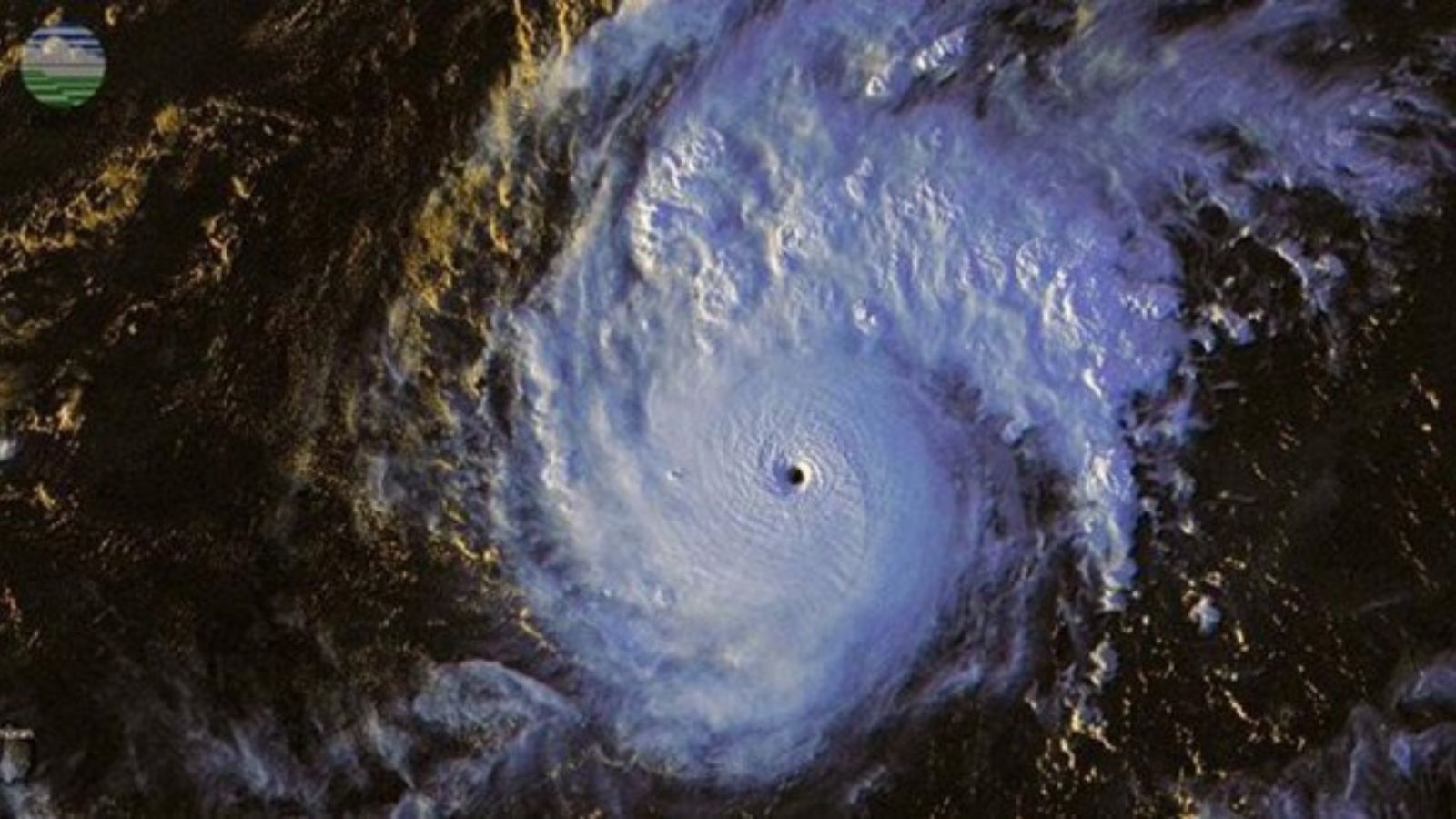
Western and southern Sumatra experience recurrent heavy-rainfall episodes during the monsoon season when offshore cyclonic systems interact with moist equatorial flow. Systems such as 91S frequently produce intense, spatially uneven precipitation, particularly along coastal plains and hilly interior districts where deforestation and high sediment loads increase runoff. Past cyclonic seeds (97S and 98S) demonstrated that even moderate-intensity systems positioned offshore can rapidly elevate river levels and trigger landslides within 24 to 72 hours of peak convection. Infrastructure across Bengkulu, Lampung and West Sumatra includes vulnerable road segments, aging culverts and bridge structures that historically experience overtopping during prolonged rainfall. Seasonal landslide clusters are also common in central Sumatra districts, driven by soil saturation and steep terrain. These patterns inform the current assessment that Cyclone 91S may generate widespread local disruption, particularly where coastal surge coincides with heavy inland runoff.
Executive Summary
- Event Date: 11-20 December
- Location: Lampung, Bengkulu, West Sumatra, North Sumatra, Aceh, Sumatra, West Java, Indonesia
- Risk Category: Natural Disasters
- Severity Level: 3 / 5
- Confidence Score: 75 %
Cyclone 91S, positioned offshore western Sumatra, is forecast to generate heavy rainfall, flash-flood risk and unstable slopes across multiple provinces between 11–20 December, with residual high river levels through 21–22 December. Moderate-to-high localised impacts are expected, particularly in coastal and upland zones.
Known Hotspots & Sensitive Zones
- High Impact Zones: Bengkulu coastal plains, Lampung (Bakauheni, Kalianda), riverine zones along the Musi and Air Hitam tributaries, upland districts with known landslide history.
- Medium Impact Zones: Low-lying settlements in West Sumatra and central Sumatra interior roads.
- Low Impact Zones: Higher-elevation communities with robust drainage.
Seasonally, these regions face recurring flood-and-landslide cycles during heavy monsoonal bursts.
Impact on Transportation & Services
Road closures are likely along segments of Jalan Lintas Barat Sumatra and portions of Trans-Sumatra roads near Mukomuko and Lubuklinggau due to submergence or landslides. Ferry services at Bakauheni may face suspension during high waves. Bus movements along key inter-provincial corridors may experience delays or rerouting. Airports in Bengkulu and Lampung could see schedule irregularities or diversions during intense squalls. Business operations dependent on coastal or field-based activities may face temporary stand-downs, while supply chains could experience delays where primary logistics routes are blocked. Telecom services may be intermittent in flooded pockets.
Recommended Action
- Activate the Incident Response Team with four-hourly roll-calls and maintain synchronized contact lists across all affected provinces.
- Prioritise staff safety by shifting non-essential employees to remote work or evacuation if ordered by local authorities, and ensure emergency kits and transport support (including 4×4 vehicles and fuel reserves) are available.
- Protect physical assets by moving equipment and inventory above projected flood levels, waterproofing exposed infrastructure, and performing controlled shutdowns of non-essential electrical systems.
- Maintain supply-chain continuity by rerouting shipments away from flood-prone roads, using alternative suppliers in Java or interior Sumatra and updating customer-facing ETA dashboards daily.
- Communications teams should issue regular situation briefings, maintain liaison with BMKG and BPBD authorities, and document all damages for insurance compliance.
Multi-Dimensional Impact
No unrelated concurrent events are reported; therefore, no significant cross-event amplification is anticipated. Impacts will be driven primarily by rainfall intensity, ground saturation and storm-related surges.
Emergency Contacts
• BMKG Indonesia: bmkg.go.id/
• BNPB/BPBD (Disaster response and evacuation coordination): bnpb.go.id/
• Emergency services: 112
Situational Outlook
Cyclone 91S is most likely (sixty percent probability) to remain offshore, producing heavy but uneven rainfall that causes localized flash flooding, short-term road closures and temporary ferry suspensions without major infrastructure collapse; a moderate escalation scenario (thirty percent) could arise if the system tracks closer to the Sumatran coast, leading to prolonged rainfall over multiple basins, river overtopping, landslide clusters and significant logistics disruption; the severe escalation scenario (ten percent) involves the cyclone stalling or intensifying near the coast, triggering extreme rainfall totals, widespread flooding, multiday landslide events and major damage to transport corridors, utilities and community infrastructure, potentially requiring large-scale evacuations and extended recovery periods.
Strategic Takeaway
Cyclone-linked rainfall will remain a recurring hazard for western Sumatra during the monsoon season, requiring sustained preparedness, drainage maintenance and staff-safety planning. Businesses should anticipate worsening ground saturation and develop alternate routing and remote-work strategies. Early-warning platforms, including MitKat’s Datasurfr, can support dynamic risk tracking and enhance decision-making for operations in flood-prone areas.Stay ahead of operational risks with real-time alerts, scenario modeling, and expert advisories with datasurfr’s Predict. Start your 14-day free trial of Datasurfr’s Risk Intelligence Platform today.