Operational Context
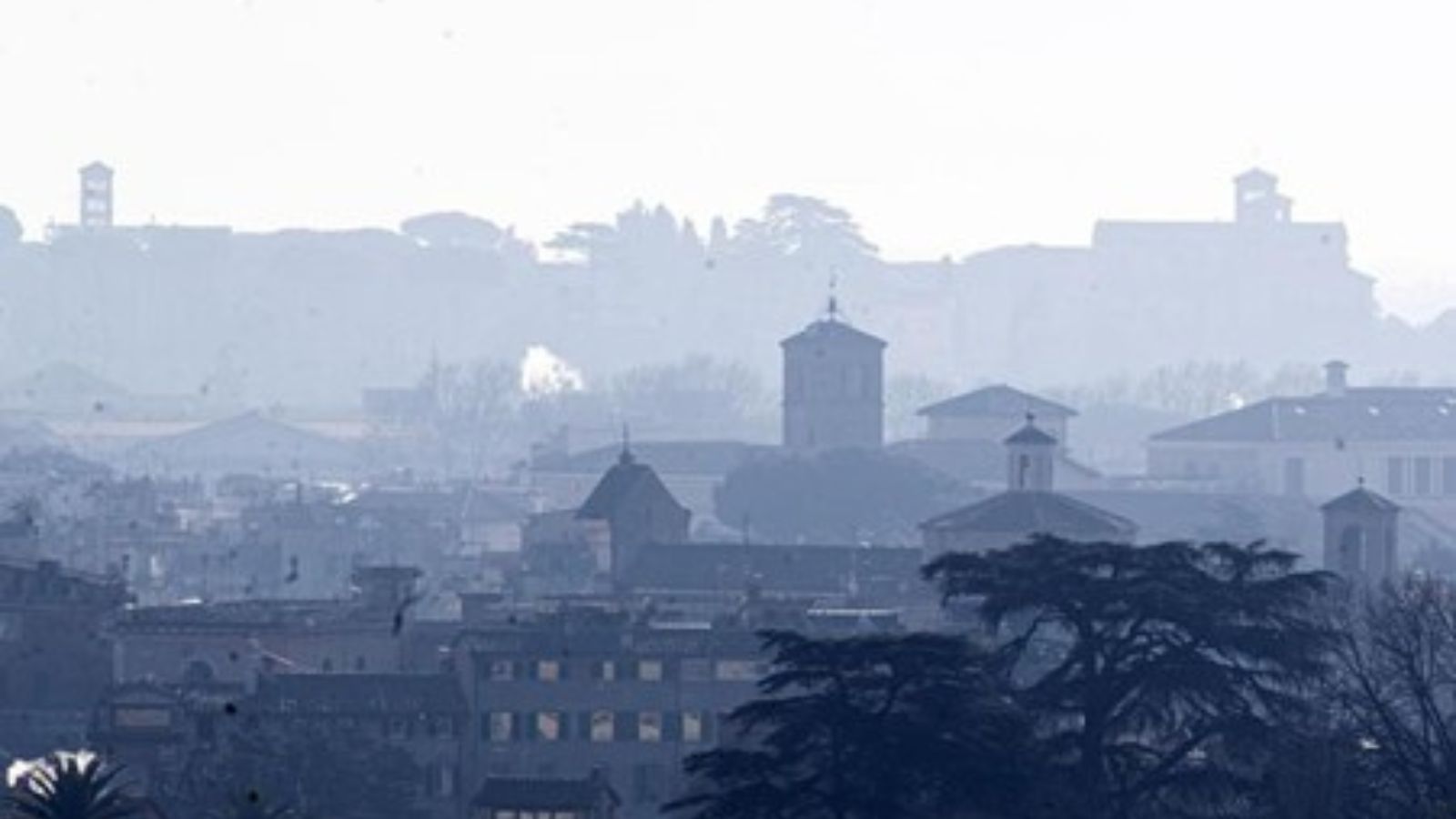
Parma and the broader Emilia-Romagna basin frequently face winter smog episodes driven by stagnant meteorological conditions, thermal inversion, limited wind and increased emissions from domestic heating and road traffic. These conditions trap pollutants near the surface, resulting in rapid rises in particulate concentrations. Historical records show that ARPAE red alerts (“bollino rosso”) typically last 48 to 72 hours, with persistent impacts where inversion layers remain unbroken. Past events have triggered short-term vehicle restrictions, adjustments to public transport schedules and behavioural advisories for schools, hospitals and elderly-care facilities. The region’s dense mobility grid, reliance on the A1 motorway and recurring night works further amplify the operational strain during such alerts. As observed in previous winters, smog episodes can coincide with labour strikes or weather changes, compounding congestion, increasing exposure to pollutants and elevating the risk of multi-vehicle incidents when visibility drops. Overall, the current measures align with well-established seasonal patterns of winter air-quality deterioration in Parma.
Executive Summary
- Event Date: 11-12 December
- Location: Parma, Italy
- Risk Category: Travel Risks
- Severity Level: 3/ 5
- Confidence Score: 75 %
Emergency air-quality measures will apply on 11–12 December due to high particulate concentrations and limited atmospheric ventilation. The expected impact includes temporary traffic restrictions, health advisories for vulnerable groups and potential congestion on key corridors during ongoing night construction works. The alert’s duration is likely 48 to 72 hours.
Known Hotspots & Sensitive Zones
- High Impact Zones: Via Emilia, Via Cuneo near Istituto Toscanini, central ZTL zones, care homes, hospitals and schools.
- Medium Impact Zones: Parma railway station precinct, areas near A1 entry/exit points, central commercial districts.
- Low Impact Zones: Peripheral zones with lower traffic density.
Seasonal recurrence is common due to winter inversion and emission profiles.
Impact on Transportation & Services
Temporary vehicle restrictions, reduced speed limits and ZTL controls may slow traffic along Via Emilia and around the A1 casello. Scheduled night closures on the A1 and works near the station could intensify congestion during the alert window. Local bus routes may adjust due to market-area diversions. Rail reliability may be affected indirectly through staffing issues linked to the 12 December strike. Business operations may experience reduced footfall, delays to last-mile deliveries and a shift toward remote work due to health precautions.
Recommended Action
Organisations should activate their Parma Air-Quality Response Plan and immediately transition non-essential staff to remote work. On-site personnel should be provided with FFP2 masks, shorter shifts and controlled indoor air quality through recirculation settings and HEPA filtration. Logistics teams should reschedule outdoor deliveries, stage inventory at facilities outside Parma and instruct drivers to use in-cab recirculated air. Facilities teams should disable fresh-air intakes, increase filtration efficiency and secure rooftop vents. Corporate communications should issue advisories to clients and staff, publish service-impact updates and align messaging with ARPAE bulletins. EHS and operations teams should monitor hourly PM levels and maintain regulatory compliance logs, followed by post-event filter replacement and a lessons-learned review.
Multi-Dimensional Impact
Smog measures may magnify disruption during the 12 December national strike, scheduled night works on the A1 and planned demonstrations such as SOS Parma protests. These overlapping events could intensify congestion, particularly around Via Emilia, the railway station and A1 access points, and elevate public-health strain due to increased pollutant exposure.
Emergency Contacts
• ARPAE Emilia-Romagna (Air-quality bulletins): arpae.it/it
• Comune di Parma (Local mobility and traffic ordinances): comune.parma.it/
• Emergency services: 112
• A1 Motorway Operator (Autostrade per l’Italia) (Closure and works updates): autostrade.it/en/home
Situational Outlook
The most likely scenario (sixty-five percent) is that the red alert remains active for 48 to 72 hours, with moderate congestion and limited outdoor-activity advisories but no major accidents or shutdowns. A moderate escalation scenario (twenty-five percent) could occur if inversions persist longer than expected, extending smog conditions, coinciding with the 12 December strike and intensifying congestion on Via Emilia and the A1, driving measurable delays and health-related absenteeism. A severe escalation scenario (ten percent) would involve prolonged smog compounded by dense fog or an unplanned protest, resulting in a major multi-vehicle incident on the A1 or gridlock at key junctions, causing significant operational disruption, elevated medical demand and potential temporary closure of schools or high-risk facilities
Strategic Takeaway
Air-quality impacts in Parma will remain a recurrent winter challenge, requiring proactive exposure management, mobility planning and robust indoor-air protocols. Organisations should prioritise vulnerable groups, maintain flexible work arrangements and leverage predictive-intelligence platforms such as MitKat’s Datasurfr to monitor smog trajectories, anticipate compounding events and support continuity decisions. Stay ahead of operational risks with real-time alerts, scenario modeling, and expert advisories with datasurfr’s Predict. Start your 14-day free trial of Datasurfr’s Risk Intelligence Platform today.