Operational Context
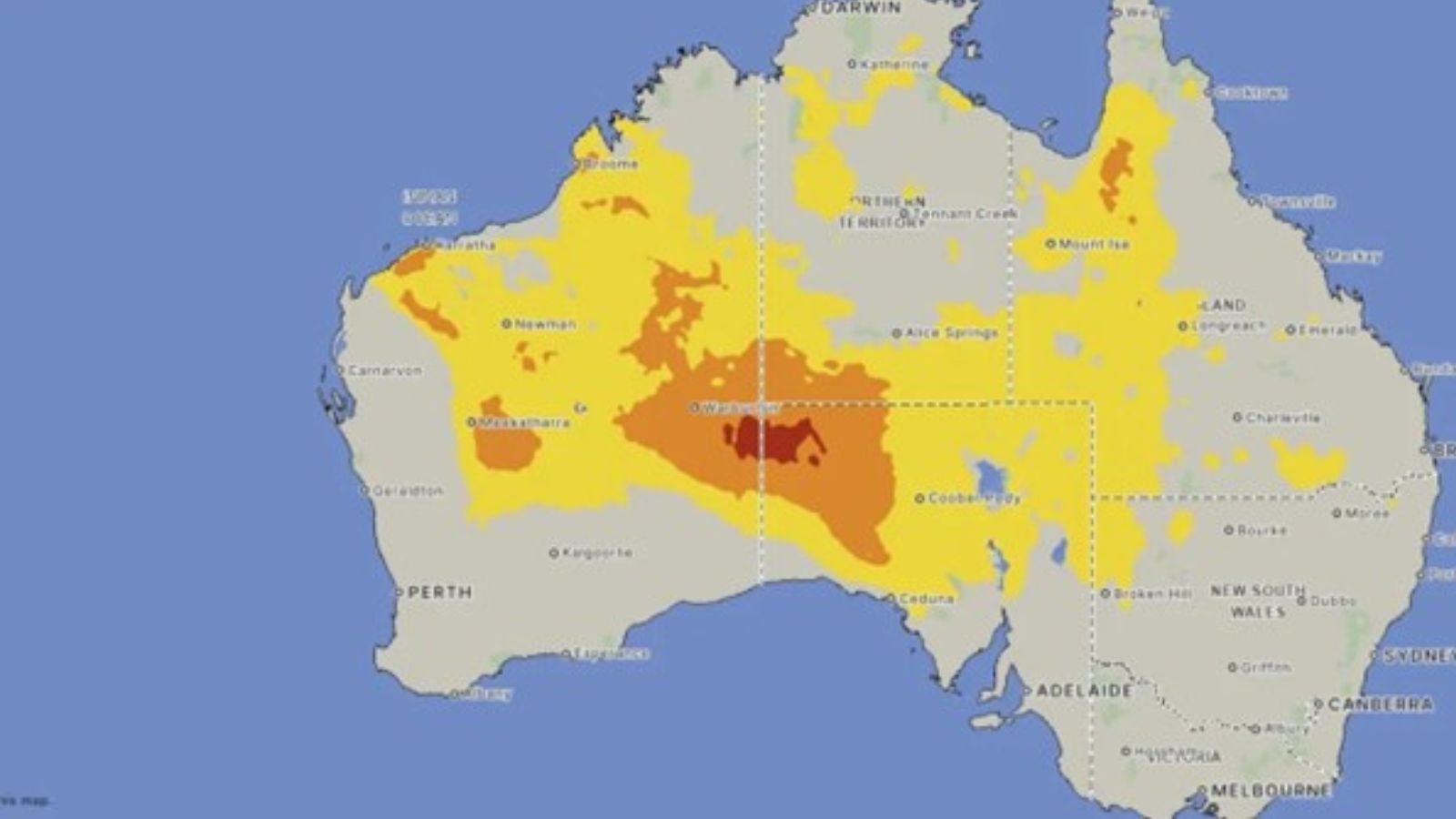
Australia experiences recurring summer heatwaves driven by high-pressure ridges, strong insolation and limited overnight cooling. These events often persist for several days and contribute to heat-related illness, energy system strain, road deterioration and increased fire danger in dry hinterland regions. Historically, heatwaves in Queensland, South Australia and New South Wales have resulted in reduced productivity in outdoor industries, pressure on aged-care facilities and demand surges on power grids. Recurrent BoM warnings in recent months illustrate early-summer vulnerability, with extreme heat concentrated in inland Queensland and Northern Territory communities that already face limited cooling infrastructure. The current warning reflects typical seasonal patterns but with heightened severity due to prolonged high daytime temperatures, elevated minimums overnight and the risk of compounding impacts across communities and essential services.
Executive Summary
- Event Date: 10-12 December 2025
- Location: Southern Australia, Queensland, Northern Territory, South Australia, Western Australia
- Risk Category: Environment
- Severity Level: 4 / 5
- Confidence Score: 78 %
A heatwave warning remains in effect through Friday, 12 December, with peak temperatures expected for three to six days in warned regions. Risks include heat-related illness, increased electricity demand, road surface degradation and elevated bushfire risk. Businesses with outdoor operations, cold-chain logistics and vulnerable workforce groups will experience the greatest impact.
Known Hotspots & Sensitive Zones
High Impact: Inland Queensland towns, Northern Territory remote communities, aged-care clusters in Brisbane metro, construction corridors along Gold Coast and Sunshine Coast.
Medium Impact: Southern Australia inland districts, regional hospitals, logistics hubs along major freight corridors.
Low Impact: Coastal areas with stronger sea-breeze cooling.
Heatwave recurrence is common during early summer, with inland regions repeatedly experiencing extreme heat due to limited nocturnal relief.
Impact on Transportation & Services
Extreme heat may cause softening of road surfaces and targeted maintenance on key routes such as Bruce Highway and the Pacific Motorway, leading to delays. Rail networks may implement speed restrictions, while some aviation operations could face tarmac-related constraints. Cold-chain logistics face elevated spoilage risk during peak heat hours. Electricity demand is rising, increasing the likelihood of localized outages. Healthcare services may experience increased emergency presentations due to heat stress.
Recommended Action
Immediate Measures:
• Implement mandatory hydration and cool-down protocols for all outdoor or non-air-conditioned staff.
• Adjust rosters to avoid peak-heat hours and enable flexible or remote work options.
• Secure temperature-sensitive inventory and verify generator readiness for critical assets.
Strategic Measures:
• Pre-cool facilities overnight and adopt staggered operational cycles to manage load on HVAC systems.
• Coordinate with state health advisories from BoM and local health units.
• Prepare contingency routing for logistics, favouring early-morning or evening delivery windows.
• Update clients and suppliers on revised ETAs and service adjustments.
Multidimensional Impact
Elevated heat may influence water usage patterns, strain community cooling centres and intensify bushfire conditions in dry hinterlands. Older suburbs with ageing power infrastructure may see higher risk of transformer faults, creating secondary disruption for businesses and households.
Emergency Contacts
- Bureau of Meteorology (BoM): bom.gov.au/
- State Emergency Service (SES): 132 500
- HealthDirect Australia: 1800 022 222
Situational Outlook
Heatwave is expected to persist for three to five days, causing minor service disruption, stable electricity network, moderate absenteeism. A moderate escalation could mean heat intensification or extension of warning to five to eight days, which could lead to localized blackouts, operational delays and temporary outdoor work stoppages. A major escalation is rare but could mean a prolonged extreme heat with minimal overnight cooling; multi-hour outages, widespread operational disruption and increased bushfire ignition.
Strategic Takeaway
The heatwave presents significant short-term risk to people, infrastructure and business operations, especially in inland and urban heat-island regions. Organisations should maintain heightened vigilance, prioritise workforce safety and incorporate early-warning solutions such as MitKat’s Datasurfr to strengthen preparedness and continuity planning during extreme heat conditions. Stay ahead of operational risks with real-time alerts, scenario modeling, and expert advisories with datasurfr’s Predict. Start your 14-day free trial of Datasurfr’s Risk Intelligence Platform today.