
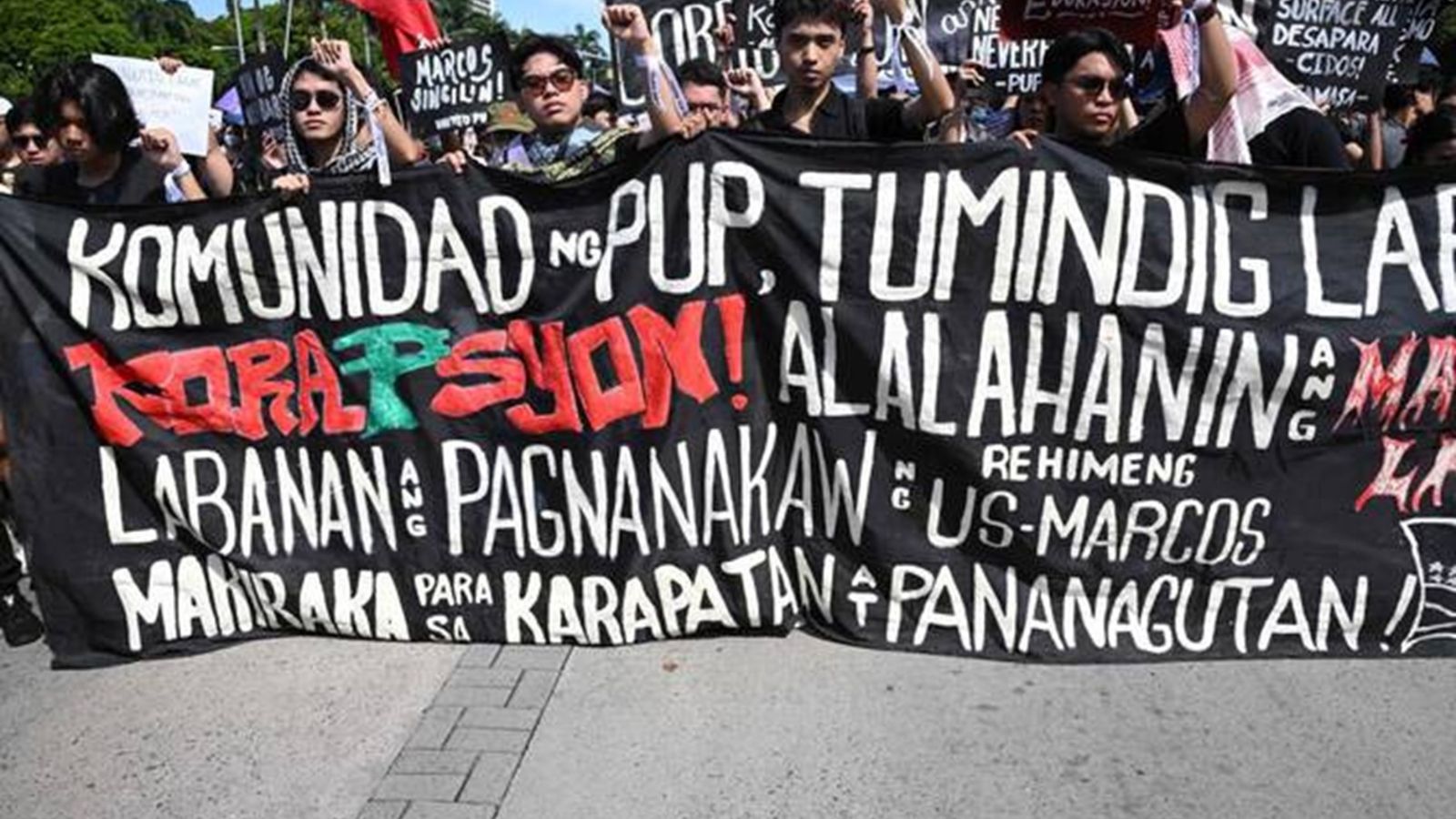
Operational Context
Mass protest actions in the Philippines follow a consistent historical pattern: large but largely peaceful gatherings organised by civil society groups, student unions and sectoral coalitions. Significant events, including national protest days in September and earlier mobilisations, have produced temporary road closures, controlled police cordons and intermittent scuffles but rarely prolonged unrest. The Philippine National Police (PNP) typically deploy sizeable personnel, ensuring containment capacity at key flashpoints such as Mendiola Bridge, Rizal Park, EDSA and Commonwealth Avenue. Transport authorities frequently implement ad hoc reroutes, and central business districts experience reduced foot traffic, workforce absenteeism and logistics delays. Demonstrations usually peak between morning and late afternoon, with spill-over impacts lasting up to 48 hours.
Executive Summary
- Event Date: 30 November 2025
- Location: Quezon City, Metro Manila, Philippines
- Risk Category: Civil Disturbance
- Severity Level: 3 / 5
- Confidence Score: 85 %
Nationwide anti-corruption rallies are expected across major cities, with the highest risk concentrated in Metro Manila. The protests are forecast to be peaceful but disruptive, with moderate safety, mobility and operational impacts over a one to two-day window.
Current Updates
The PNP has announced deployment of up to 15,000 officers and coordinated with local governments on traffic management and rally-point designation. Organisers have confirmed marches and stationary gatherings across major public spaces. No pre-event major violence has been reported, though recent provincial demonstrations indicate strong mobilisation capacity.
Known Hotspots & Sensitive Zones
High-Impact Zones: Mendiola Bridge, Rizal Park, EDSA segments, Commonwealth Avenue, Taft Avenue and capitol plazas in Benguet and Pangasinan.
Medium-Impact Zones: University belts, Cubao transport hub, Intramuros perimeter.
Low-Impact Zones: Peripheral barangays away from protest corridors
Previous nationwide anti-corruption protests have consistently centred on government precincts and major road arteries.
Impact on Transportation & Services
Major routes such as EDSA, Commonwealth Avenue, Roxas Boulevard and Taft Avenue are likely to face closures or slowdowns. Bus and jeepney lines may be rerouted, while MRT/LRT stations near rally zones could limit access. Businesses may encounter reduced staffing, delays in last-mile deliveries and limited customer access. Telecom networks may experience localised congestion in dense rally zones.
Recommended Action
- Conduct site-by-site risk assessments and implement access control, physical hardening and asset protection 48 hours before the event.
- Freeze non-essential travel, activate work-from-home arrangements and provide transport allowances or escorted movement for essential staff.
- Establish direct coordination channels with PNP precincts and barangay officials; deploy mobile security teams and enhance CCTV monitoring.
- Pre-identify alternate logistics routes, build a five-day buffer inventory and pre-notify customers and suppliers regarding delivery adjustments.
- Deploy a communication playbook with templated advisories, real-time updates and a multi-tier escalation matrix
Multi-Dimensional Impact
Localised incidents such as the boom-truck obstruction in Dagupan may face prolonged clearance if provincial rallies intensify traffic, potentially extending local congestion.
Emergency Contacts
- National Emergency Hotline: 911
- Philippine National Police: 117
- MMDA: mmda.gov.ph/
Situational Outlook
Baseline (sixty-five percent) suggests peaceful rallies with punctual dispersals and manageable congestion. A moderate escalation (twenty-five percent) could mean limited clashes, extended blockages and crowd-control operations, while a severe escalation (ten percent) could result in wider unrest, injuries and prolonged shutdown of key corridors.
Strategic Takeaway
The protests present a predictable short-term disruption scenario with moderate operational risk. Organisations should prioritise workforce safety, alternate routing and proactive communication. Early-warning systems and tools such as MitKat’s Datasurfr enhance situational awareness and support timely decision-making during civil disturbance events. Stay ahead of operational risks with real-time alerts, scenario modeling, and expert advisories with datasurfr’s Predict. Start your 14-day free trial of Datasurfr’s Risk Intelligence Platform today.
Tags: Anti corruption protest PhilippinesAnti corruption rally PhilippinesList of protest in the PhilippinesPhilippines protests 2025
Share on WhatsApp