Operational Context
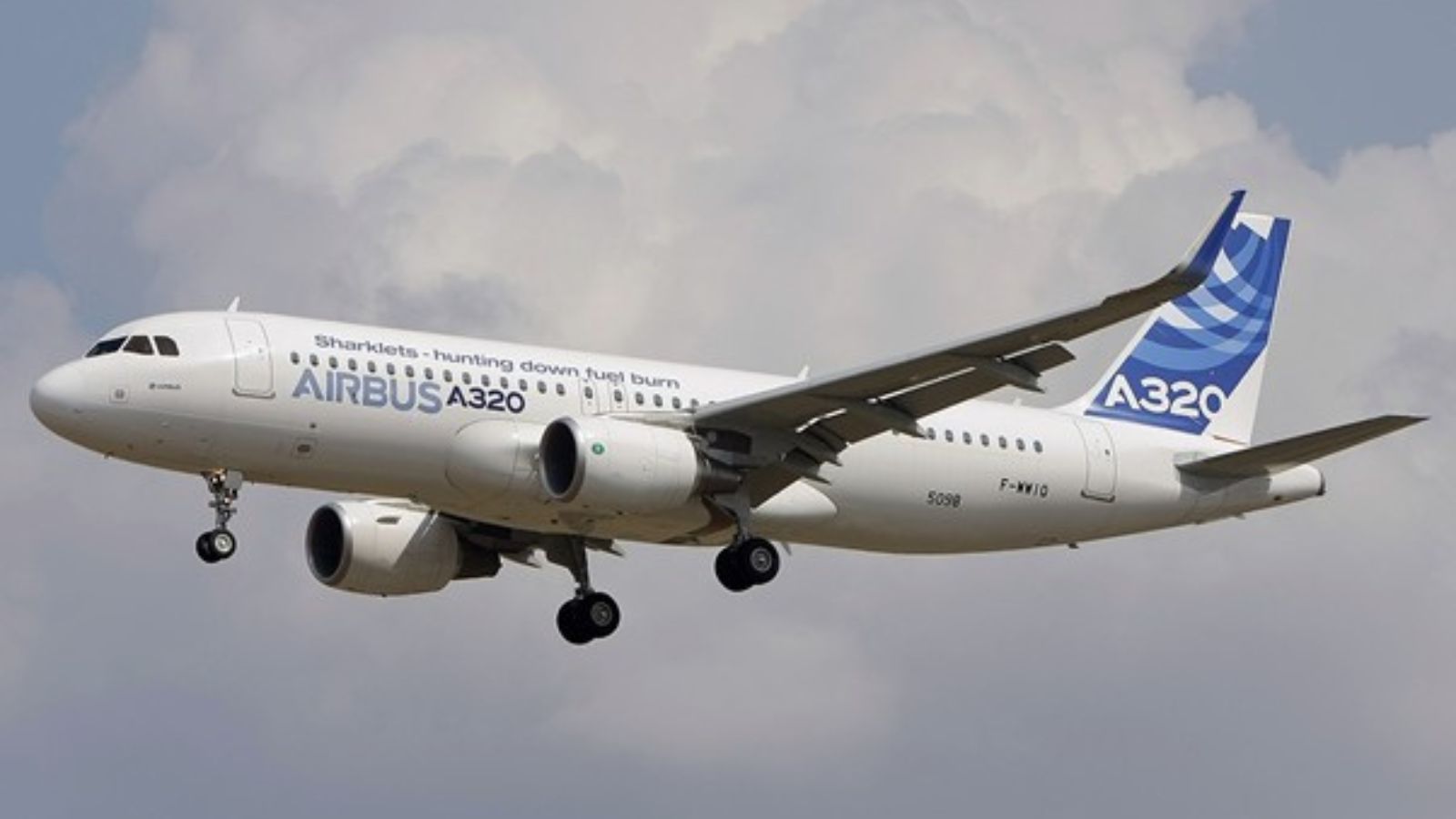
The Airbus A320 family represents one of the world’s most widely deployed narrowbody fleets, underpinning short- and medium-haul connectivity in Europe, Asia-Pacific, North America and the Middle East. Historically, large-scale aviation recalls such as the Boeing 737 MAX grounding and regional airworthiness inspections have produced cascading operational impacts due to aircraft shortages, maintenance bottlenecks, crew-rostering disruptions and rebooking surges. Similar past events demonstrate a typical disruption window of 48 to 168 hours for initial inspections, followed by two to six weeks of residual schedule rebalancing as operators recover utilisation and reposition aircraft. The current recall is driven by a confirmed flight-control incident, heightening the need for immediate technical checks before return-to-service. Recovery duration hinges on availability of authorised technicians, spare components and regulator-driven inspection protocols.
Executive Summary
- Event Date: 29 November 2025
- Location: Japan, United States, United Kingdom, Brazil, New Zealand, India, Belgium, France, Italy, Netherlands, Switzerland, Germany, Saudi Arabia, Colombia
- Risk Category: Travel Risks
- Severity Level: 4 / 5
- Confidence Score: 72 %
Airbus issued a mandatory recall of A320 family aircraft, prompting immediate grounding and inspection. Substantial global disruption is likely across short- and medium-haul networks over the next two to seven days, with extended operational recovery expected for two to six weeks. Disruption is primarily operational rather than safety-driven.
Current Updates
Major airlines are undertaking inspections, cancelling flights and adjusting schedules. Regulators are harmonising inspection guidelines. Heavy disruption is visible in high-frequency zones such as intra-EU, Southeast Asia and North American regional networks. No casualties linked to the incident have been reported.
Known Hotspots & Sensitive Zones
High Impact: Paris Charles de Gaulle, London Heathrow, Toulouse-Blagnac — historically prone to congestion during mass groundings.
Medium Impact: Major continental hubs in the United States, India and Europe operating dense A320 rotations.
Low Impact: Secondary airports with lower A320 dependency.
Seasonal patterns show that winter congestion amplifies disruption severity during recall events.
Impact on Transportation & Services
Air networks will experience widespread cancellations, delays and reduced frequencies. Road congestion around major airports may rise due to passenger re-routing. Business operations relying on time-sensitive travel and cargo movement will encounter delays, rebooking pressure and customer-service overload. IT systems may face strain due to high re-accommodation volumes, though no core digital infrastructure risks are reported.
Recommended Action
- Activate a corporate travel disruption plan, establish an incident commander and hold two-hourly cross-functional coordination calls.
- Suspend non-essential air travel for seven days and rebook essential travel on alternate operators or aircraft types.
- Reroute perishable cargo, secure contingency slots at alternate hubs and quarantine any equipment linked to suspect components.
- Deploy pre-approved customer communication templates and maintain regulator briefings to ensure compliance.
- Accelerate procurement of spare capacity, secure charter aircraft where feasible and update business continuity documentation for extended grounding scenarios.
Multidimensional Impact
Volcanic ash advisories in Japan could intensify disruption for carriers conducting parallel A320 inspections, reducing operational flexibility and magnifying passenger stranding risks.
Emergency Contacts
- Local aviation regulators (FAA / EASA / DGCA): faa.gov/ / easa.europa.eu/en / dgca.gov.in/
Situational Outlook
Baseline scenario indicated targeted repairs allow return-to-service within 48 to 168 hours, with two-week recovery. Moderate escalation could result in broader hardware issues extend grounding for two to four weeks, while a severe escalation could mean systemic defect that requires design fix or retrofit, producing multi-week or multi-month disruption.
Strategic Takeaway
The recall presents a high operational and mobility risk with global implications. Early corporate travel adjustments, logistics rerouting and structured incident management will be essential. Continued monitoring through aviation authorities and early-warning tools such as MitKat’s Datasurfr can enhance preparedness and reduce business impact during prolonged aviation disruption. Stay ahead of operational risks with real-time alerts, scenario modeling, and expert advisories with datasurfr’s Predict. Start your 14-day free trial of Datasurfr’s Risk Intelligence Platform today.