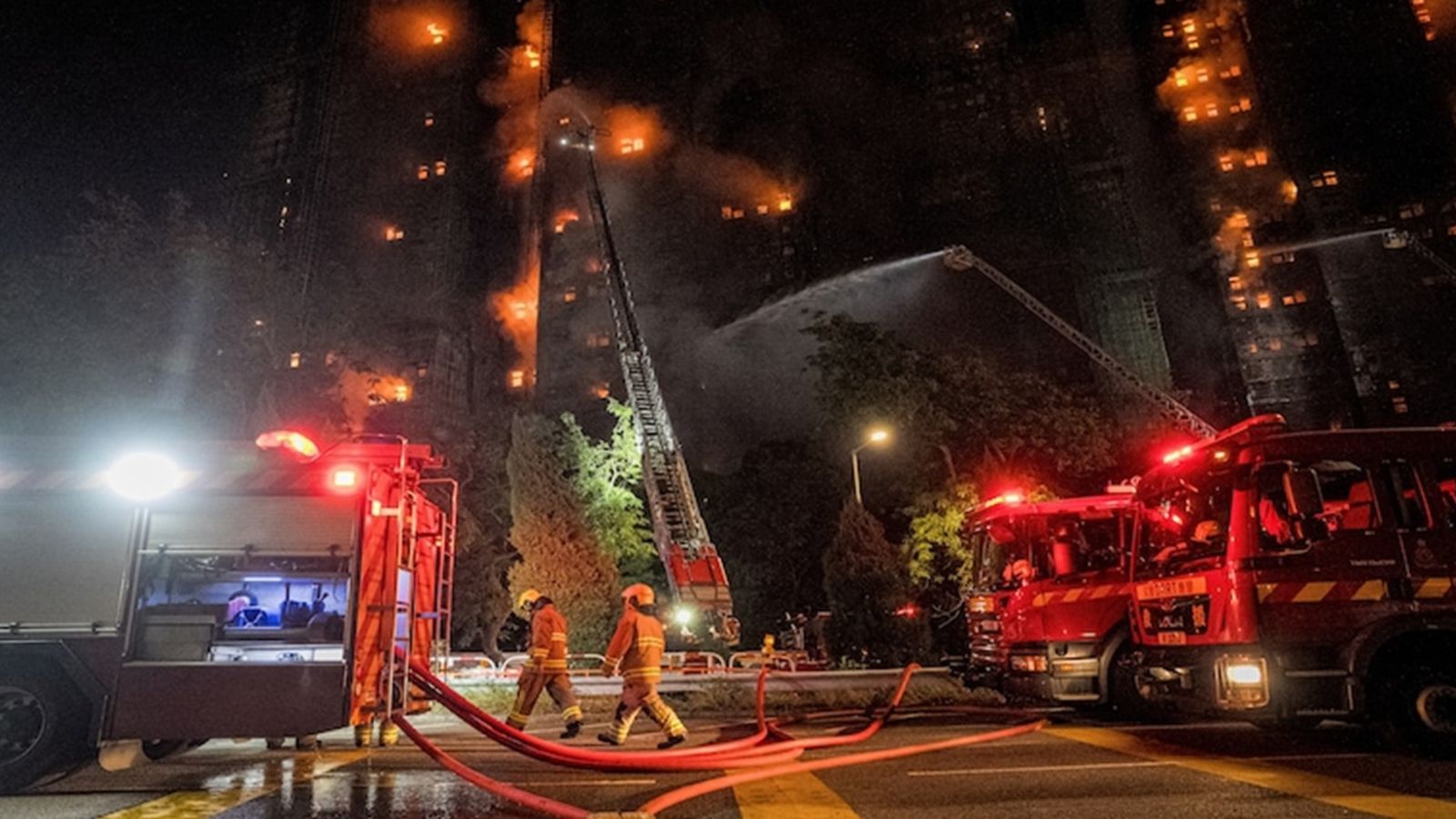
Operational Context
High-rise residential fires in Hong Kong typically trigger rapid multi-agency emergency response, perimeter lockdowns and extended forensic operations. Past tower and estate fires from 2023–2025 indicate that suppression and investigation activities commonly last 48 to 168 hours, with follow-on impacts, such as temporary housing, safety inspections, building-code enforcement and phased utility restoration, extending up to four weeks. Tai Po, a dense New Territories district with residential estates, schools and elderly care facilities, has high sensitivity to access restrictions; road closures along Tai Po Road and feeder streets can significantly slow commuter flows and affect last-mile distribution. Organisations with personnel or operations in Tai Po should expect short-term absenteeism and possible relocation needs, alongside restructuring of deliveries and client services.
Executive Summary
- Event Date: 26 November
- Location: Tai Po, Hong Kong
- Risk Category: Critical Infrastructure
- Severity Level: 4 / 5
- Confidence Score: 75%
A major high-rise fire in Tai Po has resulted in multiple casualties, displacement of residents and extensive emergency operations. Severe impacts are expected over the next 48 to 168 hours with potential medium-term disruption to utilities, transport and business access across the district.
Current Updates
Emergency services remain on site performing fire suppression, search and rescue and early-stage investigations. Authorities have implemented multiple road closures, rerouted bus services and advised the public to avoid the area. Temporary shelters have been activated for displaced residents, while casualty accounting remains ongoing.
Known Hotspots & Sensitive Zones
High Impact: Affected residential towers, immediate estate surroundings, elderly care homes and nearby schools
Medium Impact: Tai Po Market MTR station area, bus corridors and medical clinics
Low Impact: Districts beyond the Tai Po transport node
Historic patterns show that New Territories estate fires often produce prolonged cordons and require multi-agency safety inspections.
Impact on Transportation & Services
Road closures along Tai Po Road (Tai Po section), Kwong Fuk Road and neighbouring feeder lanes will increase journey times and restrict access to local premises. Bus routes may be diverted or suspended, and MTR station access could be moderated depending on emergency-service needs. Businesses may face interrupted deliveries, temporary site closures and localised utility disruptions affecting water and electricity supply.
Recommended Action
Immediate:
- Activate Incident Response Teams; verify staff safety; maintain a clear safe/unknown list.
- Approve emergency leave and arrange transport/medical support for affected employees.
- Secure premises, isolate at-risk equipment, and initiate IT failover to cloud or backup sites.
- Notify clients and suppliers within 90 minutes; publish expected disruptions and alternate service channels.
Strategic:
- Conduct structured damage assessments within 72 hours.
- Pre-identify alternative warehousing or distribution points in unaffected New Territories or Kowloon sites.
- Update fire-safety compliance documentation, retrain staff, and prepare for regulatory inspections.
Multidimensional Impact
Overlapping road closures may interfere with other planned events and transport arrangements, potentially affecting early train operations and public ceremonies. Emergency vehicle prioritisation can also delay routine logistics and crowd-management operations.
Emergency Contacts
- Emergency Hotline: 999
- Hong Kong Fire Services Department: 2723 8787
- Transport Department: 1823
Situational Outlook
Baseline expectations (sixty percent probability) suggest suppression and scene control within seventy-two hours, with road closures gradually easing. A moderate escalation scenario (thirty percent) involves structural compromise requiring extended cordons, multi-day transport diversions and prolonged rehousing operations. Severe escalation (ten percent) would involve structural failure, high casualty confirmation and multi-week access restrictions with significant infrastructure repairs and long-term relocation needs.
Strategic Takeaway
The Tai Po fire presents a high impact but geographically concentrated crisis requiring rapid personnel accounting, robust continuity planning and proactive logistics rerouting. Organisations should anticipate rolling restrictions, extend investigations and service delays, and leverage predictive tools such as MitKat’s Datasurfr to monitor response progression, safeguard workforce wellbeing and maintain operational resilience. Stay ahead of operational risks with real-time alerts, scenario modeling, and expert advisories with datasurfr’s Predict. Start your 14-day free trial of Datasurfr’s Risk Intelligence Platform today.