
Operational Context
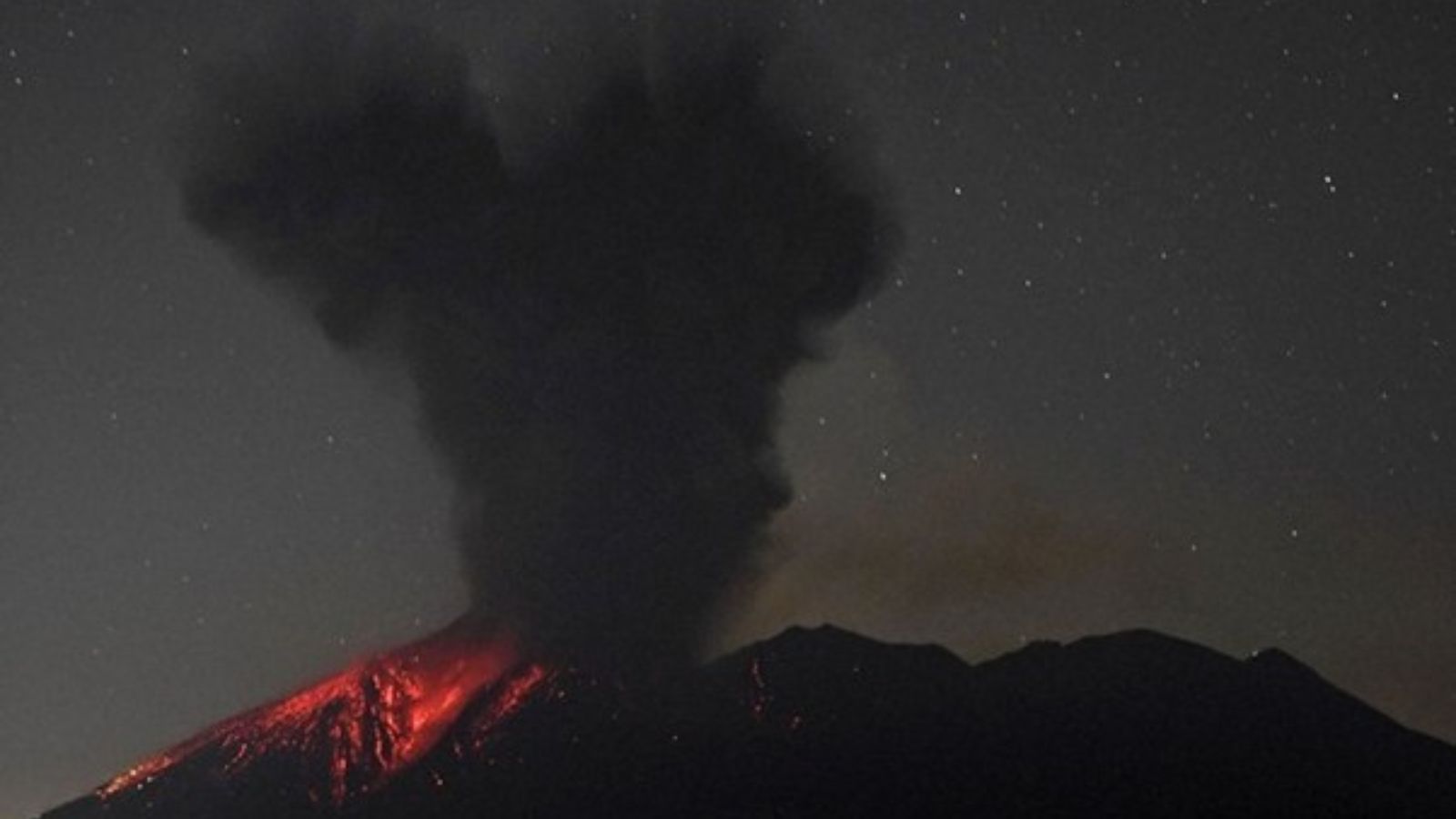
Sakurajima is one of Japan’s most active volcanoes, with frequent explosive events that typically generate ash plumes, minor lava emissions, and continuous seismic unrest. Historically, eruptions in 2023–2025 have produced ash columns between 3,000 and 12,000 feet, causing recurring disruptions to Kagoshima Airport, ferry operations, and local road networks. The region maintains strong volcanic monitoring protocols through the Japan Meteorological Agency (JMA), which typically enforces Alert Level 3 during elevated activity. Despite strong preparedness, Kagoshima City, located directly across the bay, remains vulnerable to ashfall, logistical disruption, and environmental impacts. The current activity is consistent with its cyclical eruptive patterns, commonly lasting five to ten days with intermittent strong explosions.
Executive Summary
- Event Date: 18 November 2025
- Location: Kagoshima Prefecture, Sakurajima, Japan
- Risk Category: Natural Disasters
- Severity Level: 3.5 / 5
- Confidence Score: 85 %
Sakurajima has experienced a new eruptive event as part of an ongoing active phase. Based on previous incidents this month and historical trends, intermittent ash emissions and moderate explosions are expected to continue. The primary risks relate to ashfall, aviation disruption, reduced visibility, and environmental degradation. Strong emergency protocols mitigate long-term impacts, but short-term operational delays are highly probable.
Known Hotspots & Sensitive Zones
High Impact:
- Sakurajima Island (Minami-dake and Showa craters)
- Kagoshima Airport (exposure to ash clouds and airspace restrictions)
- Eastern Kagoshima City facing direct ashfall
Medium Impact:
- Kagoshima Bay ferry routes
- Coastal transport corridors near Tarumizu and Kirishima
Low Impact:
- Inland areas north of the prefecture unless ash dispersion widens
Frequent eruptions produce seasonal ashfall, especially during November when winds often blow toward Kagoshima City.
Impact on Transportation & Services
- Aviation: Expected delays and cancellations at Kagoshima Airport due to ash plumes reaching flight levels.
- Road Access: Possible closures along Prefectural Road 26 on Sakurajima due to reduced visibility and ash accumulation.
- Ferry Operations: Intermittent suspensions across Kagoshima Bay.
- Utilities: Localised power interruptions and drainage blockages from heavy ash deposits.
- Business Operations: Disruptions to tourism, outdoor work, and agriculture; increased facility maintenance requirements.
- IT & Communications: Minor signal degradation possible due to ash interference and short-term power instability.
Recommended Action
- Provide N95 masks and protective eyewear to employees, issue guidance for outdoor activity restrictions.
- Conduct preventive ash removal from rooftops, machinery, HVAC systems, and drainage networks.
- Reroute supply chain movements and anticipate delays in air and ground transport, coordinate with logistics partners.
- Validate data backup systems, protect on-site servers from ash ingress, and support remote work arrangements.
- Maintain coordinated internal communication aligned with JMA and local emergency advisories.
Multi-Dimensional Impact
No unrelated external events were provided for cross-impact assessment. Current disruptions remain confined to volcanic activity and associated ashfall patterns.
Emergency Contacts
- Japan Meteorological Agency: https://www.jma.go.jp/jma/indexe.html
- Fire & Ambulance (Japan): 119
- Police: 110
Situational Outlook
Sakurajima is expected to remain in a heightened activity phase in the coming days. Under the baseline scenario, intermittent moderate eruptions will continue, producing localized ashfall and minor transport delays, with conditions stabilizing within five to seven days. A moderate escalation may lead to higher ash plumes, broader dispersion, and prolonged disruptions to air travel, ferries, and local infrastructure, extending recovery to one to two weeks. In a severe escalation, a major explosive event could cause widespread ashfall, significant utility outages, and large-scale evacuations, resulting in multi-week recovery and substantial operational impacts across Kagoshima.
Strategic Takeaway
Sakurajima’s latest activity follows a predictable pattern of short duration but impactful volcanic episodes. While well-managed, the cumulative effect of ashfall and transport disruption underscores the need for strong continuity planning, enhanced environmental monitoring, and real-time situational intelligence through platforms such as Datasurfr to support timely operational decision-making. Stay ahead of operational risks with real-time alerts, scenario modeling, and expert advisories with datasurfr’s Predict. Start your 14-day free trial of Datasurfr’s Risk Intelligence Platform today.
Tags: Japan volcano eruption todayJapan's sakurajima volcano erupted causing ash plumes and flight cancellationsSakurajima volcano erupts in japan today
Share on WhatsApp