
Operational Context
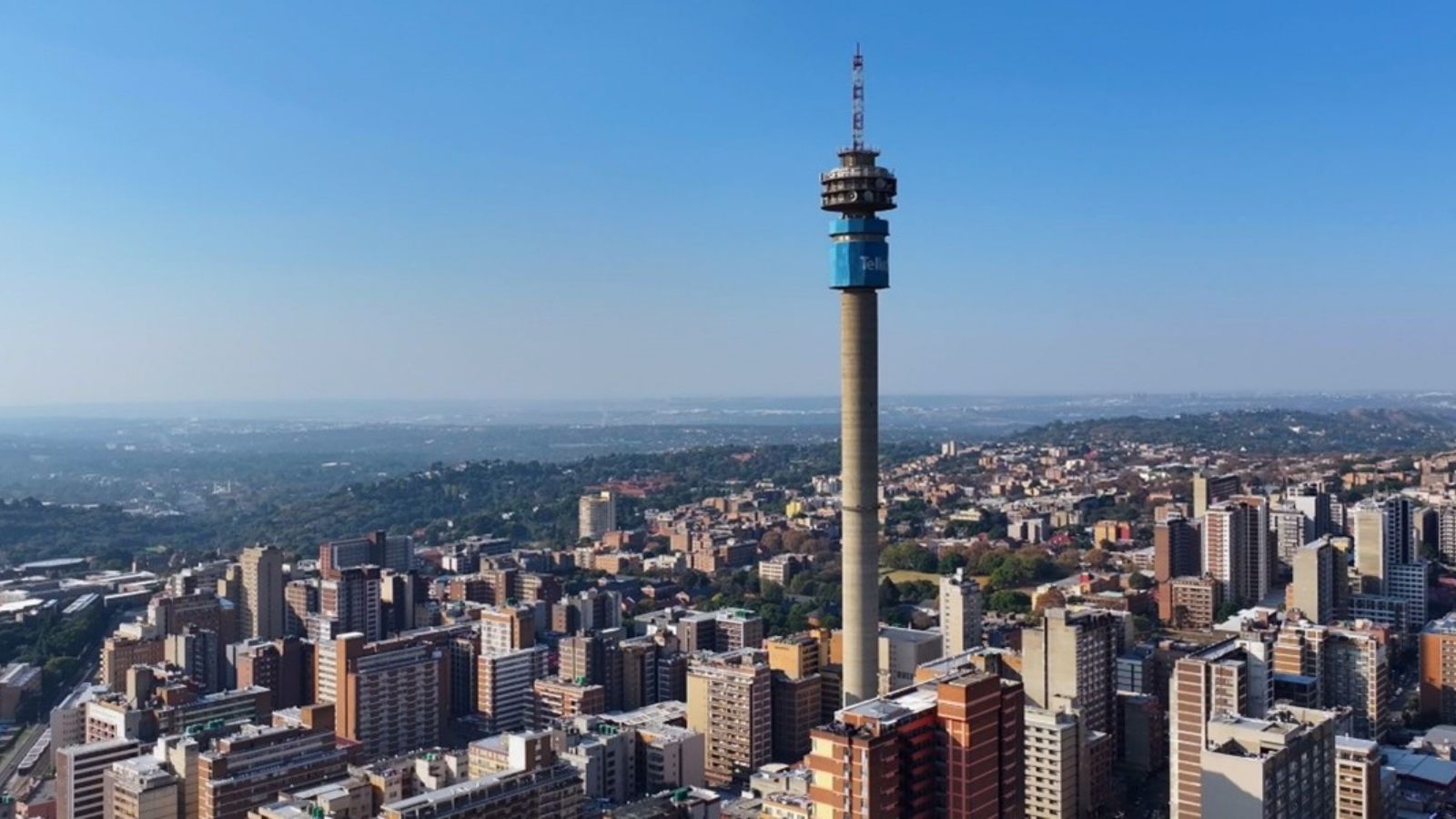
Authorities in South Africa have planned coordinated traffic enforcement and security operations across key routes in Johannesburg as part of broader security preparations for the upcoming G20 Leaders’ Summit. In the context of large-scale international summits, heightened security protocols and road closures can significantly impair urban mobility and business operations.
Historically, Johannesburg has experienced extensive congestion and travel paralysis during major events such as the BRICS Summit (2023), G20 dry runs (October 2025), and public gatherings at FNB Stadium. These events consistently demonstrate how high-profile meetings requiring security lockdowns can disrupt metropolitan logistics, impacting both commuters and corporate operations. Monitoring such risks is crucial for maintaining operational resilience and ensuring staff safety.
Executive Summary
- Event Date: 15 November 2025
- Location: Johannesburg, Gauteng, South Africa
- Risk Category: Travel Risks
- Severity Level: 4 / 5
- Confidence Score: 95 %
Johannesburg will experience major traffic disruptions on 15 November due to G20 Summit security measures. Authorities are implementing citywide road closures and access controls to secure delegation routes and event venues. Severe congestion and rerouting are expected across major corridors, including Sandton, OR Tambo International Airport access routes, and primary highways (N1, M1, N12). Businesses should anticipate one to two days of logistical and commute challenges. Based on previous summit patterns, impacts are projected to be significant but temporary.
Known Hotspots & Sensitive Zones
High Impact Zones:
- Sandton Business District: Surrounding the Sandton Convention Centre, Maude Street, West Street, and Sandton Drive.
- OR Tambo International Airport corridors: Sections of R24 and R21 reserved for VIP convoys.
- FNB Stadium vicinity: Temporary access restrictions for delegation events and gatherings.
Medium Impact Zones:
- N1 and M1 Highways — congestion due to diverted traffic.
- Diepkloof Interchange and northern suburbs leading to Sandton.
Low Impact Zones:
- Peripheral Johannesburg suburbs and southern routes with alternative detours.
Impact on Transportation & Services
Commuters should expect severe congestion lasting several hours. Public transport, including Rea Vaya bus services and minibus taxis, may face route suspensions or diversions. Private and corporate transport services will encounter extensive delays and higher operational costs due to rerouting.
Airport transfers to and from OR Tambo are particularly at risk of prolonged delays, potentially impacting flight schedules. Businesses may face workforce absenteeism, delivery delays, and reduced in-person engagements. Emergency and maintenance services may experience slower response times due to restricted movement across key intersections.
Recommended Action
Immediate Measures:
- Implement mandatory work-from-home arrangements for non-essential personnel on 15 November.
- Reroute or reschedule all deliveries and service calls to avoid the peak disruption window.
- Issue advance communication alerts to employees and clients by 12 November, providing alternate contact and service access details.
Strategic Measures:
- Conduct pre-event security and facility assessments for premises within Sandton and adjacent districts.
- Liaise with Johannesburg Metropolitan Police Department (JMPD) for verified route updates.
- Utilize real-time traffic and mapping platforms (e.g., Google Traffic, Johannesburg Roads Agency updates) for dynamic travel planning.
Multi-Dimensional Impact
Collateral disruptions may extend beyond transport, as ongoing Soweto protests, power outage grievances, and anti-summit vandalism incidents could amplify congestion and public frustration. Businesses hosting events or clients in Sandton or Midrand should anticipate reputational risks tied to service interruptions. Concurrent factors such as forecasted thunderstorms may worsen visibility and accident rates, compounding travel challenges across key routes.
Emergency Contacts
- Johannesburg Metropolitan Police Department (JMPD): +27 11 375 5911
- South African Police Service (SAPS) Emergency: 10111
- City of Johannesburg Call Centre: 0860 562 874
- Johannesburg Roads Agency (Traffic Updates): @MyJRA on X (Twitter)
- Airports Company South Africa (ACSA): https://www.airports.co.za/
- ER24 Emergency Medical Services: 084 124
- Road Traffic Management Corporation (RTMC): www.rtmc.co.za
Strategic Takeaway
The G20 Summit represents a critical urban mobility challenge for Johannesburg, with a high likelihood of citywide travel disruption on 15 November. The risk trajectory remains short-term but severe, centred on logistical bottlenecks and potential secondary protests. Businesses should maintain operational flexibility, prioritize remote work, and leverage live monitoring tools to ensure workforce safety and service continuity.
Proactive preparedness and predictive risk intelligence platforms such as MitKat’s Datasurfr can enhance situational awareness, support rapid decision-making, and reduce exposure to travel-related operational risks. Stay ahead of operational risks with real-time alerts, scenario modeling, and expert advisories with datasurfr’s Predict. Start your 14-day free trial of Datasurfr’s Risk Intelligence Platform today.
Share on WhatsApp