Operational Context
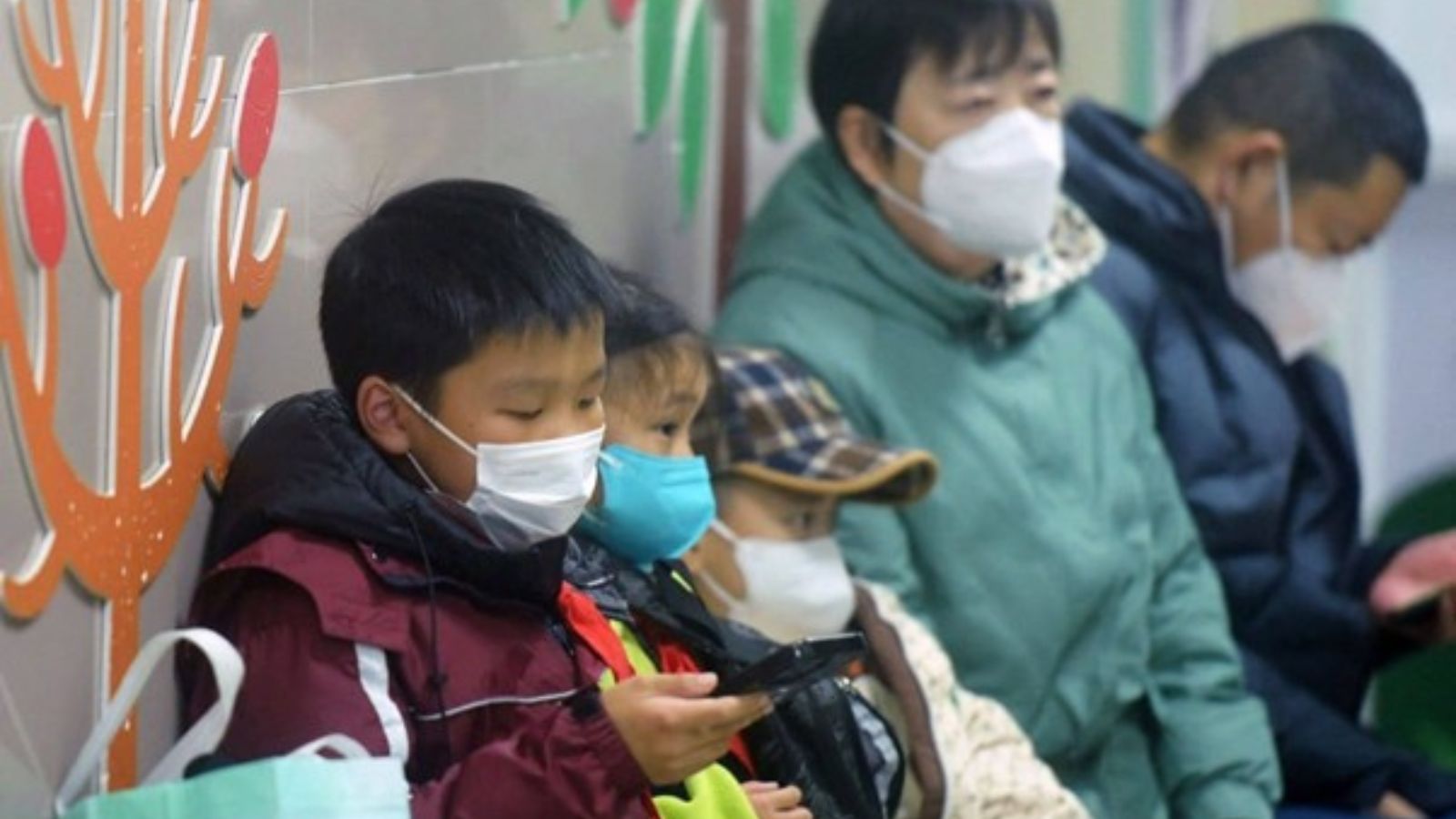
Health-related risks encompass infectious disease outbreaks that can disrupt public health systems, labor availability, and economic activity. In this case, the concurrent rise in Influenza and Rhinovirus transmission represents a recurring seasonal public health hazard. Historically, such respiratory illness surges—similar to those in late 2023 and early 2025—caused localized healthcare strain but were contained through effective government response and public compliance. Continuous monitoring of viral trends and hospital load remains vital to mitigate cascading operational impacts.
Executive Summary
- Event Date: 10 November 2025
- Location: Nationwide impact (China)
- Risk Category: Health
- Severity Level: 3 / 5
- Confidence Score: 88 %
A notable rise in Influenza and Rhinovirus cases is being reported across China, mirroring previous respiratory surges. The increase, primarily affecting children and the elderly, is causing heightened hospital admissions in cities such as Beijing, Shanghai, and Liaoning. Authorities expect elevated case numbers over the next 08–12 weeks, with impacts persisting through winter. The risk level is moderate, given the pathogens are known and response mechanisms are well-established.
Known Hotspots & Sensitive Zones
High Impact: Beijing, Shanghai, Liaoning, Guangzhou, and Shenzhen — paediatric hospitals and fever clinics nearing maximum capacity.
Medium Impact: Provincial capitals and densely populated urban centres with limited healthcare surge capacity.
Low Impact: Rural areas with lower transmission density but limited diagnostic coverage.
Recurring seasonal trends show urban paediatric wards and elderly care homes as consistent high-risk clusters during winter months.
Impact on Transportation & Services
Public transport and travel hubs could experience minor delays due to increased health screenings and staff shortages. Airports such as Beijing Capital (PEK), Shanghai Pudong (PVG), and Guangzhou Baiyun (CAN) may report moderate passenger slowdowns. Domestic rail services continue with enhanced sanitization measures.
Healthcare and logistics sectors could face workforce absenteeism of up to 10 percent, creating localized slowdowns in production and supply chain efficiency.
Recommended Action
Immediate Measures:
- Enforce hygiene protocols, including mandatory mask use and sanitization across workplaces.
- Encourage remote work for symptomatic employees to reduce transmission risk.
Strategic Measures:
- Diversify supply chains to mitigate production risks tied to Chinese manufacturing hubs.
- Conduct stress tests of Business Continuity Plans (BCP) focusing on absenteeism and logistics resilience.
- Maintain alignment with public health advisories from China’s CDC and WHO regional updates.
Multi-Dimensional Impact
While utilities and digital infrastructure remain unaffected, medical facilities face significant operational strain. Increased absenteeism and localized service delays may impact business performance in manufacturing, logistics, and healthcare sectors. Indirect risks include heightened public anxiety and misinformation, which could affect social stability and consumer confidence if not addressed through transparent communication.
Emergency & Monitoring Channels
- China CDC: www.chinacdc.cn
- WHO Western Pacific Office: www.wpro.who.int
- Local Health Commission Hotlines: 12320 (China Health Helpline)
- International SOS: +86 10 6462 9100
Strategic Takeaway
The current Influenza and Rhinovirus surge in China represents a moderate but manageable health event. Businesses should remain alert to workforce impacts, local mobility restrictions, and regional supply chain vulnerabilities over the next 08–12 weeks. Strategic preparedness through enhanced hygiene, adaptive operations, and verified information sources will be critical. Stay ahead of operational risks with real-time alerts, scenario modeling, and expert advisories with datasurfr’s Predict. Start your 14-day free trial of Datasurfr’s Risk Intelligence Platform today.