Operational Context
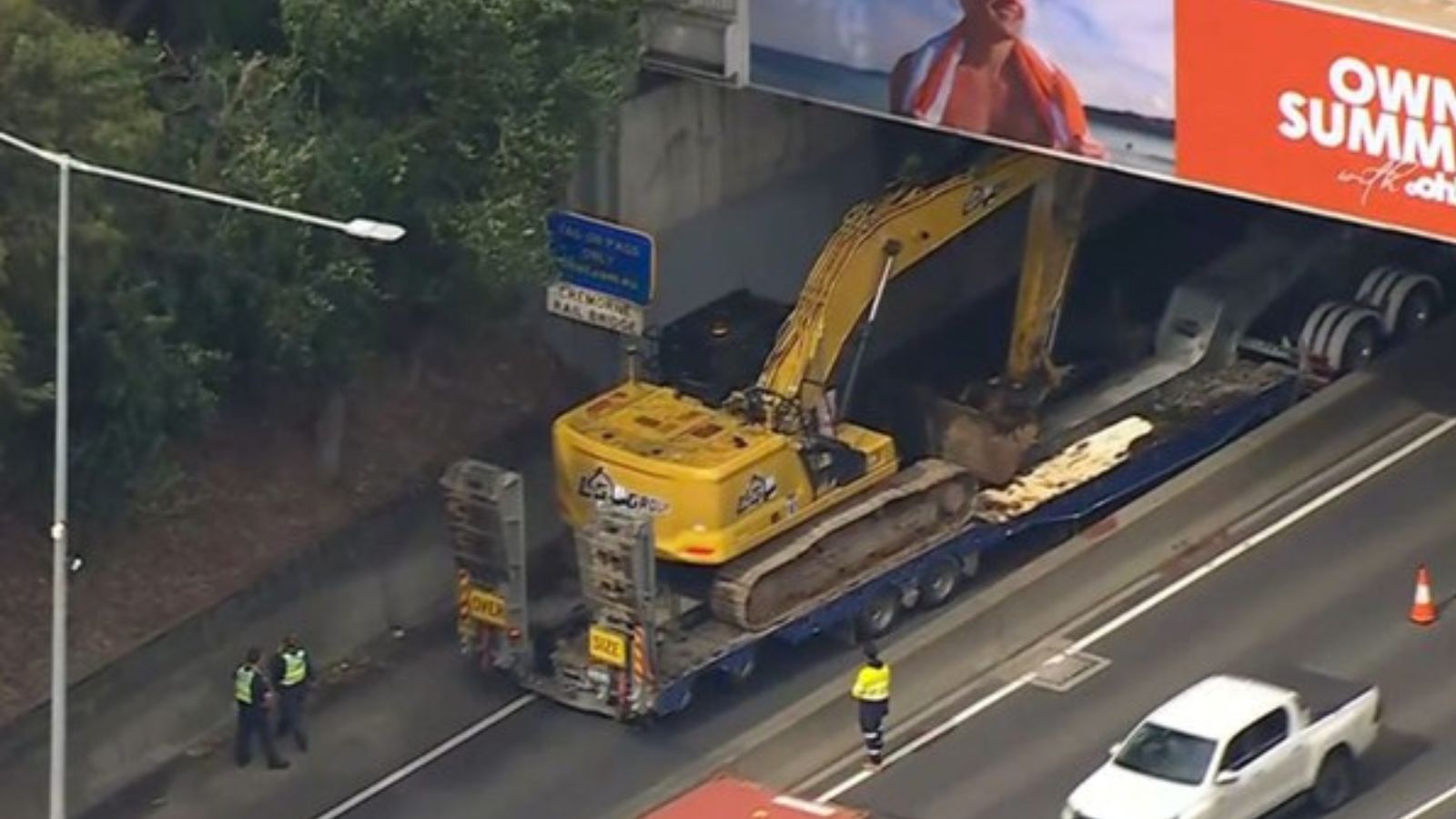
On Wednesday, 05 November 2025, a truck collided with two railway bridges near Cremorne Street and the Yarra River, severely disrupting road and rail movement across Melbourne’s inner suburbs. The collision has affected both Pakenham and Cranbourne train lines and major connecting roads, including Punt Road, Batman Avenue, and Alexandra Avenue key commuter corridors linking the Richmond–South Yarra–CBD zone.
Based on historical precedents such as the Clifton Hill derailment (July 2025) and extended bridge repair closures in 2024, the disruption is expected to last 24–72 hours for immediate recovery, with structural assessments and potential repairs extending impacts for up to 2–4 weeks. Given the direct damage to vital infrastructure, cascading delays across commuter services, freight logistics, and road networks are highly likely.
Executive Summary
- Event Date: 05 November 2025
- Location: Melbourne, Victoria (Punt Road–Richmond–South Yarra Corridor)
- Risk Category: Travel Risks
- Severity Level: 4 / 5
- Confidence Score: 85 %
The incident has caused severe multi-modal disruption in Melbourne, halting or delaying train services, clogging arterial roads, and overburdening alternative routes. While no fatalities are reported, the extent of bridge damage raises concern over longer-term repair operations and potential inspection closures across the city’s rail network.
Given Melbourne’s dependence on these corridors for both passenger and freight mobility, the operational and economic fallout is assessed as high-impact.
Current Updates
On Wednesday, 05 November, a truck reportedly collided with two railway bridges in Melbourne, leading to immediate and widespread train and road travel delays. The incident has impacted major transport arteries, particularly affecting train services on key lines and causing congestion on surrounding road networks as commuters seek alternative routes. Authorities have initiated investigations and preliminary assessments of structural damage to the affected bridges. The specific location is identified near Cremorne Street and the Yarra River, impacting the Pakenham and Cranbourne train lines.
Known Hotspots & Sensitive Zones
- Impact Zone: Cremorne–Richmond rail corridor near the Yarra River.
- Key Roads Affected: Punt Road, Batman Avenue, Alexandra Avenue, Olympic Boulevard, and Chapel Street.
- Rail Lines: Pakenham and Cranbourne lines suspended; secondary delays on Frankston and Sandringham lines.
- Critical Sites Nearby: Melbourne Cricket Ground (MCG), AAMI Park, Richmond Station, South Yarra Station, and the Yarra Boulevard arterial.
Impact on Transportation & Services
- Travel & Mobility:
Train suspensions and heavy road congestion causing significant commuter delays citywide. Alternative tram and bus routes overcrowded. - Business Operations:
Workforce attendance issues expected across CBD and inner suburbs; delivery schedules likely to slip. - Supply Chain:
Freight movement disrupted along eastern corridors and port linkages; last-mile logistics delays across Richmond and Southbank. - Infrastructure:
Structural integrity checks to continue for several days; temporary weight restrictions likely. - Safety:
No casualties reported; risk remains from ongoing debris removal and inspection activities.
Recommendations
Workforce & Operations Management
- Implement remote work or flexible hours for employees commuting through affected corridors.
- Circulate real-time transport advisories from VicTraffic and PTV to staff and clients.
- For critical field operations, deploy staff through unaffected routes (e.g., CityLink, St Kilda Road).
Supply Chain & Logistics
- Engage logistics partners to reroute deliveries avoiding Richmond–South Yarra–CBD axis.
- Prioritize non-peak hour dispatch and use alternate loading points (e.g., Port Melbourne bypass or Toorak Road).
- Maintain buffer stocks to offset supply-chain delays in the next 3–5 days.
Client & Stakeholder Communication
- Proactively inform clients of possible service delays and rescheduled meetings.
- Shift client interactions to virtual modes to maintain business continuity.
- Update vendors and suppliers with adjusted delivery windows.
Crisis Coordination & Monitoring
- Establish a local incident monitoring team to track updates via VicTraffic, PTV, and Victoria Police.
- Integrate learnings from past events (e.g., Clifton Hill derailment) to refine mobility contingency protocols.
- Review emergency access procedures for on-site teams operating in Richmond or Southbank zones.
Multi-Dimensional Impact
The incident highlights Melbourne’s recurring infrastructure vulnerability to bridge strikes and truck collisions.
Expected impacts include:
- High commuter frustration and loss of productivity over several days.
- Freight and retail sector delays in supply deliveries.
- Minor environmental and social impacts, primarily from idling vehicles and extended commutes.
- Reputational strain for city transport authorities if delays persist beyond a week.
Situation Outlook
Over the next several weeks, varying levels of disruption are expected following the reported structural damage. The baseline scenario anticipates minor damage, with partial reopening of affected rail lines and roads by 07 November, though short-term delays and localized congestion may persist. A moderate escalation could occur if significant bridge repairs are required, leading to 1–2 weeks of extended rail closures between Richmond and Caulfield and continued traffic detours. In a severe case (10%), a major structural failure could be confirmed, triggering 2–6 weeks of reconstruction work, widespread rerouting, and chronic congestion across Melbourne’s eastern suburbs.
Emergency & Monitoring Channels
- Emergency: 000 (Police / Fire / Ambulance)
- Key Agencies:
Strategic Takeaway
Treat Melbourne’s Richmond–South Yarra corridor as a critical disruption zone through at least 07 November 2025. Activate remote work, flexible logistics, and continuous monitoring protocols until full restoration of rail services and bridge safety clearance.
Given historical patterns, expect recurring secondary congestion and repair-related lane closures over the next month. Stay ahead of operational risks with real-time alerts, scenario modeling, and expert advisories with datasurfr’s Predict. Start your 14-day free trial of Datasurfr’s Risk Intelligence Platform today.