
Operational Context
Tunisia faces a nationwide industrial action led by the General Tunisian Labor Union (UGTT) targeting banks and financial institutions between 3–4 November 2025.
The strike reflects long-standing labor tensions over wages, job security, and stalled reforms in the financial sector amid persistent inflation and fiscal stress.
Historically, UGTT-led strikes including transport (August 2025) and agriculture (June 2025) have generated short-term paralysis in key public services. Though typically peaceful and confined to their announced duration, such strikes disrupt cash circulation, trade financing, and government revenue collection, often spilling over into minor street demonstrations in Tunis, Sfax, and Sousse. Given Tunisia’s fragile economic recovery, even a two-day halt in financial operations may amplify liquidity strain and public frustration, increasing the probability of escalated labor negotiations or follow-on sectoral strikes.
Executive Summary
- Event Duration: 03–04 November 2025
- Location: Nationwide (Tunis, Sfax, Sousse, Gabès)
- Risk Category: Civil Disturbance
- Severity Level: 3 / 5
- Confidence Score: 95 %
A nationwide two-day banking and financial sector strike is expected to suspend nearly all financial operations in Tunisia. The action will halt transactions, delay payments, and affect trade and business liquidity. Although large-scale unrest is not anticipated, localized protests near financial districts and government buildings could cause temporary disruption. While most services will normalize after 4 November, backlogs and delayed reconciliations are likely to persist through the following week.
Current Updates
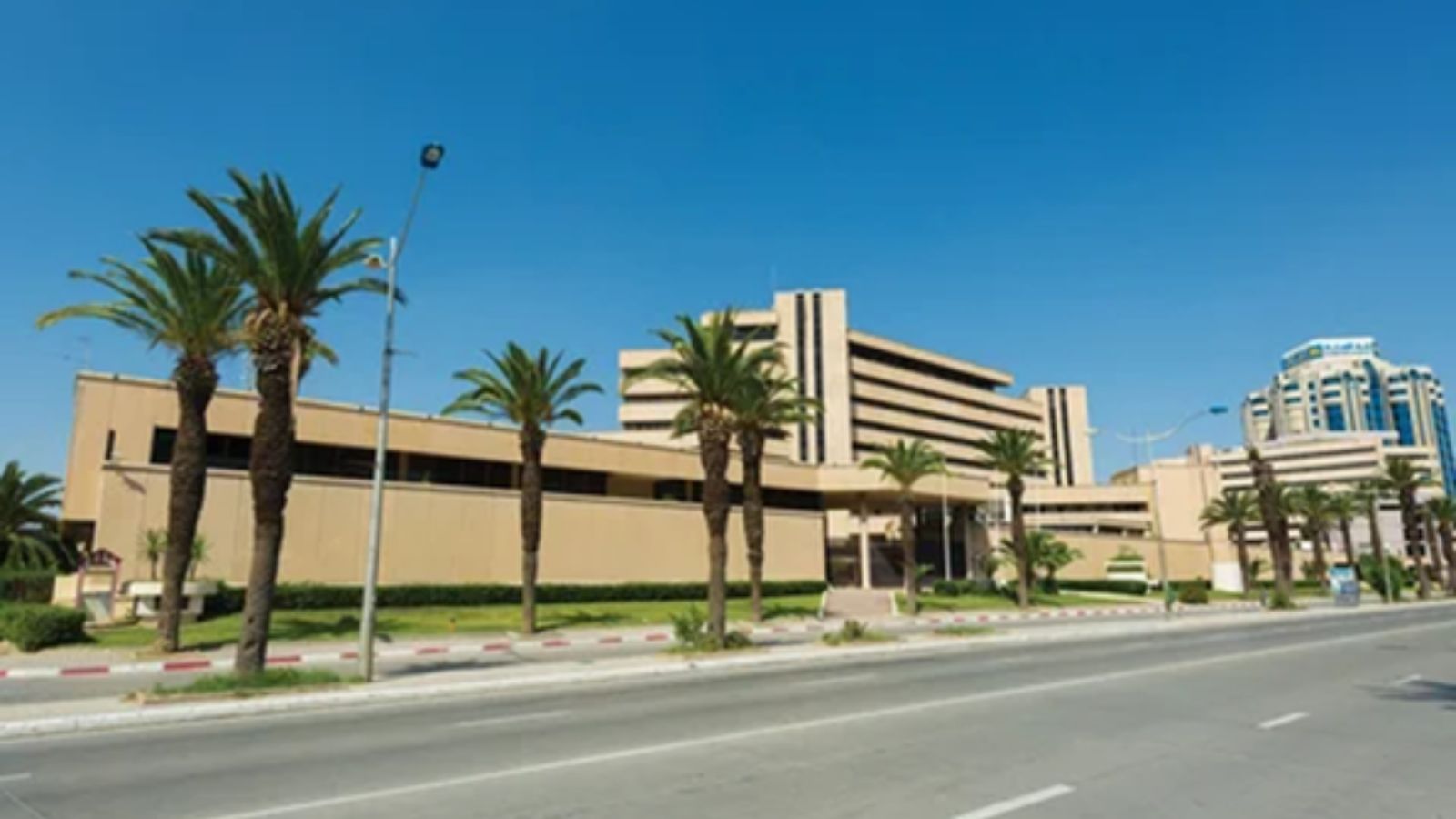
The UGTT has formally confirmed the strike following failed talks with the Ministry of Finance. The strike includes state-owned and private banks, insurance entities, and financial service providers. ATM cash replenishment and interbank transfers are expected to pause nationwide. Authorities have deployed additional police presence near Central Bank of Tunisia (Avenue Mohamed V, Tunis) and regional UGTT offices to preempt potential gatherings. The Central Bank has advised the public to plan cash withdrawals and payments ahead of the strike.
Known Hotspots & Sensitive Zones
- Tunis: Avenue Mohamed V, Avenue Habib Bourguiba, Kasbah Square (government district)
- Sfax: Avenue Hedi Chaker, central UGTT office zone
- Sousse: Avenue Mohamed V and city center financial corridors
- Gabès & Nabeul: Potential solidarity gatherings near main UGTT offices
- Government Sites: Central Bank of Tunisia, Ministry of Finance, and UGTT Headquarters (Place Mohamed Ali, Tunis)
Impact on Transportation & Services
- Financial Operations: Complete suspension of physical banking and interbank clearing; online banking limited by staff shortages.
- Supply Chain: Payment delays for import/export operators; downstream impact on customs clearance and trade settlements.
- Business Continuity: Payroll and vendor payment delays; working capital tightness for SMEs and exporters.
- Public Services: Reduced access to cash and financial transactions; potential queues at ATMs pre- and post-strike.
- Mobility: Minor traffic congestion around protest zones in Tunis and Sfax; public transport unaffected.
- Safety: Low risk of violence; sporadic demonstrations may cause localized crowding or delays near government buildings.
Recommendations
Workforce & Finance Management
- Finalize salary disbursements and supplier payments before 2 November.
- Maintain on-site cash reserves for emergency transactions or staff needs.
- Enable remote work for administrative teams dependent on banking interfaces.
Business Continuity & Operations
- Activate contingency payment systems (digital wallets, deferred invoicing).
- Prioritize critical vendor contracts requiring clearance or insurance documentation.
- Schedule client transactions and reconciliations post-strike (from 5 November onward).
Physical Security & Communications
- Increase security at cash-handling locations and branch offices.
- Communicate early with clients, partners, and employees on operational continuity plans.
- Set up internal helplines or chat updates for strike-related service impacts.
Post-Strike Recovery
- Prepare for high transaction volumes and system lags once services resume.
- Conduct internal audit of delayed transactions and update compliance reporting timelines.
Multi-Dimensional Impact
The nationwide strike will temporarily paralyze Tunisia’s financial infrastructure, disrupting business liquidity and operational flows. While the event is short in duration, cumulative effects such as delayed payments, reduced public confidence, and backlog congestion could linger for several days.
Indirect risks include heightened public frustration, potential secondary protests, and temporary pressure on the Tunisian dinar in informal markets.
Situation Outlook
Over the next week, Tunisia is likely to experience moderate but nationwide disruption due to the ongoing banking sector strike. The baseline scenario (70%) anticipates the strike concluding as scheduled after two days, with normal banking operations resuming by 5 November, though minor transaction backlogs may persist temporarily. A moderate escalation (25%) could occur if the UGTT extends the strike or mobilizes solidarity actions, leading to localized protests in Tunis and Sfax and rising public frustration. In a severe case, the movement could expand into a broader general strike affecting multiple sectors such as education and transport heightening the risk of civil unrest and prompting potential government intervention.
Emergency & Monitoring Channels
- Police: 197
- Fire: 198
- Ambulance: 190
- Presidency of the Republic of Tunisia
- Government of Tunisia (Prime Ministry)
- Central Bank of Tunisia
- Ministry of Finance Tunisia
Strategic Takeaway
Treat 03–04 November as a nationwide operational pause across Tunisia’s financial system. Pre-position liquidity, activate contingency payment measures, and maintain transparent communication with employees and clients. Monitor for UGTT statements indicating post-strike extensions or wider labor mobilization. Stabilization is expected by early November, though business normalization may require several additional days. Stay ahead of operational risks with real-time alerts, scenario modeling, and expert advisories with datasurfr’s Predict. Start your 14-day free trial of Datasurfr’s Risk Intelligence Platform today.
Tags: Operational risk managementRisk ManagementTunisia newsTunisia strikes
Share on WhatsApp