Operational Context
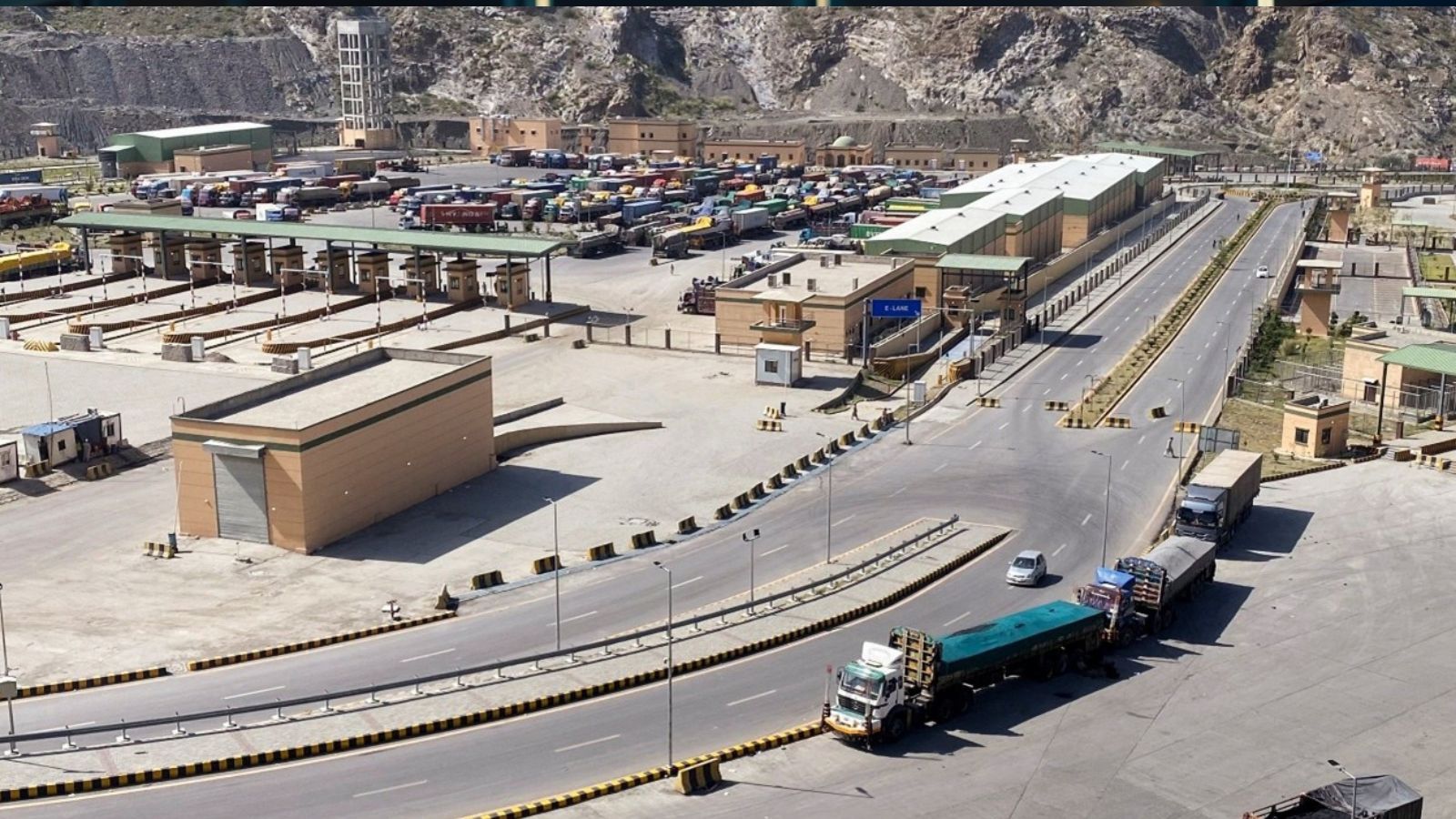
The Afghanistan–Pakistan frontier especially Torkham and Chaman, has a recurrent clash–ceasefire–reclash pattern driven by border works, militant movement, and competing jurisdiction claims. Even brief incidents often trigger full post closures, military reinforcement, and days of trade paralysis impacting humanitarian flows and regional trucking corridors.
Executive Summary
- Date of Event: 16 October 2025
- Location: Afghanistan–Pakistan border (Torkham/Chaman focus), Kabul, Khyber Pakhtunkhwa & Balochistan corridors
- Risk Category: External Threats
- Severity Level: 4/5
- Confidence Score: 85%
A 48-hour ceasefire is in place after deadly exchanges of fire. Baseline risk remains elevated: short-notice closures, sporadic gunfire near posts, and enhanced checks are likely for 1–2 weeks. Expect stop-start cargo flows, driver backlogs, and security sweeps on approach roads. Full-scale conventional escalation is not baseline, but localized kinetic flare-ups remain probable.
Current Updates
Parties agreed to temporary de-escalation with liaison channels active. Border infrastructure is operating on reduced/conditional throughput with ad-hoc inspections, while security forces maintain forward posture near sensitive checkpoints.
Known Hotspots and Sensitive Zones
- Crossings & Approaches: Torkham (N-5/Highway 7 approaches), Chaman–Spin Boldak, Ghulam Khan.
- Military & Police Posts: Forward checkposts along Khyber/Nangarhar and Balochistan/Kandahar axes.
- Staging/Queue Areas: Dry ports, holding yards, and fuel stops within 10–25 km of crossings.
Impact on Mobility and Services
- Roads: Rolling closures and convoy-style releases cause multi-hour truck queues; civilian buses frequently suspended/turned back.
- Air/Rail (indirect): No direct rail link; air cargo re-routings possible for critical freight.
- Operations: Brokerage, customs, and last-mile distribution face unpredictable timing; relief shipments require pre-clearance and escorts.
Recommendations
- Workforce & Mobility: Impose no-travel for non-essential staff to border belts; designate safe staging towns; maintain daily welfare checks and muster protocols.
- Supply Chain & Assets: Reroute time-critical cargo via alternative land (Iran/Central Asia where viable) or air–sea hybrids; expand buffer stock in Peshawar, Quetta, Kabul, Jalalabad; fix layover financing for drivers stranded at posts.
- Crisis Coordination & Comms: Activate an Incident Cell (Ops/Security/Legal/Comms) to issue twice-daily SITREPs; publish client advisories with revised SLAs, and keep force-majeure language ready.
- Legal/Insurance: Review political-risk and cargo interruption coverage; confirm contractual remedies for delayed delivery; track any cross-border regulatory notices.
- People Safety: Crowd-avoidance guidance, no-night driving near the frontier, trauma kits in fleet vehicles, and verified emergency evacuation routes.
Multi-Dimensional Impact
Expect acute effects on people safety, mobility, and logistics: armed standoffs near posts heighten risks for drivers and nearby communities, while border closures throttle trade, raising demurrage, detention, and spoilage costs. Business operations near crossings will adopt reduced hours and skeleton staffing; asset security risks rise around fuel depots and yards during prolonged queues. Regulatory/legal exposure increases with shifting post instructions and ad-hoc document checks; social cohesion in border towns can fray amid displacement and rumor cycles. Infrastructure (gates, perimeter walls, weigh stations) is vulnerable to incidental damage; communications/IT impacts are indirect signal slowdowns and power interruptions rather than targeted outages. Environmental effects are limited to diesel idling and waste accumulation from immobilized convoys.
Situation Outlook
It is highly likely the ceasefire holds only temporarily, with intermittent skirmishes and short closures over the next 7–14 days. A moderate path involves multi-day shutdowns at one or more posts and artillery exchanges prompting wider trucking backlogs. A low-likelihood severe path features simultaneous clashes across sectors, indefinite closures, and significant civilian displacement.
Emergency and Monitoring Channels
- Emergency: Pakistan 15 / Afghanistan 119
- Rescue/Medical: Pakistan 1122 / Afghanistan 102
- Official Feeds:
Strategic Takeaway
Expect intermittent disruptions along the frontier over the next fortnight. De-risk exposure by adopting alternative routes, front-loading inventory, and restricting non-essential travel. Maintain an active protect-and-pause plan, ensuring teams are prepared to resume operations swiftly when conditions stabilize and movement windows reopen. Stay ahead of operational risks with real-time alerts, scenario modeling, and expert advisories with Datasurfr Predict. Start your 14-day free trial of Datasurfr’s Risk Intelligence Platform today.