
Operational Context
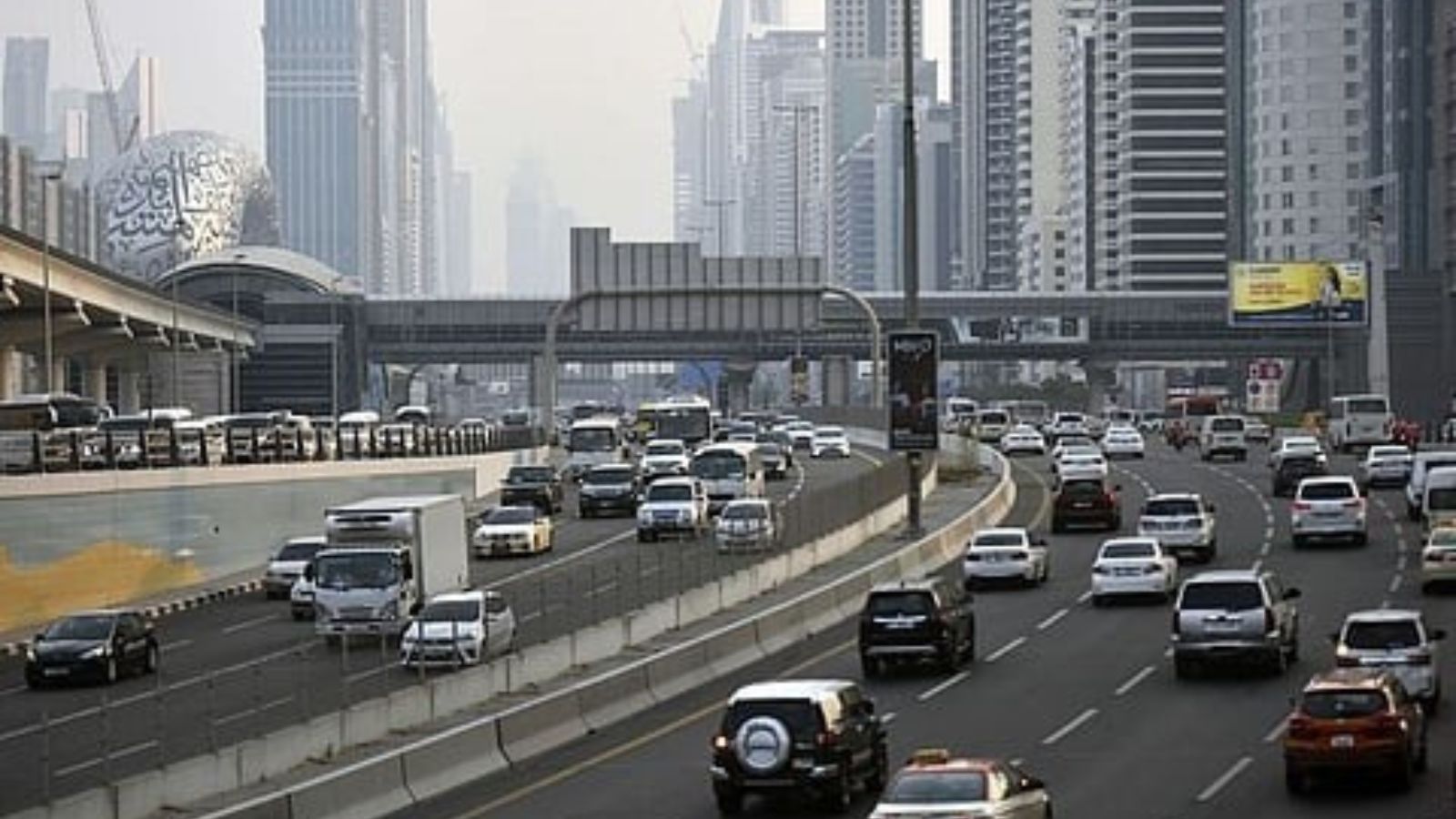
E10 is a primary east–west artery linking Abu Dhabi’s urban core with inter-emirate corridors (E11/E311/E611). Planned lane closures on E10 typically displace traffic onto parallel expressways and urban feeders, creating knock-on delays at ramps, merges, and signalized junctions—especially during morning and evening peaks.
Executive Summary
- Event Window: 15–20 October 2025
- Location: Sheikh Zayed Bin Sultan Street (E10), Abu Dhabi, UAE
- Risk Category: Travel Risks
- Severity Level: 3/5
- Confidence Score: 90%
A partial closure of E10 is in force through Monday, 20 Oct. Expect moderate-to-high congestion on diversion routes (notably E311/E611) and urban connectors, with residual delays into 21 Oct as flows normalize. Primary impacts: commuter travel, urban logistics, and time-definite appointments. Safety risks are indirect (minor collisions on crowded detours).
Current Updates
Traffic management is active (cones, variable message signs, police/ITC posts). Morning peak delays already reported on E311 and E611 as commuters reroute; taxi/ride-hail demand has spiked around business districts and residential catchments feeding E10.
Known Hotspots and Sensitive Zones
- E10 Work Zone & Ramps: Lane drops, narrowed shoulders, speed restrictions.
- Key Junctions/Connectors: Al Falah intersection, city-bound exits, and mall/office district approaches along E10.
- Diversion Corridors: E311 (SMBZ Road), E611 (Emirates Road), and urban collectors feeding the island.
Impact on Transportation and Services
- Mobility: Longer door-to-door travel times; irregular headways on city buses crossing E10; higher taxi ETAs and surge pricing.
- Operations: Late arrivals for on-site staff; missed appointment windows; increased courier dwell.
- Emergency Access: Slower passage at bottlenecks near lane closures; mitigated by priority corridors when activated.
Recommendations
Workforce & Scheduling
- Enforce flex hours/remote work for E10-dependent commuters; stagger start/end times beyond peak (e.g., arrivals before 07:30 or after 10:00).
- Publish red/amber/green route guidance and building access windows.
Logistics & Field Ops
- Re-time deliveries to off-peak (early a.m./late p.m.); pre-book loading bays; consolidate drop runs.
- Use micro-fulfilment/bike-courier for inner-city last mile; maintain a quick-reaction van outside the core.
Travel Planning & Comms
- Issue a client advisory with revised SLAs/ETAs; offer virtual meetings for 15–20 Oct.
- Share live traffic links and push notifications; equip drivers with two alternate routings per leg.
Safety & Site Controls
- Brief drivers on work-zone hazards (lane shifts, abrupt braking); mandate rest breaks to reduce fatigue.
- Keep first-aid kits and vehicle emergency gear; validate insurance for extended route times.
Multi-Dimensional Impact
The closure chiefly affects travel and mobility, pushing vehicles onto E311/E611 and urban feeders, where lane conflicts and ramp queues inflate commute times. Business operations see punctuality dips, appointment rebooking, and softer footfall for premises near the work zone. Supply chain friction concentrates in the last mile—couriers and service technicians face longer ETAs and reduced daily job counts. People safety risks rise indirectly via fender-benders and stress-driven behavior on crowded detours; enforcement and speed management help mitigate. Environmental impacts include localized emissions from idling queues. Other domains (asset security, utilities, ICT, regulatory) remain low risk given the planned, time-boxed nature of works.
Situation Outlook
It is highly likely congestion remains elevated through 20 Oct, peaking weekday. Rush-hour pressure should ease progressively after reopening, with residual delays on 21 Oct while patterns reset. A modest risk of extension (weather/technical) exists but is not baseline.
Emergency and Monitoring Channels
- Police: 999
- Ambulance: 998
- Fire: 997
- Hotline: ITC Abu Dhabi 800 88888
Strategic Takeaway
Treat 15–20 Oct as a planned disruption window: shift work off-peak/remote, pre-book mobility assets, and re-time last-mile tasks. Prioritize driver safety in work zones, maintain clear stakeholder comms, and pivot to normal schedules from 21 Oct if reopening proceeds as announced. Stay ahead of operational risks with real-time alerts, scenario modeling, and expert advisories with Datasurfr Predict. Start your 14-day free trial of Datasurfr’s Risk Intelligence Platform today.
Tags: Abu Dhabi newsOperational risk managementRisk ManagementSheikh Zayed Bin Sultan Street
Share on WhatsApp