Operational Context
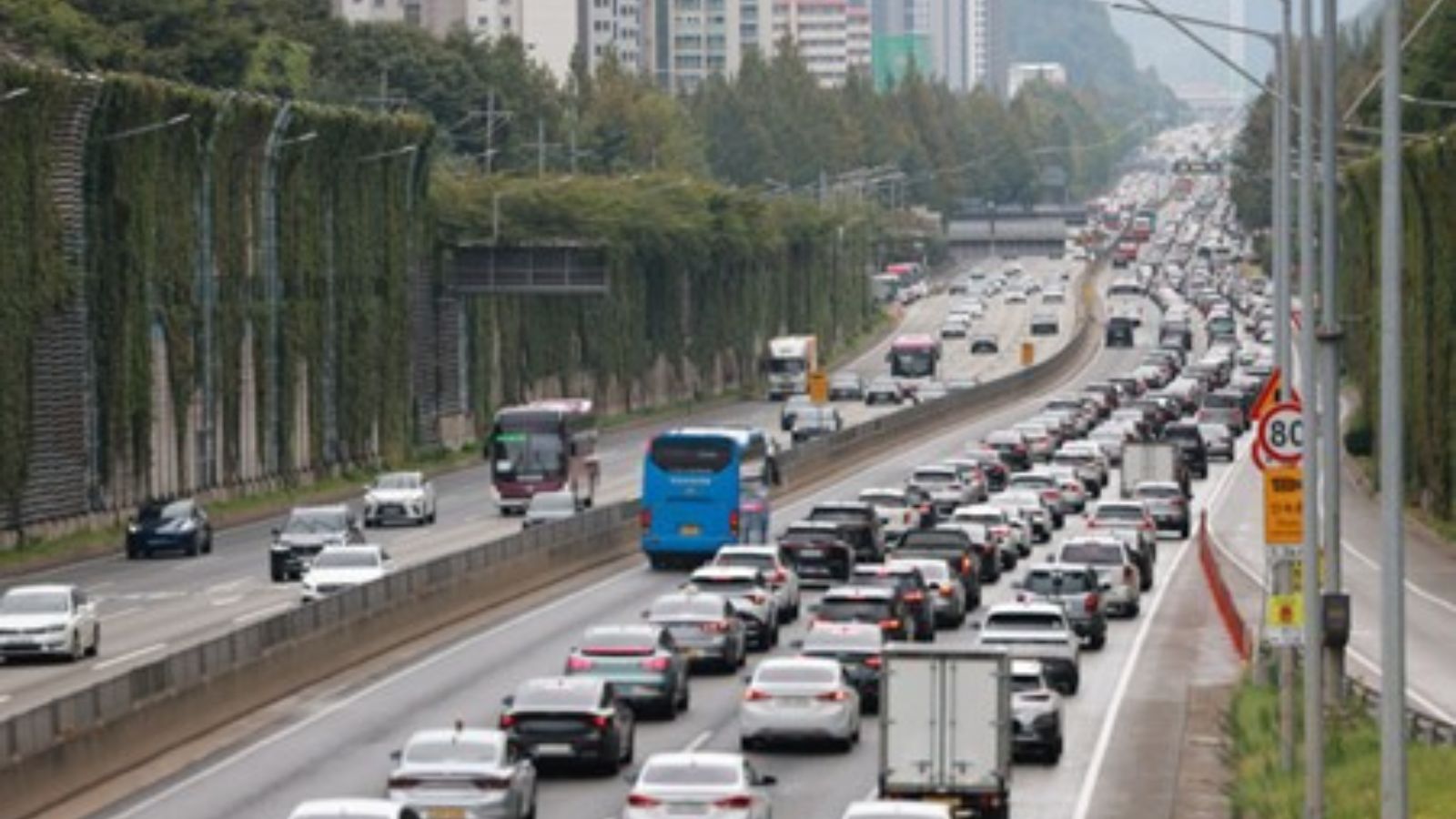
A situational brief provides a concise, operationally relevant overview of emerging mobility and infrastructure challenges. In South Korea, the Chuseok holiday is one of the busiest national travel periods, characterized by large-scale intercity movement. As the holiday concludes, major expressways and transport corridors experience heavy congestion due to return traffic toward metropolitan areas. The brief helps organizations anticipate travel disruptions, manage logistics delays, and maintain operational continuity amid nationwide mobility stress.
Executive Summary
- Date of Event: 09 October 2025
- Locations Affected: Seoul, Busan, Daegu, Gwangju, Incheon
- Risk Category: Travel Risks
- Severity Level: 3/5
- Confidence Score: 95%
As of Thursday, October 9, South Korea is witnessing significant travel disruptions linked to the Chuseok holiday return phase. Major expressways such as Gyeongbu, Seohaean, and Yeongdong are heavily congested, with travel times between Seoul and Busan reaching five to six hours. Although no major accidents have been reported, the cumulative strain on transport networks remains substantial. Rail and air services continue to operate under high demand, while ground congestion near key transit hubs adds to delays. The overall impact is assessed as moderate, with confidence in this projection rated high based on historical holiday patterns.
Current Updates
Traffic congestion remains intense nationwide, particularly on expressways leading into Seoul and other urban centers. The Korea Expressway Corporation has issued multiple advisories warning of extended journey times and urging staggered departures. Airports and railway terminals such as Seoul Station and Dongdaegu Station continue to operate near full capacity, with limited seat availability on most routes. No significant public safety incidents have been reported, though fatigue-related minor accidents have increased.
Known Hotspots and Sensitive Zones
Congestion hotspots include Gyeongbu Expressway, Seohaean Expressway, and interchanges near Suwon, Daejeon, and Cheonan. Urban choke points such as Gangnam-daero (Seoul), Seomyeon (Busan), and Dongdaegu Terminal remain affected. Sensitive areas also include Seoul and Gimpo Airports, Cheonggyecheon in Seoul, and major toll gates approaching the Seoul Metropolitan Region.
Impact on Transportation and Services
Expressways are operating at near-capacity, with travel times extending two to three times the normal duration. Intercity bus terminals and rail stations face heavy passenger congestion. Public transport systems are functional but delayed due to overflow demand. Logistics providers, including e-commerce and last-mile delivery services, report widespread delays in dispatch schedules. Urban retail centers have reduced staffing as many employees remain in transit.
Recommendations
- Operational Readiness: Encourage remote work or flexible hours for non-critical staff to reduce commuting stress.
- Logistics: Reschedule shipments around congestion peaks; use alternate freight routes wherever possible.
- Employee Safety: Remind staff to plan rest breaks during long drives; provide assistance for stranded personnel.
- Communication: Share real-time travel advisories through internal networks and external channels.
- Continuity Planning: Review BCP measures for logistics-dependent operations to mitigate prolonged disruption.
Multi-dimensional Impact
The ongoing congestion, compounded by a heavy rain forecast in Seoul and Gangwon (10–11 October), may prolong return delays and increase minor accident risks. Extended idling is contributing to localized air pollution spikes, and a modest rise in respiratory illness cases is anticipated post-holiday due to high interregional mobility. Logistics costs are likely to rise temporarily, while consumer spending and business productivity dip marginally during the post-Chuseok recovery window.
Situation Outlook
It is highly likely that congestion will gradually ease over the next 24–48 hours as the final wave of returnees arrives in metropolitan areas. However, rain or accidents could prolong bottlenecks and delay full normalization through the weekend. A low-probability severe scenario such as a multi-vehicle pile-up or flooding on key expressways could result in prolonged closures and nationwide supply chain disruption. The situation remains under control but warrants continuous monitoring and operational flexibility through early next week.
Emergency and Monitoring Channels
- Police: 112
- Fire and Ambulance: 119
- Government Portals:
- Korea Expressway Corporation (Road Traffic Information)
- Ministry of Land, Infrastructure and Transport (MOLIT)
- Seoul Metropolitan Government
Strategic Takeaway
Chuseok return travel disruptions represent a recurring yet manageable national event. While the immediate operational impact is moderate, businesses reliant on physical logistics, employee mobility, or customer footfall should remain alert to compounding factors such as weather or accidents.
Stay ahead of operational risks with real-time alerts, scenario modeling, and expert advisories with Datasurfr Predict. Start your 14-day free trial of Datasurfr’s Risk Intelligence Platform today.