
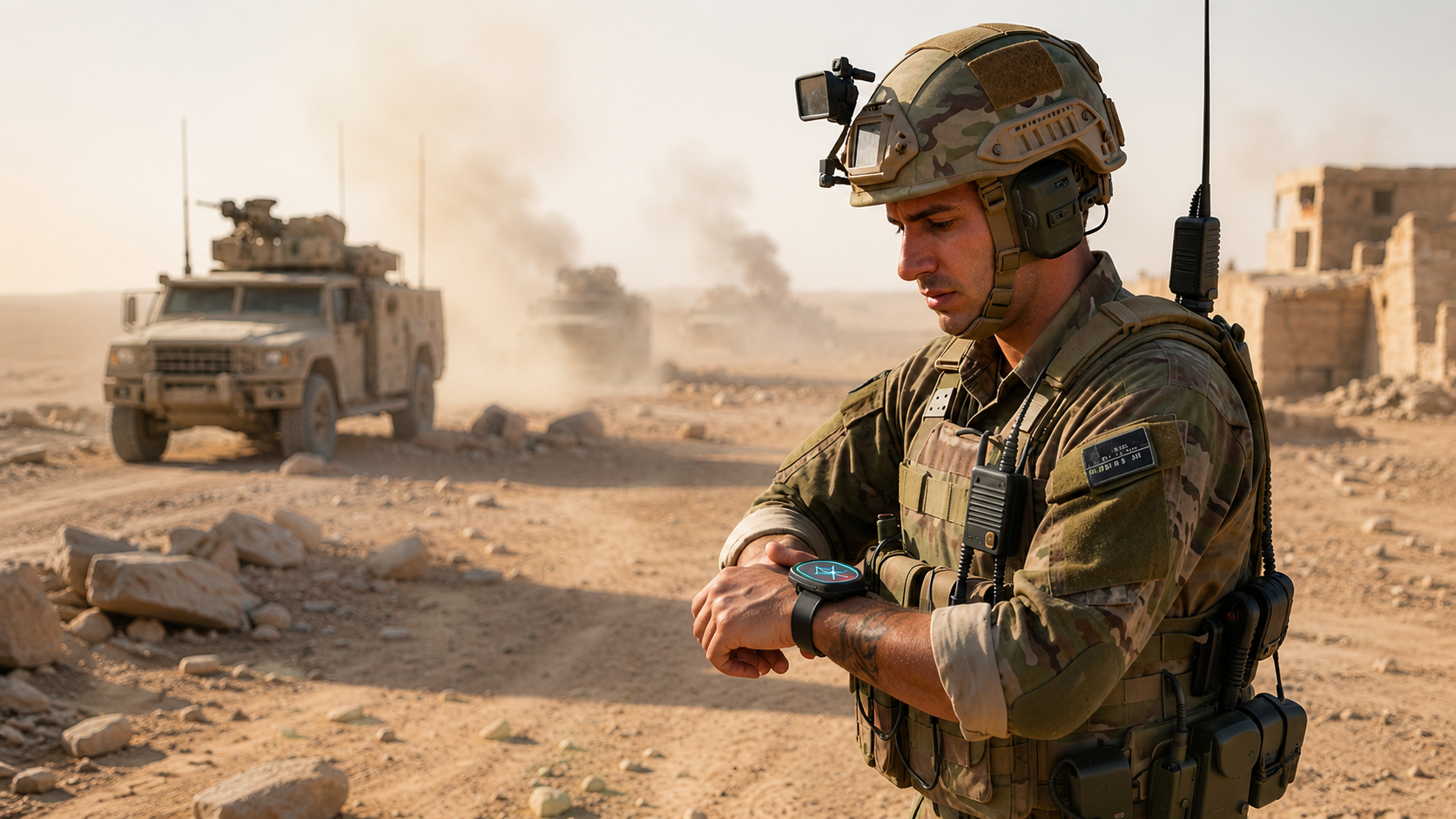
Today, organizations are managing distributed teams across dozens of nations, with countries experiencing geopolitical instability, natural disasters, cyber security threats, and infrastructure issues.
Remote work has the advantage of flexibility and access to global talent, but it also introduces new security and operational risks. Remote workers in high-risk areas may be affected by political instability, internet outages, cyberattacks, health crises or sudden environmental disasters that can affect their well-being and performance.
In order to combat these challenges, organizations are increasingly using real-time alert systems that incorporate a combination of artificial intelligence, GEO-based intelligence, and predictive risk monitoring technologies. Such systems enable companies to detect threats early, communicate with employees immediately, and respond quickly during emergencies.
In today’s unpredictable world, real-time risk intelligence is critical to keeping remote employees safe and ensuring business continuity.
Why Remote Employees Face Increased Risks
Remote employees often operate outside traditional office security environments. In high-risk regions, they may face limited infrastructure support, unstable communication networks, and increased exposure to geopolitical or environmental threats.
Some of the most common risks affecting remote employees include:
- Geopolitical conflicts and civil unrest
- Natural disasters and severe weather
- Cybersecurity threats and phishing attacks
- Health and medical emergencies
- Infrastructure and connectivity failures
- Transportation and utility disruptions
Without proactive monitoring systems, organizations may struggle to protect employees and maintain operational stability during crises.
The Role of Real-Time Alerts in Employee Protection
Real-time alerts provide organizations with immediate visibility into threats affecting employees and operations.
Modern AI-powered monitoring systems analyse data from:
- Global news and intelligence feeds
- Government advisories
- Weather and environmental monitoring systems
- Cybersecurity threat intelligence platforms
- Telecommunications and infrastructure networks
- Social media and emergency reporting channels
These systems automatically send alerts to security teams and employees when risks emerge, allowing organizations to respond rapidly.
1. Protecting Employees During Geopolitical Conflicts and Civil Unrest
Political instability, protests, armed conflicts, and regional tensions can escalate rapidly and create dangerous conditions for remote employees.
AI-driven geopolitical monitoring systems help organizations:
- Detect emerging political unrest in real time
- Identify employees located in affected areas
- Send GEO-targeted emergency alerts
- Provide evacuation or relocation guidance
- Maintain secure communication during crises
By using live intelligence and location-based alerts, businesses can improve employee safety and reduce exposure to high-risk environments.
2. Responding to Natural Disasters Quickly
Natural disasters such as floods, earthquakes, wildfires, hurricanes, and storms can disrupt both employee safety and business operations.
Real-time alert systems help organizations:
- Track environmental threats continuously
- Notify employees about evacuation orders or severe weather
- Monitor infrastructure and transportation disruptions
- Coordinate emergency support and communication
Fast response capabilities are essential for maintaining operational continuity during environmental emergencies.
3. Strengthening Cybersecurity for Remote Workers
Remote employees are often more vulnerable to cybersecurity threats because they rely heavily on personal networks, cloud systems, and remote access tools.
AI-powered cybersecurity monitoring systems can:
- Detect unusual login activity or suspicious behaviour
- Identify phishing attempts and malware threats
- Monitor unauthorized system access
- Send automated alerts to IT and security teams
This enables organizations to respond immediately to potential cyber incidents and reduce the risk of data breaches.
4. Managing Health and Medical Emergencies
Employees working in high-risk regions may face localized health concerns, disease outbreaks, or limited access to emergency medical support.
Real-time monitoring systems help organizations:
- Track regional health advisories and outbreak reports
- Provide emergency medical alerts and guidance
- Coordinate employee assistance services
- Support rapid communication during medical emergencies
These systems strengthen organizational duty of care responsibilities and improve employee well-being.
5. Monitoring Infrastructure and Connectivity Risks
Remote employees depend heavily on stable internet access, electricity, and communication infrastructure.
Infrastructure failures can disrupt operations and create safety concerns, particularly in politically unstable or disaster-prone regions.
Real-time monitoring tools help organizations:
- Detect internet and power outages
- Monitor telecommunications disruptions
- Identify operational downtime risks
- Activate backup communication systems when necessary
Maintaining connectivity is critical for both employee productivity and emergency response coordination.
The Growing Role of AI and Predictive Intelligence
Artificial intelligence is transforming remote workforce protection by improving speed, accuracy, and predictive capabilities.
AI-powered systems can:
- Analyse massive volumes of global data in real time
- Predict emerging threats before escalation
- Automate risk alerts and notifications
- Improve operational decision-making during crises
This allows businesses to move from reactive response to proactive risk prevention.
Why Duty of Care Matters for Remote Employees
Organizations have a legal and ethical responsibility to protect employees regardless of where they work.
Real-time monitoring and emergency alert systems strengthen corporate duty of care by helping companies:
- Continuously assess employee risks
- Improve crisis response capabilities
- Maintain communication during emergencies
- Protect workforce safety and well-being
A strong duty of care strategy also improves employee confidence and organizational resilience.
Best Practices for Protecting Remote Employees
To improve remote workforce safety in high-risk regions, organizations should:
- Implement AI-powered real-time alert systems
- Use GEO-based employee tracking responsibly
- Establish emergency communication protocols
- Integrate cybersecurity and geopolitical monitoring
- Conduct regular regional risk assessments
- Develop crisis response and evacuation plans
- Train employees on security and emergency procedures
Preparedness and continuous monitoring are essential in today’s global work environment.
The Future of Remote Workforce Protection
As remote work continues to expand globally, organizations will increasingly rely on advanced technologies to protect distributed teams.
Future workforce protection strategies will focus on:
- Predictive risk intelligence
- AI-driven crisis response systems
- Automated GEO-targeted alerts
- Integrated cybersecurity and travel risk monitoring
- Real-time operational resilience platforms
Businesses investing in these technologies will be better prepared to manage global uncertainty and protect employees effectively.
FAQ’s
1.How does GPS tracking help in high-risk scenarios?
- Real-Time Location Monitoring: Pinpoints employee positions instantly for quick emergency response.
- Geofencing: Creates virtual boundaries around dangerous zones; triggers alerts when crossed.
- Emergency SOS Features: Employees can signal distress, allowing supervisors or first responders to act promptly.
- Data for Risk Assessment: Historical GPS data identifies high-risk zones and informs security planning.
2. Future trends in protecting remote employees
- Predictive Risk Intelligence: AI forecasts potential incidents before they occur.
- Hyper-Local GEO Monitoring: Fine-grained location-based insights for precise risk alerts.
- Automated Emergency Workflows: Rapid, pre-defined crisis responses reduce reaction lag.
- Integrated Security Ecosystems: Seamless coordination across HR, travel, cybersecurity, and emergency systems.
Conclusion
Real-time alerts are revolutionizing the manner in which companies protect remote workers in high-risk areas. By integrating AI-driven intelligence, GEO-centric monitoring, cybersecurity safeguards and proactive crisis management tactics, organizations can improve employee safety, increase operational resilience and maintain business continuity in the face of global disruptions.
In 2026, companies that emphasize real-time protection of their workforce and predictive risk intelligence will be better positioned to handle uncertainty and foster the safety and productivity of remote workers around the world.
Share on WhatsApp