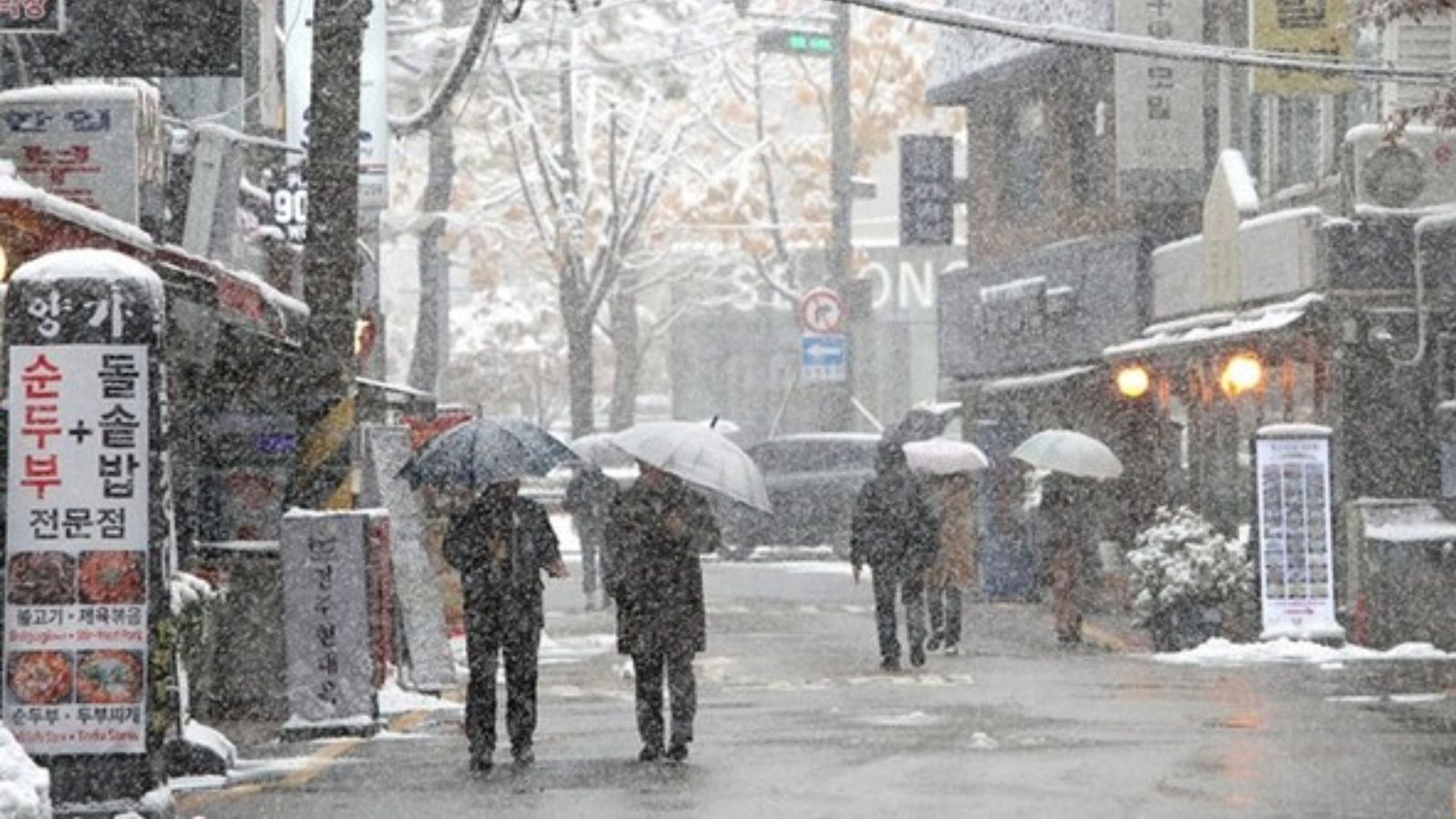
Executive Summary for the Snowfall Advisory in South Korea
A heavy snowfall advisory has been issued for parts of Gangwon-do, with snowfall expected to intensify overnight and continue into the morning hours. Accumulation is likely to affect mountain passes and rural communities, increasing the risk of transport disruption, traffic accidents, and localized utility outages. Authorities have activated winter preparedness measures, including snow-clearing operations and emergency monitoring.
- Event Date: 12 March
- Location: Gangwon-do, South Korea
- Risk Category: Environment
- Severity Level: 3 / 5
- Confidence Score: 85 %
Operational Context
The Korea Meteorological Administration has issued a heavy snowfall advisory for parts of Gangwon-do on 12 March, particularly targeting inland valleys and high-elevation zones of the Taebaek mountain range. Weather forecasts indicate that snowfall will begin overnight and intensify through the following morning, creating conditions conducive to road icing and reduced visibility. Gangwon-do frequently experiences late-winter snowfall events that affect transport routes connecting inland districts and coastal logistics corridors. Such conditions historically lead to temporary road closures, slowed freight movement, and workforce commuting disruptions, especially in mountainous regions such as Pyeongchang, Jeongseon, and Yeongwol. Businesses operating in tourism, logistics, and retail sectors in these areas may face short-term operational challenges as snow accumulation and icy roads limit accessibility. Local authorities have activated winter-response teams and pre-positioned snow removal equipment to minimize prolonged disruptions.
Known Hotspots & Sensitive Zones
High Impact Zones:
- Mountain passes and high-altitude roads such as the Daegwallyeong corridor and Odaesan access routes are particularly vulnerable to heavy snowfall and icing.
- Tourism infrastructure and ski resort access roads in Pyeongchang also face increased operational risk.
Medium Impact Zones:
- Inland counties including Yeongwol and Jeongseon may experience moderate snowfall accumulation and road mobility constraints affecting commuter traffic and delivery services.
Low Impact Zones:
- Coastal districts of Gangwon-do are expected to experience lighter snowfall and fewer disruptions compared to inland mountainous areas.
Historically, late-winter snowfall events in Gangwon-do have resulted in localized traffic incidents and temporary access limitations in rural communities.
Impact on Transportation & Services
Snow accumulation and freezing temperatures are likely to create hazardous driving conditions across mountain passes and secondary roads. National routes crossing the Taebaek mountain region may experience temporary restrictions or reduced speed limits as road crews conduct snow removal operations. Intercity bus services and freight vehicles traveling through inland Gangwon-do may encounter delays due to snow-covered roads and precautionary traffic controls. Rail networks are expected to continue operating with possible minor delays for de-icing procedures. Businesses reliant on road connectivity, particularly logistics and tourism operators, may experience short-term disruption to supply chains, customer access, and workforce commuting.
Recommended Action
- Authorities and businesses should prioritize short-term operational continuity and safety measures during the advisory period. Non-essential travel through mountain corridors should be minimized until road conditions stabilize.
- Facilities in affected areas should prepare snow-clearing equipment, ensure adequate heating and infrastructure protection, and maintain contingency staffing arrangements such as remote work or staggered schedules. Logistics providers should monitor road advisories and adjust delivery timelines where necessary.
- Coordination with local emergency management authorities and weather monitoring agencies will remain critical to maintaining operational awareness.
Multi-Dimensional Impact
The snowfall advisory may temporarily increase pressure on municipal emergency services and snow-removal teams across Gangwon-do. Increased demand for road maintenance and emergency response resources could affect response times for unrelated incidents during the advisory period.
Emergency Contacts
- Emergency Services: 119
- Korea Meteorological Administration (KMA): kma.go.kr
Situational Outlook
Snowfall across Gangwon-do is expected to occur primarily overnight and continue into the following morning, with the most significant accumulation occurring in high-altitude areas of the Taebaek mountain range. Under baseline conditions, road crews are likely to restore traffic flow within one day as snow-clearing operations progress, resulting in only short-term disruption to transport and logistics. A moderate escalation scenario may emerge if heavier snowfall bands develop and temperatures remain near freezing, prolonging road icing and temporarily isolating remote communities. In a less likely severe scenario, strong winds combined with heavy snow could produce extensive accumulation and strain power distribution networks, leading to multi-day road closures and extended service interruptions across mountainous regions of Gangwon-do.
Strategic Takeaway
The heavy snowfall advisory issued for Gangwon-do represents a moderate environmental risk with the potential to disrupt transportation and daily operations across mountainous districts. Although the event is expected to remain short in duration, rapidly changing temperatures and snow accumulation may intensify road safety risks and create localized service interruptions. Organizations operating in the region should maintain heightened situational awareness and implement contingency measures to safeguard employees and logistics operations. Stay ahead of operational risks with real-time alerts, scenario modeling, and expert advisories with datasurfr’s Predict. Start your 14-day free trial of Datasurfr’s Risk Intelligence Platform today.