What is Ramadan 2026 in APAC and when does it start?
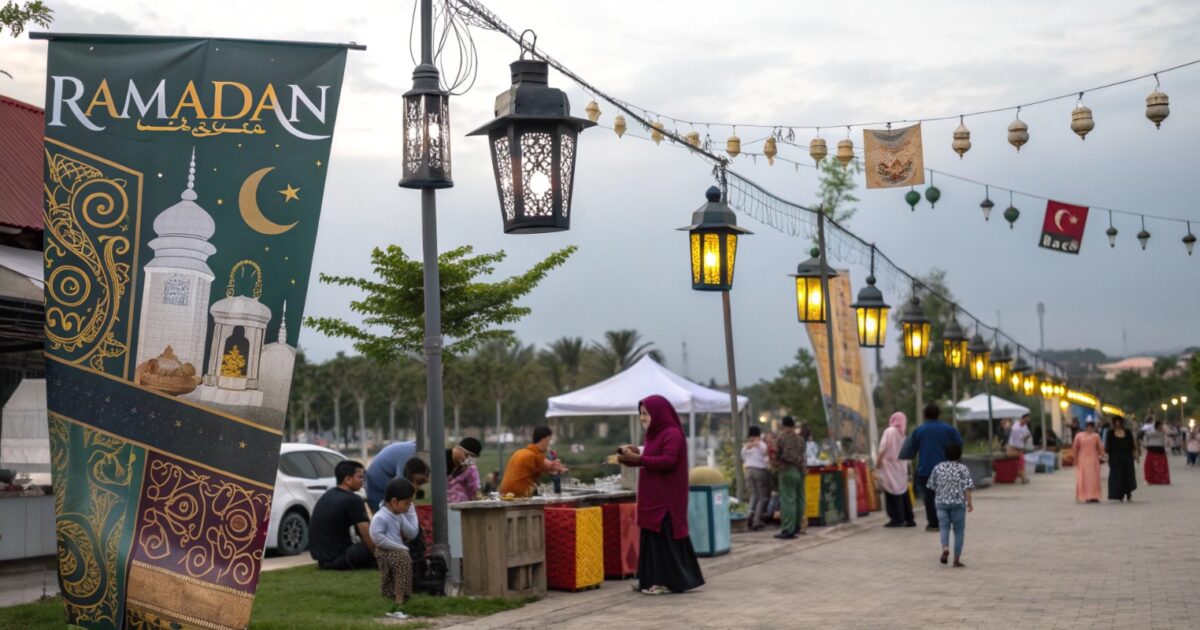
Ramadan is the ninth month of the Islamic lunar calendar, observed across the Asia-Pacific region as a period of spiritual reflection, devotion, charity and self-discipline, with Muslims fasting from pre-dawn to sunset for 11 to 16 hours depending on location and season. In 2026, it is expected to begin around 18 February and end on 20 or 21 March, subject to crescent moon sighting; most countries expect to start between 18 and 19 February, with India around 19 February, and confirmation comes from bodies such as Pakistan’s Central Ruet-e-Hilal Committee, Indonesia’s Sidang Isbat and MUIS in Singapore. The month closes with Eid al-Fitr. Mosques host daily congregational prayers and community iftar gatherings, and charity drives and religious events increase evening footfall in public spaces.
Which areas in South Asia will see the most disruption?
In India, the most noticeable congestion is expected near Jama Masjid-Chandni Chowk in Delhi, Charminar-Mecca Masjid in Hyderabad, Mohammed Ali Road in Mumbai, Aminabad-Chowk in Lucknow and the Hazratbal area of Srinagar, particularly during iftar and late-evening prayers, with heightened police deployments on Fridays and in the final days before Eid. Bangladesh’s government offices run from 0900 to 1530 hours with a 15-minute Zuhr prayer break, Friday and Saturday remain weekly holidays, banks and other institutions set their own hours, and Dhaka police will increase deployments near mosques and markets during iftar and tarawih. In Pakistan, federal offices on a five-day week work 0900 to 1500 hours from Monday to Thursday and 0900 to 1230 hours on Fridays, and banks operate roughly 0900 to 1530 hours Monday to Thursday, with a bank holiday on the first day of Ramadan for Zakat deduction; authorities also aim to limit load-shedding during sehri and iftar. Sri Lanka’s circular lets Muslim officers adjust duty rosters for prayer, while Maldivian government offices commonly close for the final ten days.
What about Southeast Asia and the rest of APAC?
In Indonesia, mosques, Ramadan bazaars (Pasar Ramadan), malls and transport hubs in Jakarta, Surabaya, Bandung and Yogyakarta are expected to see higher footfall and localised congestion, while the government conducts market inspections and price monitoring. In Malaysia, Kuala Lumpur City Hall has capped Ramadan bazaar rental at RM400 per lot, and the Prime Minister has directed improved bazaar management. Brunei prohibits eating, drinking or smoking in public during daylight hours and expects modest dress and respectful behaviour. In Singapore, Geylang Serai is expected to draw heavy footfall, with traffic management and crowd-control deployments, and Hari Raya Puasa is a gazetted public holiday. Authorities in the Bangsamoro region of the Philippines typically adjust government working hours. Across East Asia, Central Asia and Oceania, including Japan, China, Australia and New Zealand, no widespread operational disruption is anticipated, but congestion is likely around prominent mosques and Islamic centres during iftar and tarawih.
What are the business continuity risks?
Ramadan 2026 in APAC is a period of localised congestion and shifting demand rather than widespread shutdown. Businesses may see revised working hours, slower administrative processes, supply chain delays and limited staff availability during fasting hours, while food, retail and logistics face evening demand spikes and localised supply pressure. Roads around mosques, markets and transport hubs slow at iftar and tarawih, and pre-Eid travel raises passenger volumes at airports, railway stations and bus terminals. Petty crime such as pickpocketing and bag snatching rises in crowded commercial areas and night markets, and higher evening energy consumption can cause electrical faults, localised fire hazards or temporary power disruptions. Dehydration, fatigue and stress affect vulnerable groups and outdoor workers, civil disturbances such as communal tensions are possible in sensitive areas, and the risk of misinformation may increase.
What should organisations and individuals do to prepare?
Organisations should monitor official notifications on revised working hours, banking schedules and Eid-ul-Fitr holidays, communicate clearly with employees, vendors and clients about adjusted productivity and response timelines, allow additional travel time and alternate routes near religious venues at peak prayer periods, and prepare for shipment and logistical delays. Reviewing staffing and shift arrangements and strengthening internal verification processes are also advised. Individuals should expect large gatherings around mosques during tarawih and iftar, with temporary roadblocks or diversions, verify timings for businesses and government offices before travelling, and keep belongings secure in crowded areas. Take care with roadside food, follow local rules on photography in religious premises, avoid sensitive religious or political discussions, report suspicious activity to local authorities, arrive early at airports, railway stations and bus terminals during Eid, and never share banking details or OTPs without verification.
Frequently asked questions
When does Ramadan start in APAC in 2026?
Ramadan is expected to begin around 18 February 2026, between 18 and 19 February in most APAC countries and around 19 February in India, and to end on 20 or 21 March, subject to moon-sighting confirmation.
Are government working hours reduced in APAC during Ramadan?
Not uniformly. Bangladesh and Pakistan have revised government hours, Sri Lanka adjusts rosters for Muslim officers, and many Maldivian offices close for the final ten days, so verify timings locally before planning.
What are the emergency contact numbers for India, Pakistan, Bangladesh and Southeast Asia?
India: Emergency 112, Police 100, Ambulance 102, Fire 101. Pakistan: Emergency 1122, Police 15. Bangladesh: Police 999, Ambulance 199. Indonesia: Emergency 112. Malaysia: 999. Singapore: Police 999, Ambulance and Fire 995.
Download the full advisory now
datasurfr’s Special Advisory on Ramadan in APAC 2026 carries the complete country-by-country tables, the full risk assessment, and a detailed contacts directory. Download the full advisory now to brief your travel and continuity teams.
Filed under: APACThreat Intelligence Advisories