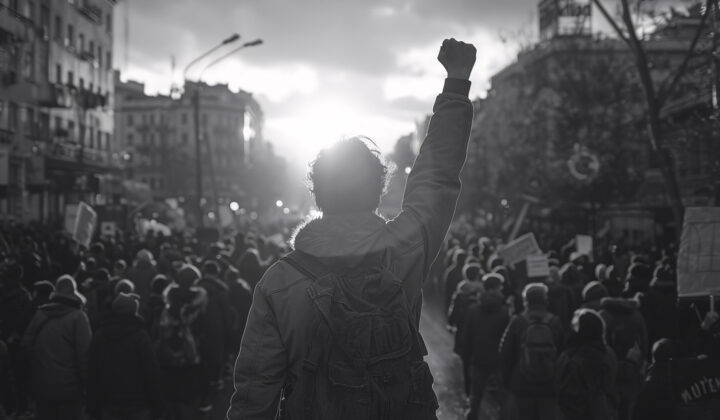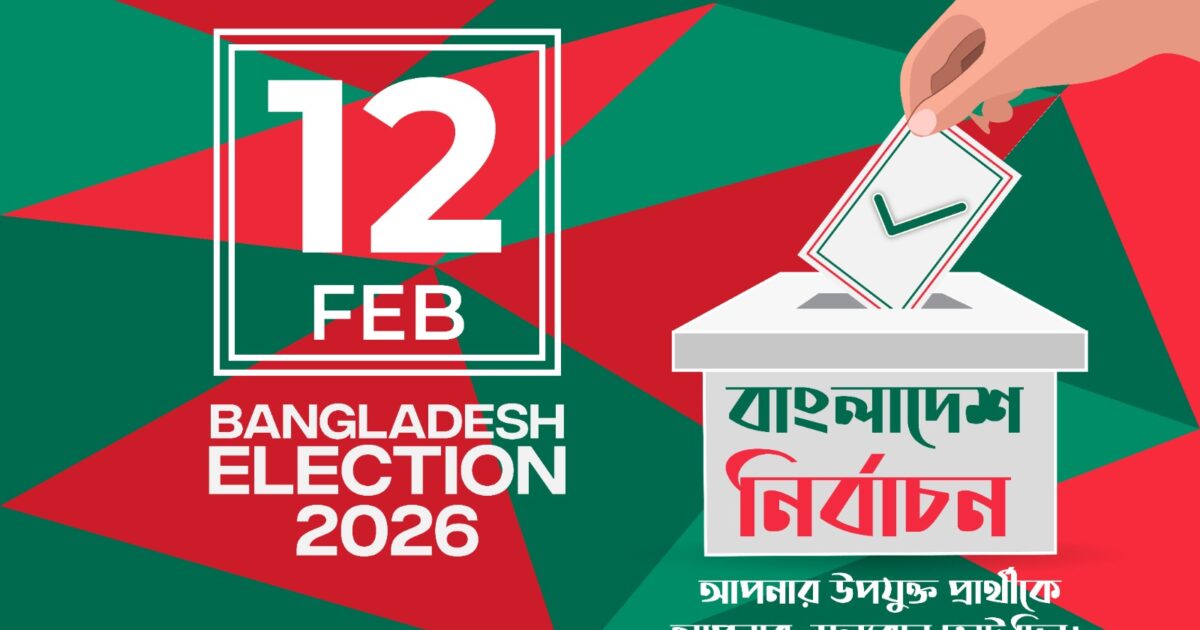
The Bangladesh 13th National Parliamentary Elections, scheduled for 12 February, are the first general election since the 2024 student-led uprising that ousted the Awami League government of former Prime Minister Sheikh Hasina, with the interim government led by Chief Advisor Muhammad Yunus overseeing the transition. MitKat’s Special Advisory for February 2026 captured a period of intensifying campaign activity, heightened security measures and nationwide movement restrictions as the country prepared for polling, a constitutional referendum, and the president’s planned resignation.
Election mechanics and the July Charter referendum
Polling takes place from 0730 to 1630 hours on 12 February across 42,779 polling centres, with votes counted the same day. Alongside the parliamentary vote, a simultaneous referendum will be held on the July Charter, which seeks to amend the constitution by changing the distribution of political power and improving democratic systems. The government has declared 10 February a special holiday for industrial workers, and 11-12 February as national public holidays, while campaigning continues until 0730 hours on 10 February, after which a 48-hour silent period takes effect.
Traffic, movement and public conduct restrictions
The Election Commission has restricted the movement of taxis, pickups, microbuses and trucks, along with launches and engine boats, from 0000 hours on 11 February to 0000 hours on 12 February, while motorcycles face a longer ban from 10 to 13 February; law enforcement, emergency, media and candidate vehicles are exempted subject to approval. Public meetings and processions are prohibited for 48 hours before and after polling, and residents are required to remain in their home constituencies from 10 to 13 February, with strict enforcement against voter intimidation or unauthorised use of weapons.
Sensitive and high-risk areas
Police have identified 13 constituencies across nine districts, including Pabna, Khulna, Patuakhali, Barishal, Tangail, Sherpur, Dhaka, Cumilla and Noakhali, as high risk, with increased surveillance also in place in Gopalganj, Madaripur, Shariatpur and Faridpur due to the presence of the banned Awami League. Section 144 has been enacted around Jamuna, the Chief Advisor’s residence, following protests, and the vicinity of all 42,779 polling centres nationwide is to be treated as a sensitive area during the election period.
Recommendations for organisations and individuals
Organisations are advised to complete urgent banking by 10 February ahead of the public holidays, avoid scheduling critical meetings on polling and result days, prepare for curfews or temporary internet suspension, and consider temporary fencing or boarded windows near polling booths in sensitive areas. Individuals should carry identity documents at all times, prefer public transport given vehicle restrictions, avoid protest venues and sensitive commentary on social media, reach airports well ahead of schedule, and keep emergency numbers and a charged phone on hand while travelling between 10 and 13 February.
Download the full special advisory
MitKat’s Special Advisory on the Bangladesh Elections 2026 provides a full event-date timeline, detailed vehicle and watercraft restriction orders, a high-risk constituency map, and emergency contacts and links for organisations and individuals. Download the full advisory now for the complete analysis.
What is inside
- Bangladesh's 13th National Parliamentary Elections take place on 12 February, the first general election since the 2024 student-led uprising, contesting 300 seats among 127 million registered voters and 1,981 candidates, alongside a simultaneous referendum on the July Charter constitutional reforms.
- With the Awami League banned from contesting, the Bangladesh Nationalist Party (BNP) and Jamaat-e-Islami (JIB) are the two main parties in the fray, and President Md. Shahabuddin has announced he will resign once the election result is released.
- The Election Commission has imposed restrictions on taxis, pickups, microbuses, trucks and watercraft from 11-12 February, and a ban on motorcycles from 10-13 February, alongside a 48-hour public silent period and Border Guard Bangladesh deployment amid rising pre-poll violence.
- Police have identified 13 constituencies across nine districts as high risk, and Section 144 has been enacted around the Chief Advisor's residence; businesses are advised to complete urgent banking by 10 February and prepare for possible curfews or temporary internet suspension.
Filed under: India-South AsiaThreat Intelligence Advisories