What is the Middle East Security Situation 2026?
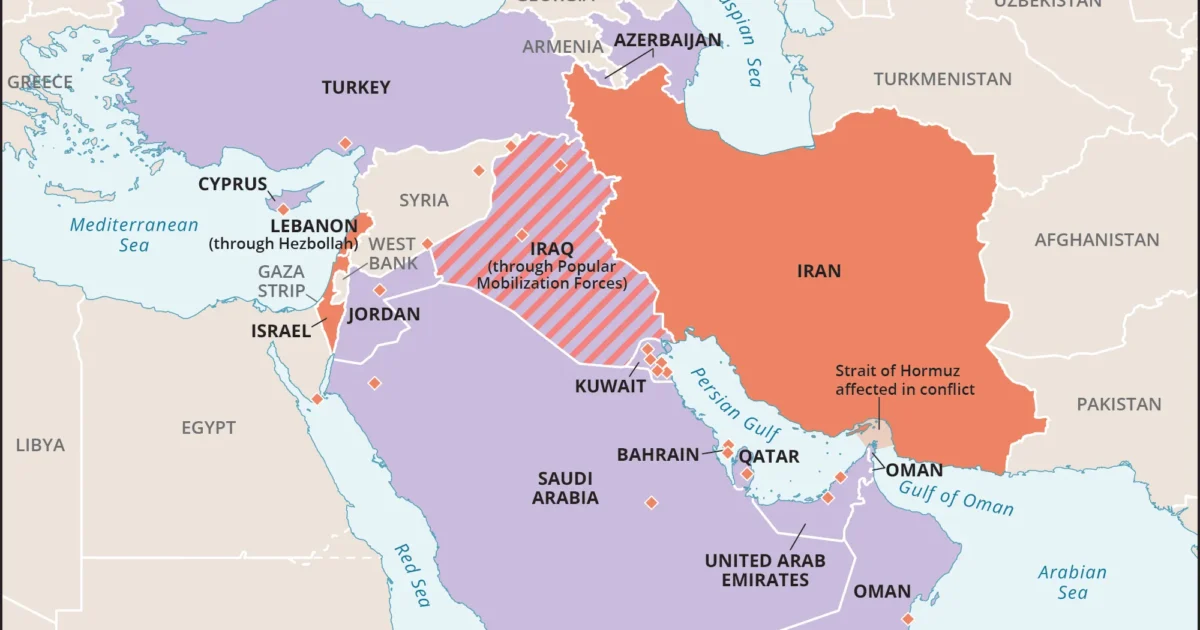
The Middle East Security Situation 2026 refers to the volatile security environment driven by the ongoing confrontation involving Iran, Israel and the US, renewed Houthi attacks in Yemen, and persistent instability across the Levant. The convergence of military activity, diplomatic deadlock and threats to strategic infrastructure has increased the risk of further regional escalation. Developments reported in October 2026 indicate growing concerns regarding Saudi Arabia’s security, the safety of commercial shipping through the Strait of Hormuz and the Red Sea, and the potential for the conflict to disrupt regional aviation, energy infrastructure and international trade. The absence of a durable diplomatic settlement, combined with continued military pressure and retaliatory threats, leaves the regional security outlook uncertain.
What are the latest developments in October 2026?
On 21 October, reports of attacks on commercial vessels and mine-related incidents in the Strait of Hormuz continued to influence maritime risk perceptions and energy markets. On 20 October, Houthi representatives claimed attacks against Saudi energy facilities and airports, including sites associated with Riyadh and Abha; these claims remain unverified by Saudi authorities. Iran maintained its position that negotiations with Washington depended on addressing demands concerning the maritime blockade, sanctions and the cessation of hostilities. A Houthi missile attack struck a residential area in Taiz, Yemen, with the death toll reportedly reaching 60. The United Kingdom announced additional defensive aerial support for Saudi Arabia, including RAF Typhoon patrols and extended refuelling support. On 19 October, reporting highlighted deteriorating security conditions in Yemen following attacks on government-aligned forces and continued fighting around Taiz. On 15 October, reporting indicated that Houthi attacks against Saudi targets were contributing to wider military and economic pressure on Riyadh. On 14 October, two commercial vessels sank near the Strait of Hormuz following projectile strikes, raising serious concerns regarding commercial maritime safety, crew welfare, cargo security and the continuity of shipping operations.
What is the security assessment of Saudi Arabia?
Saudi Arabia’s security environment has deteriorated following intensified Houthi attacks. Saudi civil aviation authorities reported attacks affecting King Khalid International Airport in Riyadh and Abha Airport between 06 and 12 October 2026, with at least 20 people dead and more than 370 injured. The most severe attack was reported on 10 October when a ballistic missile hit King Khalid International Airport (Riyadh), killing 13 and injuring 308 at the Terminal 3–4 complex. Reports indicate that on 15 October, 298 of 366 Riyadh departures (81%) and 552 of 1,178 Saudi departures (47%) were cancelled or not operating. Riyadh airport was closed from 10 to 18 October and has reopened under prior-permission rules, but most foreign carriers have suspended flights for weeks or months. On 13 October, a ballistic missile hit Aramco’s headquarters in Dhahran. The Houthis have stated to airlines and passengers to avoid all Saudi airports except those in Makkah and Madinah. The highest-risk sites are airports in Riyadh, Abha, Dammam and Jeddah; Aramco sites at Yanbu, Shaybah, Ras Tanura and Dhahran; and military bases. The south (Jizan, Najran, Asir) faces the most frequent attacks.
Which countries and regions are affected?
Iran and Israel: Diplomatic negotiations between Iran and the US remain stalled over maritime restrictions, sanctions and the cessation of hostilities. Major confrontations are paused, with indirect talks through Pakistan and Qatar; Pakistan’s army chief visited Tehran on 20 October. Iran stated that Hormuz stays shut until the US accepts its terms. The US is sending a third carrier group, and on 20 October the IRGC Navy claimed a supertanker hit a mine near Hormuz. UKMTO recorded 15 ship attacks between 06 and 14 October. Tehran’s airspace has reopened, but the FAA bars US operators and several states advise against flying there. GCC states: Oman remains relatively stable, with oil earnings rising 81% to more than USD 13 billion and exports rising 28%. The UAE has reported no external attacks in October and its airspace remains open; the Fujairah and Habshan routes are used as bypasses against Hormuz. Bahrain hosts the US Fifth Fleet and remains a likely target if fighting resumes. Kuwait’s airspace has reopened above FL280, and oil production is back to two million bpd, roughly 75% of pre-war levels, though every export still has to pass through Hormuz. Qatar’s Ras Laffan capacity has been cut by about 17%, with repairs expected to take three years. Yemen: Houthi forces continued attacks against Saudi targets amid escalating regional tensions, claiming retaliation for Saudi airstrikes and for the Saudi-backed government counteroffensive near Bab al-Mandeb announced on 04 October. Lebanon, Syria, Iraq, Gaza and the West Bank remain exposed to varying degrees of military escalation, political instability and humanitarian challenges.
What are the impacts on businesses and travel?
Employee safety and duty of care: Employees and contractors operating in or travelling through affected areas may face exposure to missile and drone attacks, airstrikes, falling interception debris and sudden restrictions on movement. Disruption to healthcare services, transport and emergency assistance may further complicate incident response. Office operations and business continuity: Military escalation, transport restrictions, infrastructure damage and employee absences may affect normal office operations. Facilities located near strategic infrastructure or in areas subject to security alerts may require enhanced access controls, temporary restrictions on attendance or precautionary closure. Travel security and personnel movement: Regional escalation may result in sudden changes to travel advisories, border controls, airport access and road movement. Personnel travelling for business may face delays, cancellations, diversions or difficulties securing onward transport. Aviation, logistics and supply chain disruptions: Airspace restrictions, airport closures, maritime insecurity and vessel rerouting may affect the movement of employees, cargo and essential materials across the region. Disruption to the Strait of Hormuz or Red Sea shipping corridors may increase transit times, freight charges and insurance premiums. Energy infrastructure and critical assets: Energy facilities, electricity networks, water systems, telecommunications infrastructure, ports and industrial installations may face direct threats or disruption arising from regional military activity. Communication, remote working and emergency coordination: Reliable communication is essential during periods of heightened security uncertainty. Telecommunications outages, power interruptions, restricted movement and conflicting reports may complicate employee welfare checks and management decisions.
What are the potential escalation scenarios?
Prolonged conflict and continued disruption: Continued military confrontation without a diplomatic settlement may sustain threats to regional infrastructure, aviation and commercial shipping. Further escalation in Saudi Arabia and the Gulf: Additional Houthi attacks against Saudi airports, energy facilities or other strategic assets could prompt further defensive deployments and retaliatory military operations. Expanded maritime disruption: Further attacks on commercial vessels or additional restrictions on navigation through the Strait of Hormuz could disrupt energy shipments and international trade. Wider regional military involvement: Further military escalation could increase the involvement of regional and external powers. On 20 October, Iran stated that Saudi Arabia and the Houthis had not responded to its proposal to mediate talks. Reports indicate that Egypt’s parliament had postponed consideration of potential military action against the Houthis until 26 October. Diplomatic de-escalation: Renewed negotiations and a reduction in attacks could gradually improve regional security conditions, though shipping schedules, insurance costs and business operations may take time to normalise.
What should organisations and individuals do to prepare?
Business continuity and operations: Review and update business continuity plans to account for potential escalation, infrastructure disruption and restrictions affecting regional operations. Identify critical business functions, essential personnel and alternative operating arrangements. Assess dependencies on regional suppliers, ports, airports and transport corridors. Review inventory levels, contractual obligations and contingency budgets. Establish clear criteria for suspending, reducing or resuming operations based on verified security developments. Security and facility protection: Review physical security arrangements at offices, industrial facilities, warehouses and other operational sites. Strengthen access control, visitor management and coordination with local security providers. Monitor official security advisories concerning missile and drone threats, airspace restrictions, maritime incidents and changes to local movement conditions. Verify the operational status of airports, ports and critical infrastructure before approving personnel movements or cargo transfers. Human resources and employee safety: Establish regular welfare checks for personnel in locations experiencing heightened security concerns. Provide employees with destination-specific security briefings, emergency contact details and clear instructions for reporting incidents. Review medical assistance, emergency accommodation, evacuation support and insurance arrangements. Individual preparedness: Ensure employees are familiar with local emergency procedures, official warning systems and designated shelter locations. Keep identification documents, essential medication, emergency contacts and travel documents readily accessible. Maintain access to a charged mobile phone, a power bank and alternative communication methods. Follow instructions issued by local authorities and avoid restricted areas, military installations and locations affected by active hostilities. Supply chain and critical infrastructure: Identify critical suppliers, logistics providers and transport routes exposed to disruption in the Strait of Hormuz, Red Sea and surrounding regions. Evaluate alternative suppliers, shipping routes and ports for essential cargo. Monitor changes to freight rates, insurance conditions, vessel schedules and delivery commitments. IT infrastructure and cybersecurity: Review cybersecurity monitoring for suspicious activity, phishing attempts and potential attacks targeting organisations associated with the regional conflict. Enforce multifactor authentication, secure remote access and appropriate restrictions on privileged accounts. Maintain tested backups of critical data and verify recovery procedures. Establish procedures for responding to network outages, suspected cyber incidents and loss of access to critical applications.
Frequently asked questions
What are the latest developments in the Middle East in October 2026?
Houthi attacks on Saudi airports and energy facilities, vessel attacks in the Strait of Hormuz, stalled Iran-US negotiations, and additional UK defensive support for Saudi Arabia.
Which airlines have suspended flights to Saudi Arabia?
Cathay Pacific (until 31 January 2027), Delta Air Lines (launch moved to March 2027), Philippine Airlines (29 November), Lufthansa (18 November for Riyadh, 30 November for Dammam), British Airways (limited service from 3 November), KLM (31 October), Air France (24 October), IndiGo (24 October) and Etihad (24 October).
What are the highest-risk sites in Saudi Arabia?
Airports in Riyadh, Abha, Dammam and Jeddah; Aramco sites at Yanbu, Shaybah, Ras Tanura and Dhahran; and military bases. The south (Jizan, Najran, Asir) faces the most frequent attacks.
What should travellers do?
Monitor official Saudi announcements and government travel advisories, confirm flight status directly with airlines before travel, and review arrangements for employee accountability, emergency communications and remote working.
Download the full advisory now
MitKat’s Special Report on the Middle East Security Situation and Escalation Risks carries the complete timeline, country-by-country risk assessment and recommendations. Download the full report now to brief your strategy and continuity teams.
Filed under: EMEAThreat Intelligence Special Reports