What is planned for Indonesia May Day 2026 and what are workers demanding?
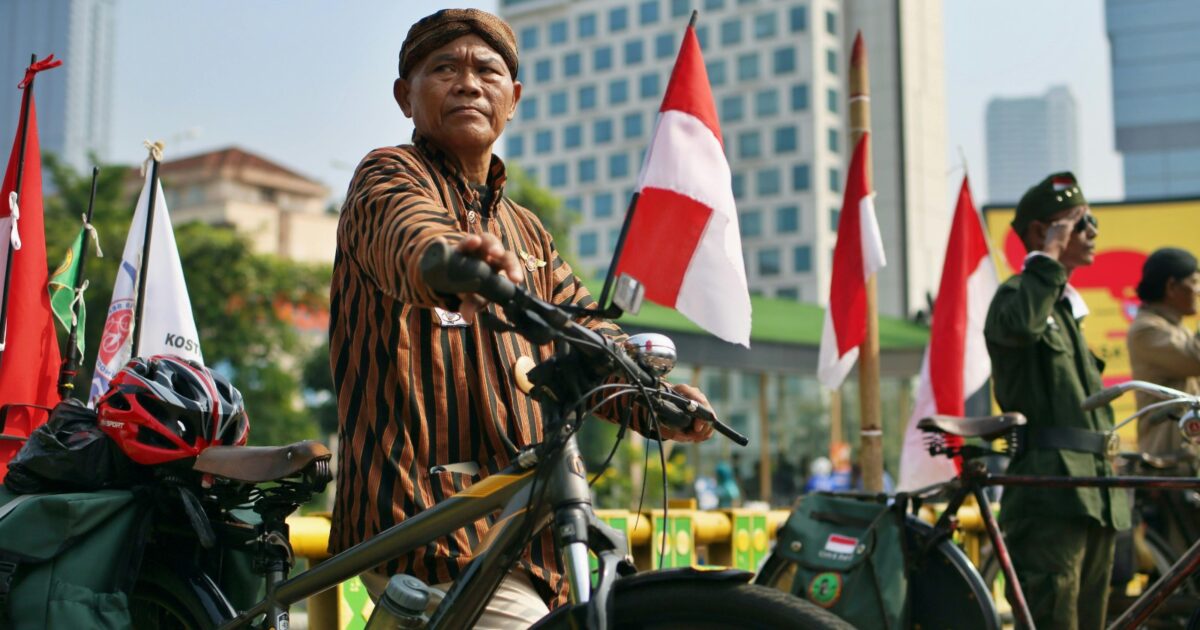
On Friday, 1 May, labour groups are expected to mobilise across all 38 provinces, coordinated primarily by the Confederation of Indonesian Trade Unions (KSPI) and the Labor Party. Localised traffic disruption, temporary road closures and congestion are expected from protest activity and holiday travel, brief disruption to business operations is possible near large gatherings, and security forces in several regions have held drills and simulations. Unions have set out eight core demands: a new employment bill aligned with recent Constitutional Court rulings; abolition of outsourcing and rejection of low wages (HOSTUM); a special task force to prevent layoffs in labour-intensive sectors; tax reform raising the non-taxable income threshold to IDR 7.5 million; a domestic workers bill; an asset confiscation bill to strengthen anti-corruption measures; expanded government-backed job creation; and minimum wage increases aligned with 2026 living costs. The agenda reflects concern over job security, cost of living and changes to labour regulation.
Where will the biggest protests take place in Jakarta and Banten?
Jakarta is expected to host the largest mobilisation, with demonstrators gathering at the DPR RI building from 1000 to 1200 hours WIB before marching to Istora Senayan. Primary roads affected are Jl. Gatot Subroto, Jl. Palmerah Timur and Jl. Gerbang Pemuda, with secondary impact on the Thamrin–Medan Merdeka corridor, the Senayan area and routes to the Tangerang and Kebon Jeruk toll. Participants from Banten are expected to join, raising crowd volumes and pressure on the western approaches to the capital, and special traffic arrangements are in place for toll access routes. Traffic diversions may be introduced depending on crowd size, and motorists are advised to avoid the State Palace and DPR/MPR areas during protest hours. Banten Police have a four-stage security plan: green, with women negotiators and initial crowd-control units; yellow, with advanced crowd-control units if tensions rise; red, with Brimob anti-riot units if violence such as arson or vandalism begins; and a final option of firearms only if there is a direct threat to officers or the public.
What is expected in Bandung, Surabaya, Bali and other cities?
In West Java, gatherings are expected at Gedung Sate and the DPRD in Bandung, where police ran a crowd-control simulation at Tegalega Field on 22 April, and at the Regent’s Office in Majalengka, organised by SPN and FSPMI unions. Surabaya expects elevated congestion around the East Java Governor’s Office on Jl. Pahlawan, with authorities identifying 22 traffic points, and Cilacap in Central Java will see a moving convoy of up to 700 participants converging on Alun-Alun Cilacap. Bali is expected to be relatively peaceful, with limited demonstrations at Bajra Sandhi Field in Denpasar. Medan, Palembang and Palangka Raya expect low to moderate disruption around governor’s offices and DPRD buildings. Makassar is the only major city adopting a festival-style format, at Karebosi Field, with no marches.
What are the business continuity risks?
The main risk is localised, short-term disruption rather than a prolonged nationwide shutdown. Traffic is likely around the DPR RI area in Jakarta, provincial governor’s offices, legislative buildings and central public squares, so manufacturing, retail and logistics operators should expect slower goods movement because of closures and congestion on urban access roads. Commuting may be affected by diversions, protest-related congestion and security cordons, and offices, factories, warehouses and retail sites near protest areas face temporary access restrictions and interruptions to time-sensitive services. Mobilisation, convoy movements or follow-on actions may continue from 30 April through 2 May, and the public holiday and possible extended weekend raise congestion on toll roads, railway stations, ferry terminals and airports. Opportunistic cyber risks such as phishing and fraudulent messages also tend to increase over public holidays.
What should organisations and individuals do to prepare?
Organisations should avoid outdoor corporate events and large in-person activities, particularly in central business districts and near protest locations in Jakarta, Surabaya, Bandung, Medan and Palembang, and should track local developments from 30 April through 2 May. Those operating on 1 May should arrange transport support or flexible reporting times, adjust field deployments and delivery windows, review contingency measures, brief security teams and reinforce access control at sites near protest areas, and keep staff informed about disruption areas and remote-work options. Individuals should avoid protest sites, marches and large gatherings, with extra caution around the DPR RI area, Senayan and the Thamrin corridor in Jakarta. If driving through demonstrations, stay in the vehicle with windows closed; check live traffic and transport operator updates; follow police and local authority instructions; avoid public discussion of sensitive labour or political issues; verify messages and payment requests; and keep phones charged.
Frequently asked questions
When do Indonesia May Day 2026 protests peak in Jakarta?
The main Jakarta rally runs from 1000 to 1200 hours WIB on 1 May at the DPR RI building, followed by a march to Istora Senayan, while peak times for most other cities were still to be confirmed at the time of the advisory.
Which Indonesian city is using a festival format instead of street protests?
Makassar will hold “May Day Fest 2026” at Karebosi Field, organised by the Mayor in coordination with labour unions, with no marches planned.
What are the emergency contact numbers in Indonesia?
Emergency services (national): 112. Police: 110. Ambulance and medical emergency: 118 or 119. Fire brigade: 113. Search and rescue (BASARNAS): 115.
Download the full advisory now
datasurfr’s Special Advisory on Indonesia May Day 2026 carries the complete city-by-city focal points and road lists, the protest hotspot table, the map of impacted locations and the full recommendations and contacts. Download the full advisory now to brief your operations and security teams.
Filed under: APACThreat Intelligence Advisories