What is Holi and when does it take place in 2026?
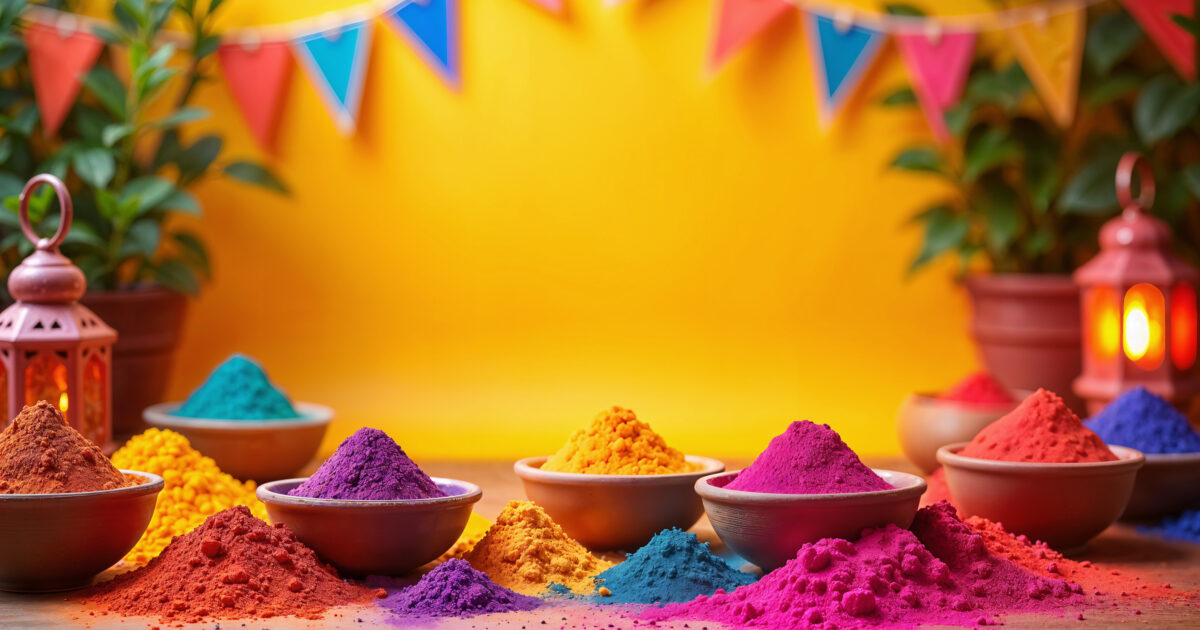
Holi 2026 falls on 04 March, with Holika Dahan, the religious bonfire, taking place the evening before on 03 March. Holi, also known as Rangwali Holi, is a Hindu festival celebrated annually during the Phalguna month, marking the start of spring. Since Holi is a gazetted holiday in most states, schools, government offices and banks are highly likely to be declared closed. The festival involves elaborate celebrations with friends and family playing with colours, socialising and holding processions, but these festivities can also bring petty crime, harassment against women, alcohol abuse and incidents of spiking, requiring increased vigilance. This year, additional security concerns arise because the festival coincides with Shab-e-Baraat and the holy month of Ramadan, prompting authorities to strengthen deployments and issue additional conduct guidelines. Indian Railways has deployed an additional 1,244 special trains to accommodate the resulting rise in passenger traffic.
Which areas in Mumbai and Pune will see the most disruption?
Maharashtra, including Mumbai and Pune, has designated 04 March a dry day. In Mumbai, heavy traffic and congestion are likely near malls, parks, beaches and community centres, particularly around Malad, Juhu (including JVPD Grounds and Juhu Beach), Bandra Kurla Complex, Goregaon, Andheri, Navi Mumbai, Thane and other residential areas. In Pune, the Pune Municipal Corporation (PMC) has issued a safety advisory for Holi celebrations on 03-04 March, urging residents to protect trees, follow fire-safety norms and use eco-friendly colours; PMC has separately warned citizens against cutting or damaging trees without permission, with strict action promised against violators, and under the Tree Protection Act, illegal tree cutting, burning or damaging trees is a punishable offence carrying penalties of up to INR 1,00,000. Heavy traffic and crowding are likely in Hinjewadi, Balewadi, Kharadi, Hadapsar, Viman Nagar grounds and Koregaon Park, and near palace grounds, historic sites, parks and resorts. Businesses with offices or staff movement through these corridors should expect delays around peak celebration hours on 03 and 04 March rather than sustained disruption, with secondary congestion possible on alternative routes as residents avoid the busiest areas.
What about Delhi and Lucknow?
In Delhi, police personnel are expected to be deployed at major road intersections to check drunk driving and traffic violations, which may lead to localised congestion; Delhi Metro services are also likely to be suspended on the morning of 04 March, returning to normal in the afternoon. Large crowds are expected to draw near central and historic sites, with heavy footfall likely around India Gate, Connaught Place, Jawaharlal Nehru Stadium and other stadiums, grounds and gardens. In Lucknow, heavy traffic and congestion are expected in Gomti Nagar, Golf City, Chowk and Hazratganj, consistent with previous years’ celebration patterns. An additional 321 special long-distance buses have been scheduled to accommodate increased demand, and Lucknow police are likely to impose Section 163, restricting large gatherings. The wider Uttar Pradesh government has declared a holiday on 02 and 04 March, with parking restrictions likely near major temples in the Braj region, including in Mathura, Vrindavan and Barsana.
What are the business continuity risks?
The principal operational risk is short-term delay rather than sustained city-wide disruption, but this risk increases for journeys to airports, railway stations, bus terminals or workplaces that intersect with affected corridors, particularly on 03 and 04 March. Overcrowding and reduced availability of public transport can push commuters onto private vehicles and alternative routes, creating secondary congestion even outside celebration areas. This year, the coincidence of Holi 2026 with Shab-e-Baraat and Ramadan raises the additional risk of communal or local disorder; in Bihar, for example, riot control units are expected to be placed on 24-hour standby alongside special checking squads at sensitive locations. Crowded pandals, markets and public spaces also raise the risk of petty and cyber crime, while rising air-pollutant levels and colour-related skin or respiratory irritation can affect workforce attendance in the days around the festival.
What should organisations and individuals do to prepare?
Organisations operating during the festival period are advised to offer flexible or staggered working arrangements, provide transportation facilities for employees commuting through popular celebration sites, and keep adequate backup power supply in place. Given that the risk of communal or local disorder cannot be ruled out this year, organisations should prepare contingency and mitigation measures in advance. Offices celebrating on-site should set clear compliance rules, such as respecting employees who do not wish to participate and using only organic colours, and should designate a play area away from workspaces and equipment. Individuals should remain mindful of their surroundings in crowded areas, use organised or trusted transport during late evening hours, save emergency contacts in advance, avoid isolated or poorly lit routes, and store electronics, identification and cash in sealed waterproof pouches.
Frequently asked questions
When is Holi in 2026, and when is Holika Dahan?
Holi falls on 04 March 2026, with Holika Dahan, the religious bonfire, taking place the evening before on 03 March.
Are there traffic or metro restrictions during Holi?
Yes. Delhi Metro services are likely to be suspended on the morning of 04 March, Maharashtra has designated 04 March a dry day, and parking and vehicle restrictions are expected near major temples in Uttar Pradesh’s Braj region.
What are the emergency contact numbers for Delhi, Mumbai, Pune and Lucknow?
Nationwide: Police 100, Fire 101, Ambulance 108, Emergency (ERSS) 112, Tourist Helpline 1363, Women Helpline 1091 and Senior Citizen Helpline 14567.
Download the full advisory now
datasurfr’s Special Advisory on Holi 2026 carries the complete state-by-state guidelines, health and travel precautions, and a detailed emergency contacts directory. Download the full advisory now to brief your travel and continuity teams.
Filed under: India-South AsiaThreat Intelligence Advisories