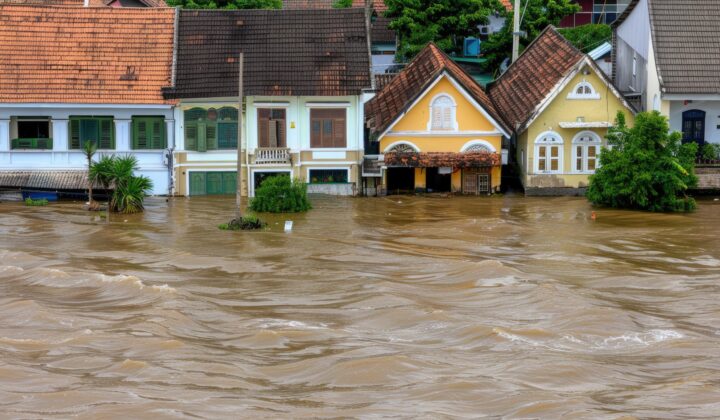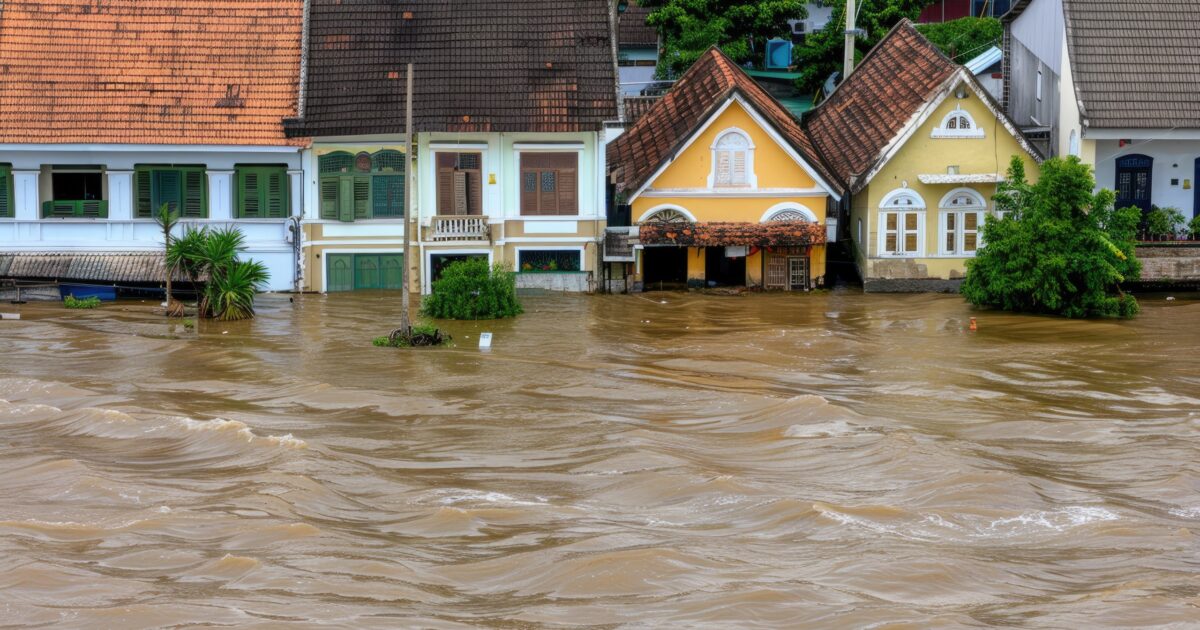
Jakarta’s rainy season delivered its first major test of 2026 on 12 January, when moderate to heavy rain accompanied by lightning and strong winds triggered localised flooding across residential areas and major roads near river systems such as the Kali Krukut. For businesses operating in the Indonesian capital, the event is a reminder that flood risk in Jakarta is now a recurring operational variable rather than an occasional disruption.
Rainfall and flooding across the city
The DKI Jakarta Regional Disaster Management Agency forecast moderate to heavy rainfall with lightning and strong winds until 1700 hours local time on 12 January, with impacted locations spanning Kalideres and Penjaringan in North Jakarta, Cengkareng, Grogol Petamburan, Kebon Jeruk and Kembangan in West Jakarta, and Pesanggrahan in South Jakarta. By 1100 hours, 19 localities across six South Jakarta villages were flooded with water levels of 40 to 95 centimetres, while three localities in Tanjung Priok, North Jakarta, saw levels of 20 to 40 centimetres.
Floodgate alerts and transport disruption
By midday, Alert 4, the highest level, was activated for the Katulampa, Depok, Manggarai and Pulo Gadung floodgates, with Alert 3 in force for Karet, Krukut Hulu, Pesanggrahan, Angke Hulu, Waduk Pluit, Pasar Ikan and Cipinang Hulu. Transjakarta corridors 5C, 7C, 9C and 10C all faced delays, alongside nine further bus routes affecting travel to Cililitan, Juanda, Cibubur, Pancoran, Pondok Kelapa, the KCJB Halim Station and Depok.
Risk implications for business operations
Flooded roads and suspended transport routes can affect employee mobility, interrupt supply chains and limit access to facilities, while low-lying premises face an elevated risk of water intrusion damaging equipment, inventory and IT infrastructure. Power outages and electrical hazards can compound operational disruption, and organisations may face increased costs from overtime wages, damage repair and alternate logistics routing, alongside reputational and compliance pressure during extreme weather events.
Recommendations
Organisations should activate remote-working options where feasible, identify alternate office or warehouse locations outside flood-prone zones, and elevate critical equipment while securing electrical systems and deploying sandbags or pumps where necessary. Utility backup, data protection, alternate logistics routing and a dedicated line for employee updates and incident reporting are all recommended, alongside close monitoring of official BPBD and traffic police channels for the latest conditions.
Download the report now
The MitKat Risk Flash on the Jakarta rainfall event includes a full breakdown of affected localities, floodgate alert levels and transport disruptions, plus direct contact details for a detailed special advisory. Download the full report now for the complete picture.
What is inside
- Moderate to heavy rainfall since early morning on 12 January flooded 22 neighbourhoods and 33 roads across Jakarta, with South Jakarta and North Jakarta hit hardest.
- Floodgate alerts reached the highest level, Alert 4, at Katulampa, Depok, Manggarai and Pulo Gadung, with South Jakarta water levels reaching 40 to 95 centimetres.
- Delays hit four major Transjakarta bus corridors and nine other routes, affecting travel to Cililitan, Juanda, Pancoran, Depok and other areas.
- Flooded roads and suspended transport routes carry elevated risk of supply chain interruption, asset damage and power outages for businesses in low-lying areas
Filed under: APACThreat Intelligence Advisories