What is Zambia Parliamentary Elections 2026?
Zambia Parliamentary Elections 2026 is the general election scheduled for 13 August 2026, in which voters will elect the President, Members of the National Assembly, mayors or council chairpersons, and councillors. The election will determine whether President Hakainde Hichilema and the ruling UPND secure a second term to continue their reform agenda, or whether the opposition gains sufficient support to change Zambia’s economic and governance priorities. The vote is expected to focus on economic recovery, the rising cost of living, governance and democratic reforms, unemployment, public service delivery, and foreign investment. The 2026 elections are also likely to reflect public opinion on the government’s economic policies, allegations of increasing executive centralisation, and Zambia’s foreign policy orientation.
When and where will the elections take place?
The elections are scheduled for 13 August 2026. Polling stations will open nationwide from 0600 hours local time (0400 hours UTC) to 1800 hours local time (1600 hours UTC). The official launch and opening of the National Result Centre in Lusaka is scheduled for 11 August 2026. Receipt, collation, and official verification of election results at the National Results Centre will take place from 15–17 August 2026. The official declaration of election results by the Electoral Commission of Zambia (ECZ) is scheduled for 17 August 2026. Formal publication of election results in the Government Gazette and public records will follow from 17–24 August 2026. Zambian citizens residing abroad cannot vote from foreign polling locations; voting must take place at designated polling stations within Zambia.
What are the key issues?
The economy: The Hichilema government has delivered improvements in macroeconomic indicators, including lower inflation, stronger GDP growth, debt restructuring, and renewed mining investment. However, many households continue to experience weak purchasing power, high youth unemployment, income inequality, and persistent rural poverty. Mining and copper: Copper remains the cornerstone of Zambia’s economy, accounting for over 10% of GDP and approximately 70% of export earnings. The election outcome is expected to shape mining policy, foreign investment, energy infrastructure development, and relations with Western and Chinese investors. Governance and democratic institutions: Opposition parties and civil society organisations have expressed concerns over restrictions on political activity, cyber legislation, and public order regulations. Electoral environment: Public confidence in the electoral process remains relatively positive, although perceptions differ across political affiliations. Civil liberties and regulatory environment: The Cyber Security Act and Cyber Crimes Act have attracted scrutiny regarding freedom of expression, privacy, and political activity. Environmental and mining governance: Environmental governance remains under scrutiny following the 2025 acid spill in the Copperbelt and lead contamination in Kabwe. Human rights: Freedom of expression, judicial independence, and minority rights continue to receive attention from domestic and international stakeholders.
What are the possible outcomes?
Most likely: The UPND, led by President Hichilema, is expected to remain the leading contender. Brian Mundubile of the Tonse-Pamodzi Alliance is expected to emerge as the principal opposition challenger. Moderately likely: Hichilema secures the highest share of votes but fails to obtain the more than 50% threshold required for an outright victory, resulting in a presidential run-off. Least likely: A highly fragmented presidential result in which neither Hichilema nor Mundubile establishes a decisive lead could result in a run-off and increased political bargaining. The continued presence of multiple opposition alliances could limit the ability of opposition parties to consolidate the anti-UPND vote. Smaller opposition candidates could become influential if the election proceeds to a second round.
What are the security and stability risks?
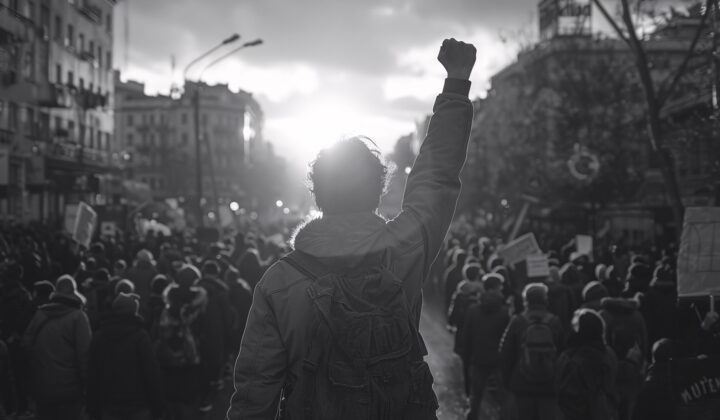
Political violence remains a key election-related risk, particularly during rallies and in areas where competing parties have strong support bases. Misinformation, disinformation, and hate speech are expected to increase, particularly through social media. Cybersecurity and digital disruption risks include cyberattacks, account compromise, and coordinated online manipulation. Protests and post-election unrest remain likely if parties or supporters dispute polling procedures, preliminary results, or the final outcome. Political and social polarisation could heighten tensions during the final campaign period. Law enforcement and security measures: The Zambia Police Service has warned political actors against violence and intimidation, while security agencies have been placed on heightened readiness before, during and after polling. Joint election-security training has been undertaken, and police presence will be increased with permanent checkpoints and mounted patrols.
What are the impacts on businesses and individuals?
Temporary traffic restrictions and congestion may occur in Lusaka, particularly around polling stations, political party offices and government facilities. Movement along the Lusaka–Mumbwa Road may be disrupted, while the Lusaka–Livingstone corridor may experience delays around Mazabuka and Choma. Freight movement along the T2 Great North Road may face delays around Kabwe and Kapiri Mposhi. Mining and industrial operations in Kitwe, Ndola, Chingola, Mufulira and Luanshya may experience temporary workforce or logistics disruptions. Commercial traffic through Kasumbalesa, Nakonde, Chirundu and Kazungula may face additional security checks. Employees travelling to workplaces in Lusaka and the Copperbelt may experience commuting delays. Banks, mobile-money agents and businesses may experience temporary increases in demand for cash. Government offices may experience delays in routine administrative services. Post-election: Victory rallies or demonstrations may occur in Lusaka, potentially resulting in temporary road closures. A presidential run-off would extend campaign activity beyond 13 August and may prolong movement restrictions and business uncertainty.
What should organisations and individuals do to prepare?
Individuals should avoid non-essential travel near political party offices, government buildings and major public gatherings in Lusaka, Mumbwa, Mazabuka, Choma and Chavuma on election day and during the announcement of results. Allow additional travel time on routes connecting Lusaka with Mumbwa, Kabwe, Kapiri Mposhi, Mazabuka and Choma. Monitor ECZ, Zambia Police Service and local news updates. Exercise caution with election-related messages and links to reduce exposure to phishing and misinformation. Avoid political rallies, demonstrations and large gatherings if tensions increase. Businesses should pre-identify alternative routes for freight and staff movement between Lusaka, Kabwe, Kapiri Mposhi and the Copperbelt. Critical shipments may be scheduled before or after 13 August. Businesses operating in Kitwe, Ndola, Chingola, Mufulira and Luanshya should review contingency arrangements. Businesses in Lusaka should establish alternative access arrangements for offices near government buildings and political party offices. Enhanced monitoring for phishing, malware and election-themed scams is recommended. Clear access protocols for offices near polling stations are advised. Warehouses and critical facilities may be secured. Staff training on emergency response is recommended.
Frequently asked questions
When are the Zambia Parliamentary Elections 2026?
They are scheduled for 13 August 2026, with polling stations open from 0600 to 1800 hours local time.
Who are the main candidates?
Incumbent President Hakainde Hichilema of the UPND and Brian Mundubile of the Tonse-Pamodzi Alliance are the leading contenders.
What happens if no candidate wins more than 50%?
A second-round election is held within 37 days between the two leading candidates.
What are the emergency contact numbers?
Police: 991; Fire: 993; Ambulance: 992; Human Rights Commission: 8181; Department of Immigration: +260 211 428800.
Download the full advisory now
MitKat’s Special Advisory on the Zambia Parliamentary Elections 2026 carries the complete election timeline, forecast scenarios, security assessment and recommendations. Download the full advisory now to brief your travel and continuity teams.
Filed under: AmericasThreat Intelligence Advisories