KEY TAKEAWAYS:
- The Anak Krakatau eruption of 4–6 September sent ash plumes up to 50,000 feet and closed eight Indonesian airports.
- Over 1,500 flights were cancelled or delayed, stranding approximately 170,000 passengers.
- Indonesia’s Karhutla fire season had burned roughly 202,000 hectares nationally by 18 August.
- The volcano remains at Alert Level 3 with a 3-kilometre exclusion zone, and no casualties were reported.
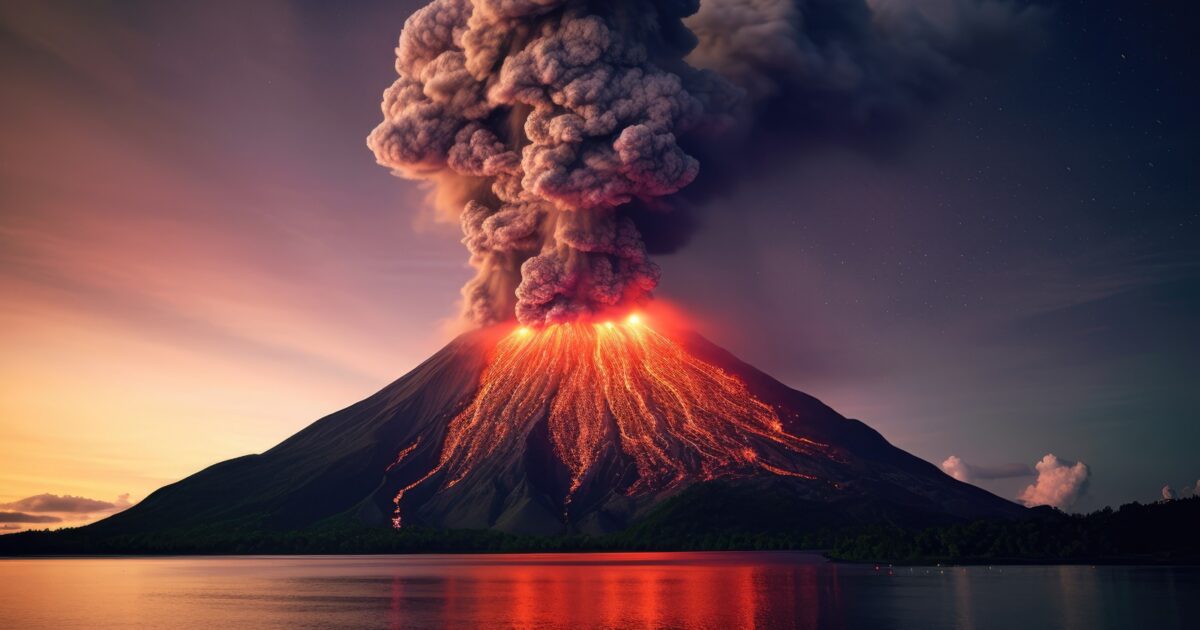
The Anak Krakatau eruption is the powerful explosive event at Indonesia’s Sunda Strait volcano between 4 and 6 September 2026, which sent ash plumes up to 50,000 feet and disrupted air travel across western Indonesia. It coincides with the country’s worst transboundary haze crisis in a decade.
How much air travel was disrupted?
AirNav Indonesia suspended operations across eight airports, including Jakarta’s Soekarno-Hatta and Halim Perdanakusuma hubs and Radin Inten II in Lampung. Over 1,500 flights were cancelled or delayed, stranding approximately 170,000 passengers, with cascading schedule delays reaching Bali and Medan.
What is the current alert level?
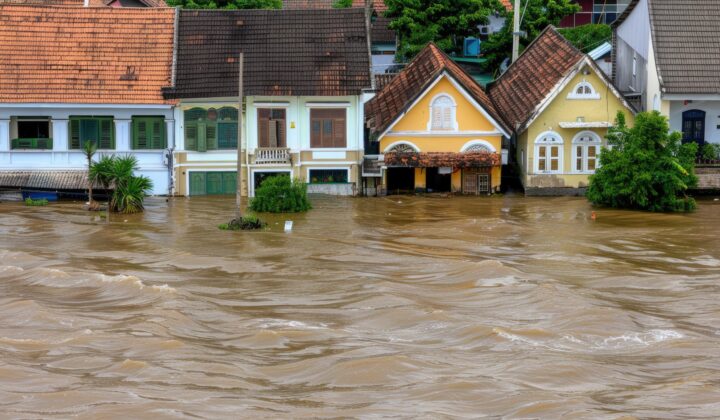
Alert Level 3 (Siaga), with an exclusion zone requiring residents and visitors to stay at least 3 kilometres from the active crater. BNPB and the Geological Agency issued no immediate tsunami threat. Sustained high-amplitude tremors and sub-Plinian explosions could force an upgrade to Alert Level 4 (Awas).
How severe is the Karhutla haze?
Indonesia’s forest and land fire season had burned roughly 202,000 hectares nationally by 18 August. The Ministry of Forestry’s SiPongi system recorded 674 high-confidence hotspots on 6 September, up from 558 the previous day, with Central Kalimantan alone at 243. Sarawak’s Serian Division declared a state of emergency on 4–5 September.
What are the health impacts?
East Kalimantan recorded about 9,499 cumulative acute respiratory infection cases by 3 September, while Pekanbaru was seeing roughly 300 new cases daily. Thick ashfall across Banten, Jakarta and Lampung prompted eye and respiratory warnings, and schools in affected zones moved temporarily to online learning.
What should organisations do?
Monitor BMKG, BNPB and PVMBG advisories for hazard-level changes and exclusion-zone updates. Allow additional travel time in Sumatra, Kalimantan and around the Sunda Strait, pre-position critical deliveries, and stock masks, drinking water and first-aid materials at exposed facilities. Verify backup power and communications at critical sites.
Frequently asked questions
When did Anak Krakatau erupt?
The main continuous phase of the Anak Krakatau eruption began on 4 September 2026 at around 1620–1630 UTC and lasted about 25 hours before reverting to lower-level intermittent Strombolian activity in the early hours of 6 September.
Were there any casualties?
No casualties or direct injuries were reported. The nearest permanent human settlements lie more than 16 kilometres from the island crater.
Is there a tsunami risk in the Sunda Strait?
No immediate threat was issued. However, rapid cone deformation could increase the risk of a major flank collapse and submarine landslide, which would raise tsunami hazards for coastal Banten and Lampung.
Download the full report now
MitKat’s Risk Flash on the Anak Krakatau eruption and Karhutla haze carries the full threat profile, hotspot data by province, government response measures and official monitoring links. Download the full report now to brief your travel and business continuity teams.
Filed under: APACThreat Intelligence Advisories