
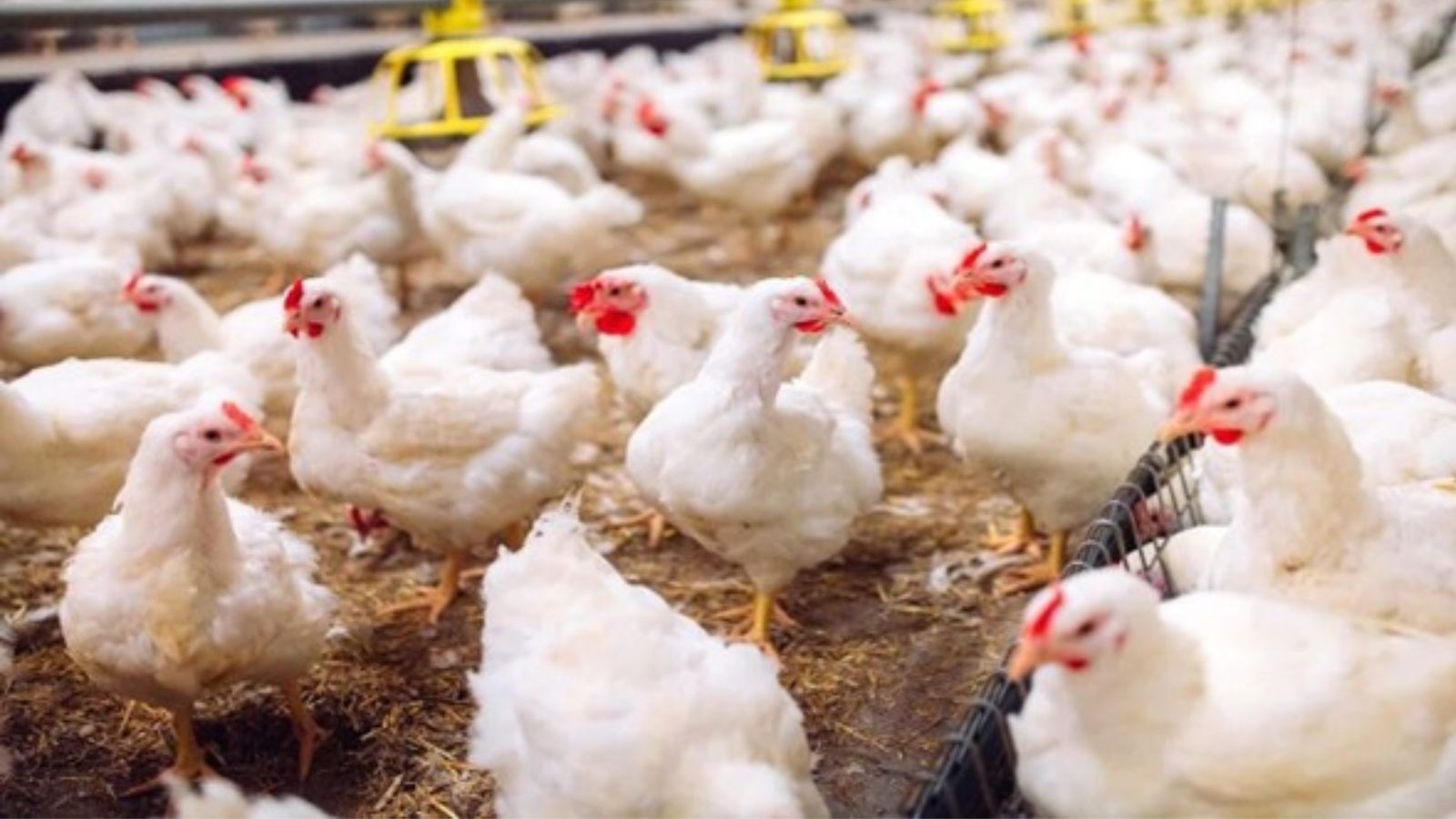
Executive Summary for the Avian Influenza Containment Measures
Authorities in Puducherry and parts of coastal Andhra Pradesh have issued advisories and implemented containment measures following detection of avian influenza risks during the migratory bird season. The situation presents a moderate, localized risk window of two to six weeks, primarily affecting poultry farms, live-bird markets and communities near wetlands. While widespread human transmission remains unlikely based on historical patterns, targeted operational and public health impacts are expected if additional detections occur.
- Event Date: 10 February
- Location: Andhra Pradesh and Puducherry, India
- Risk Category: Health
- Severity Level: 3 / 5
- Confidence Score: 70 %
Operational Context
Coastal Andhra Pradesh and Puducherry lie along established migratory bird routes, with wetlands and lakes that routinely attract large seasonal bird populations. Historically, avian influenza outbreaks in this region have coincided with migratory seasons, leading to localized poultry culling, market restrictions and heightened public health surveillance. Past incidents demonstrate that early containment and coordinated animal–human health monitoring are critical to preventing wider economic disruption and maintaining public confidence in food supply chains.
Known Hotspots & Sensitive Zones
- High-impact zones: Coastal wetlands and bird congregation sites such as Pulicat Lake and Ousteri Lake, along with poultry farms and live-bird markets in nearby districts.
- Medium-impact areas: Surrounding municipal markets, poultry distribution hubs and feeder roads servicing affected farms.
- Low-impact areas: Inland districts with limited interaction between wild birds and commercial poultry.
Recurrence patterns indicate elevated risk during migratory seasons, with sporadic outbreaks historically recorded in similar geographies.
Impact on Transportation & Services
No major road, rail or air transport disruptions have been reported. However, localized access controls may be imposed near affected farms, wetlands and markets during culling and surveillance operations. Poultry supply chains face short-term disruption due to movement restrictions, certification requirements and consumer caution. Digital and communications systems are unaffected, though demand for clear, consistent public messaging remains high to prevent misinformation and market panic.
Recommended Action
- Organizations with exposure in affected regions should activate site-level avian influenza response and business continuity plans, prioritising biosecurity and employee protection.
- Immediate steps include suspending non-essential site visits, enforcing personal protective equipment for front-line workers and implementing daily health screening.
- Supply chains should be diversified, alternative vendors validated and logistics routes adjusted to comply with containment measures.
- Coordination with state animal husbandry departments, local health authorities and disaster management agencies is essential for compliance, reporting and situational awareness.
Multi-Dimensional Impact
A nationwide general strike scheduled for 12 February could compound poultry movement restrictions, potentially delaying feed imports and outbound distribution. Combined effects may increase operational strain for forty-eight to seventy-two hours, particularly for time-sensitive supply chains.
Emergency Contacts
- Emergency Number: 112
- Department of Animal Husbandry: dahd.gov.in/
Situational Outlook
The most likely trajectory involves continued localized containment with active surveillance over the next several weeks, limiting spread beyond identified coastal clusters. A moderate escalation remains possible if additional poultry outbreaks emerge, while a severe scenario involving human clusters is assessed as low probability but would prompt stricter inter-district controls and national-level intervention.
Strategic Takeaway
The current avian influenza situation represents a manageable but time-sensitive health and operational risk. Proactive biosecurity coordinated One Health surveillance and transparent communication will be decisive in limiting disruption. For businesses and policymakers, sustained monitoring and early-warning capabilities, supported by preparedness tools such as MitKat’s Datasurfr, remain essential to navigating seasonal zoonotic risks effectively. Stay ahead of operational risks with real-time alerts, scenario modeling, and expert advisories with datasurfr’s Predict. Start your 14-day free trial of Datasurfr’s Risk Intelligence Platform today.
Tags: Chennai bird flu newsH5n1 bird flu chennaiH5n1 bird flu chennai hindi
Share on WhatsApp