
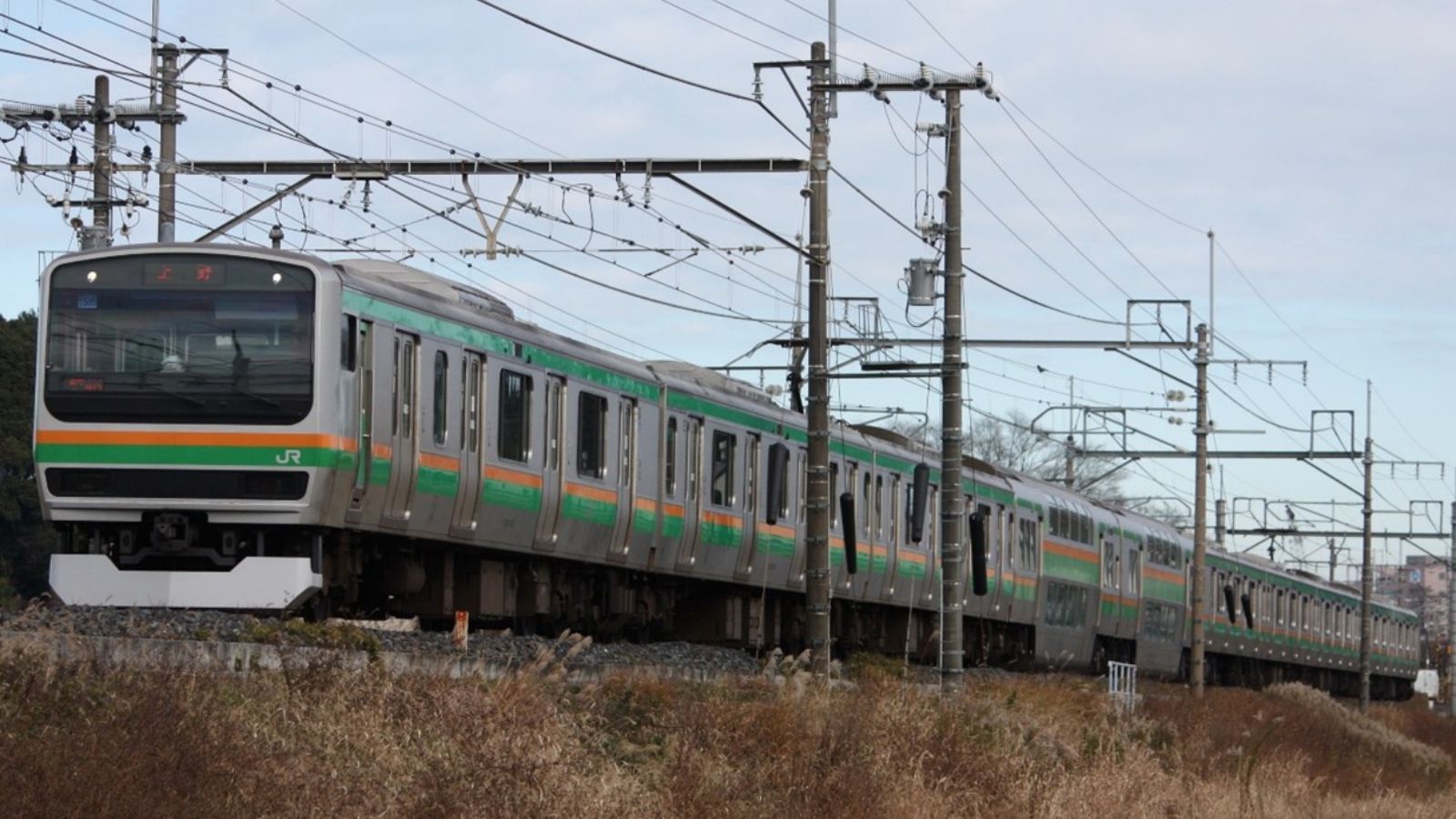
Executive Summary for the Railway Line Suspension in Tokyo
JR East suspended Utsunomiya Line services between Tokyo and Oyama on 09 February following an operational incident. While no major infrastructure damage has been confirmed, the suspension materially affects commuter movement between central Tokyo and northern Kanto. Based on comparable past incidents, partial restoration is likely within several hours, with full-service recovery expected within 24 hours. The disruption poses moderate risk to business operations, workforce attendance and short-haul logistics during peak and daytime travel periods.
- Event Date: 09 February
- Location: Tokyo Station, Oyama Station, Tokyo, Tochigi Prefecture, Japan
- Risk Category: Travel Risks
- Severity Level: 3 / 5
- Confidence Score: 85 %
Operational Context
The JR Utsunomiya Line is a critical radial commuter and regional rail corridor linking central Tokyo with northern Kanto, supporting high daily passenger volumes and interconnections with the Yamanote, Keihin-Tohoku, Shonan-Shinjuku and Takasaki lines. Operational incidents on this corridor frequently produce cascading congestion across Tokyo’s rail network and surface transport systems. Historical JR East disruptions indicate rapid response capability but variable restoration timelines depending on incident type, making immediate contingency activation essential for organizations reliant on predictable commuter flows.
Known Hotspots & Sensitive Zones
- High-impact zones: Tokyo Station, Ueno Station, Akihabara transfer zones and Oyama Station.
- Medium-impact areas: Omiya and intermediate stations feeding into the corridor.
- Low-impact areas: Peripheral districts with alternative private railway access.
Recurrence patterns show that winter incidents related to power, overhead equipment or personal injury events commonly trigger similar short-term suspensions.
Impact on Transportation & Services
Rail disruption is concentrated on the Utsunomiya Line, with indirect strain on parallel JR lines and private operators as passengers reroute. Surface transport demand is expected to rise sharply, increasing congestion on National Route four and metropolitan arterial roads. While no air or port impacts are anticipated, courier services and same-day logistics reliant on road transport may experience delays due to traffic displacement. Business operations dependent on on-site staffing are likely to face staggered arrivals and reduced productivity.
Recommended Action
- Organizations should immediately enable flexible work arrangements and staggered shifts for staff commuting through the affected corridor.
- Critical on-site roles should be prioritised, with alternative transport options such as chartered buses or reimbursed taxis considered where necessary.
- Logistics teams should reroute time-sensitive deliveries, adjust inventory buffers for 48–72 hours and maintain close coordination with carriers.
- Continuous monitoring of JR East service updates, local police advisories and station management announcements is advised to support dynamic decision-making.
Multi-Dimensional Impact
The suspension may marginally increase urban congestion, commuter stress and short-term operational costs for businesses providing travel allowances or delivery rescheduling, but no broader social or regulatory disruption is anticipated.
Emergency Contacts
- Emergency Number: 119
- JR East Information: jreast.co.jp/en
- Tokyo Metropolitan Police Department: 03-3581-4321
Situational Outlook
The most likely outlook is resolution within the same day following inspections and minor remedial action, with passenger flows gradually normalising. A moderate escalation remains possible if technical faults require extended repair, while a prolonged shutdown scenario is assessed as low probability based on historical precedent.
Strategic Takeaway
The JR Utsunomiya Line suspension represents a time-bound but operationally significant travel disruption for the Tokyo–northern Kanto region. Proactive workforce management, logistics flexibility and real-time situational awareness will limit business impact. Stay ahead of operational risks with real-time alerts, scenario modeling, and expert advisories with datasurfr’s Predict. Start your 14-day free trial of Datasurfr’s Risk Intelligence Platform today.
Tags: Tokyo news
Share on WhatsApp