
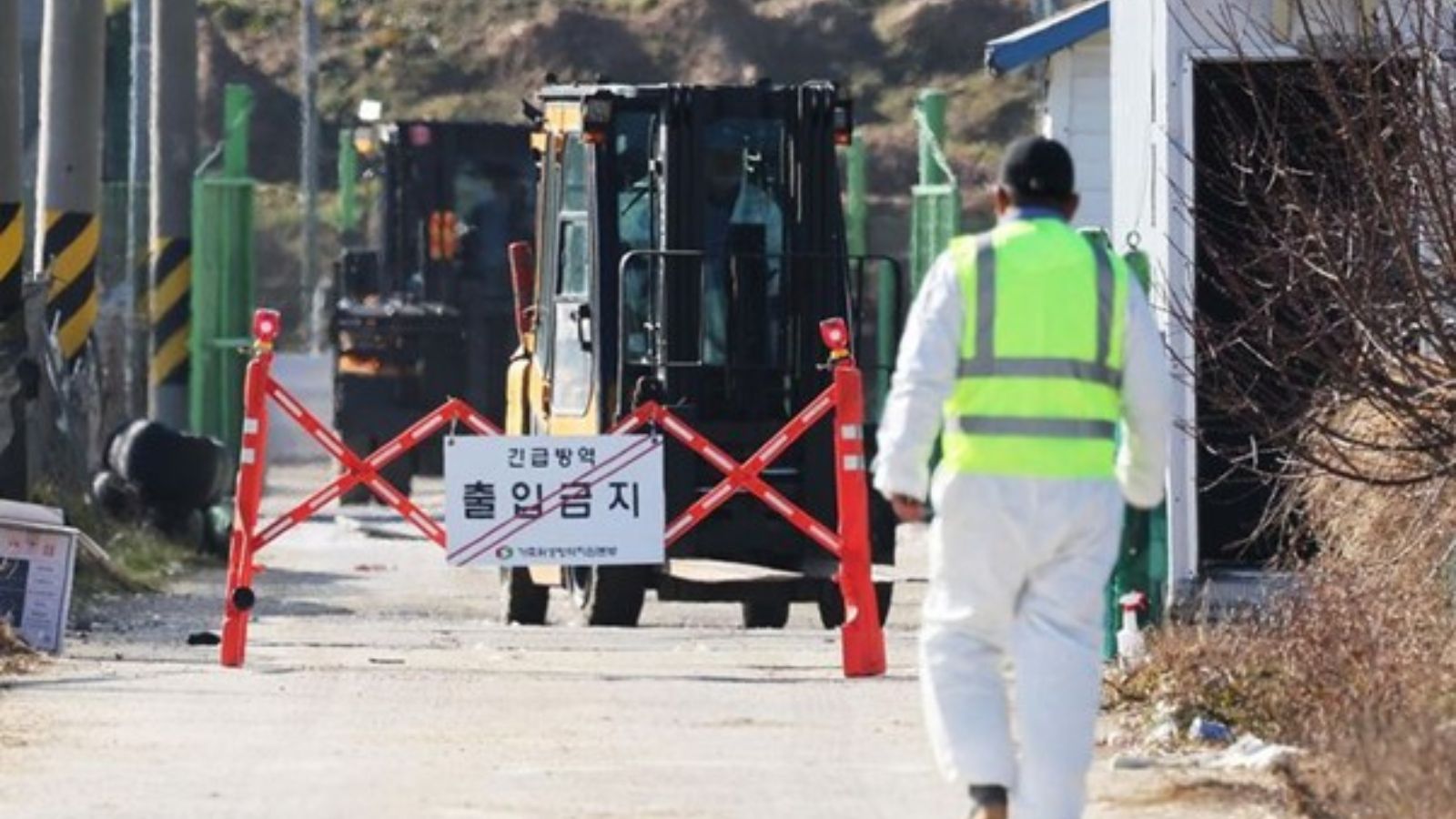
Operational Context
Avian influenza is a recurrent seasonal risk in South Korea, typically intensifying during winter months when migratory bird activity increases. Since 2023, multiple outbreaks of highly pathogenic avian influenza (HPAI) have required rapid containment through culling, movement restrictions and heightened biosecurity. The current measures reflect established national protocols led by agricultural and animal health authorities, with a strong emphasis on early detection, farm-level containment and prevention of onward spread to markets and processing facilities. While sustained human transmission has not been observed historically, the economic and operational implications for poultry-dependent industries are significant.
Executive Summary
- Event Date: 06 January
- Location: South Korea
- Risk Category: Health
- Severity Level: 3 / 5
- Confidence Score: 85 %
South Korean authorities have announced enhanced quarantine measures following recent avian influenza detections in birds. The response includes expanded surveillance, poultry movement restrictions, mandatory disinfection and strengthened border screening. Severity is moderate, reflecting likely short-term disruption to poultry operations and supply chains, with limited risk to human health. Confidence is high due to strong seasonality, prior outbreak patterns and institutional preparedness.
Current Updates
National agencies have confirmed the activation of special quarantine protocols, including intensified testing of wild birds, temporary movement bans around confirmed sites and increased disinfection of vehicles accessing poultry farms and live-bird markets. Port and airport screening for animal imports has been strengthened, and local veterinary teams are on heightened alert in high-risk provinces.
Known Hotspots & Sensitive Zones
- High Impact Zones: Poultry farms, live-bird markets and processing facilities in historically affected areas such as parts of Gyeongsangbuk-do and Chungcheong provinces.
- Medium Impact Zones: Rural transport corridors serving poultry clusters and municipal disposal facilities handling carcass management.
- Low Impact Zones: Urban centres without direct poultry operations, where impacts are largely indirect.
Avian influenza shows strong winter recurrence linked to migratory bird pathways near rivers, reservoirs and wetlands.
Impact on Transportation & Services
Transportation impacts are expected to be localized, primarily affecting rural access roads through temporary checkpoints and disinfection stations. National highways and passenger transport remain largely unaffected. Ports such as Busan and airports including Incheon may experience slower clearance for animal product consignments due to enhanced checks. Business operations tied to poultry farming, feed supply, processing and cold-chain logistics may face delays, inventory losses and compliance costs, while digital and general service sectors are not directly impacted.
Recommended Action
- Organizations with exposure to agri-supply chains should immediately activate animal-health response plans, enforce strict biosecurity controls and limit non-essential site access.
- Short-term measures include validating alternate suppliers outside restriction zones and maintaining buffer inventories.
- Strategically, businesses should strengthen traceability systems, contractual flexibility and coordination with regulators such as the Ministry of Agriculture, Food and Rural Affairs and the Korea Disease Control and Prevention Agency to ensure compliance and timely information flow.
Multi-Dimensional Impact
While unrelated political or security developments are unlikely to be directly affected, concurrent winter conditions may complicate logistics and carcass disposal operations, marginally increasing operational strain in affected provinces.
Emergency Contacts
- Ministry of Agriculture, Food and Rural Affairs (animal health advisories): mafra.go.kr/english/index..do
- Korea Disease Control and Prevention Agency: kdca.go.kr/eng/
- Emergency Number: 112
Situational Outlook
The most likely outlook is containment within discrete clusters over the next one to two weeks through targeted movement controls and surveillance. A moderate escalation could involve wider regional restrictions and market closures, while a severe escalation with national-level supply disruption remains less probable but possible if detections spread across provinces.
Strategic Takeaway
Enhanced quarantine measures signal a controlled but evolving health risk with clear implications for poultry supply chains and rural operations. Early compliance, transparent communication and proactive contingency planning are essential to limit losses. Continued monitoring through early-warning and intelligence platforms such as MitKat’s Datasurfr can support timely decision-making and resilience during seasonal animal health events. Stay ahead of operational risks with real-time alerts, scenario modeling, and expert advisories with datasurfr’s Predict. Start your 14-day free trial of Datasurfr’s Risk Intelligence Platform today.
Share on WhatsApp