KEY TAKEAWAYS:
- Diwali falls on 08 November 2026, and the rules on firecrackers, vehicle entry and market access differ sharply from state to state and even district to district. In Delhi-NCR, a Supreme Court order permits only certified green crackers on 07 and 08 November, between 0600 and 0700 hours and 2000 and 2200 hours IST, with the complete ban returning on 09 November; non-BS-VI vehicles registered outside Delhi are also barred from entering until 31 January 2027.
- Mumbai Police have prohibited bursting firecrackers on public streets and roads until 04 December, Karnataka has fixed a 2000–2200 hours window from 08 to 10 November, and Punjab, Chandigarh, West Bengal and others set a 2000–2200 hours window on Diwali night.
- Jaipur’s walled city and major markets are under a special traffic plan from 06 to 09 November, and dense crowds are expected in markets in Delhi, Mumbai, Thane, Bengaluru, Hyderabad, Kolkata, Haridwar and Punjab.
- Businesses should expect longer journey times, delivery restrictions, higher fire and injury risk, and compliance exposure for any company celebration that breaches local rules.
- The report says several 2026 city orders could not be independently confirmed, so check local police and municipal notices before acting.
Diwali is days away, and for organisations operating in India the main risks are crowded markets, tightly regulated firecrackers and changing traffic rules. This summary draws on datasurfr’s special advisory dated 04 November 2026. Rules vary by district and can change at short notice, and the advisory itself flags where a 2026 order could not be confirmed, so treat this as a guide and check the current local notice before you act.
When is Diwali 2026 and which cities face the most disruption?
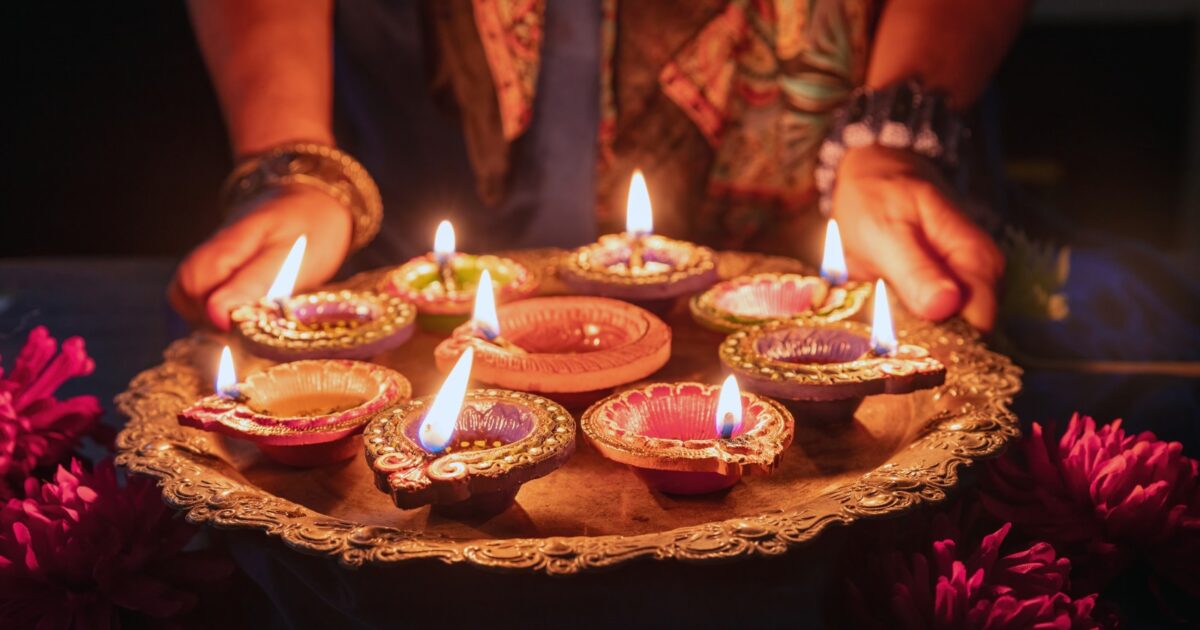
Diwali (Deepavali) is observed on 08 November 2026. Celebrations typically bring family gatherings, temple visits, festive shopping, decorative lighting and fireworks, with the heaviest footfall in traditional markets and religious sites in the days beforehand. The advisory covers Delhi-NCR, Mumbai, Thane, Bengaluru, Hyderabad, Kolkata, Jaipur, Haridwar and Punjab, and names crowded commercial districts and religious sites as the main congestion points. Firecrackers, temporary electrical installations and dense crowds also raise the risk of fires, injuries and delayed emergency response.
What are the Diwali 2026 firecracker rules in Delhi-NCR?
A Supreme Court order dated 29 October, made public on 02 November, permits only certified green crackers on 07 and 08 November, between 0600 and 0700 hours and between 2000 and 2200 hours IST. The complete ban resumes from 09 November, and the next hearing is on 16 December. Only crackers approved by CSIR-NEERI are allowed, sold in sealed boxes with a non-transferable QR code; joined-series crackers, garlands and barium-based crackers are banned, and online sales are prohibited. Bursting is not allowed within 300 metres of hospitals, nursing homes, health centres, old-age homes, educational institutions and notified silence zones. Rules differ across the region: in the NCR districts of Haryana, the advisory says all firecrackers are banned throughout the year with no festival exemption, while six NCR districts of Rajasthan, including Alwar and Bharatpur, have a total ban until 06 November and the same two windows on 07 and 08 November. Delhi has also barred entry of non-BS-VI vehicles registered outside the capital from 01 November until 31 January 2027, with electric and CNG vehicles exempt and number-plate cameras being installed at border checkpoints.
What are the firecracker rules in other states and cities?
In Mumbai, police have prohibited bursting firecrackers, fireworks and rockets on public streets and roads, and the use of laser lights and high-intensity beams, from 06 October to 04 December 2026, following directions of the Bombay High Court. Maharashtra’s directions also ban noise-making crackers between 2200 and 0600 hours, and Thane has a 2200–0600 hours curfew, a 125-decibel limit and a ban on bursting within 100 metres of hospitals, schools and courts. Karnataka allows only green crackers with a QR code from 2000 to 2200 hours on 08 to 10 November. Punjab, Chandigarh and West Bengal set a 2000–2200 hours window on Diwali, with West Bengal also allowing 0600–0800 hours on Chhath Puja and Punjab adding early-morning and evening windows on Gurpurb, 24 November. Tamil Nadu permits 0600–0700 hours and 1900–2000 hours, and Odisha 1900–2100 hours. Chandigarh and Punjab ban online firecracker sales. In Hyderabad, no official 2026 time-window order had been issued when the advisory was written, though earlier years used 2000–2200 hours.
Which markets and roads will see the heaviest traffic?
In Delhi, severe congestion is expected around Connaught Place, ITO, Chandni Chowk, Karol Bagh and Khan Market, with jams likely on the Outer Ring Road, Mathura Road near Pragati Maidan and the NH-48 flyover on the Delhi–Gurugram corridor. In Mumbai, Crawford Market, Kalbadevi, Bandra, Ghatkopar and Dadar are expected to see heavy shopper traffic, and logistics operators are advised to check permitted routes and delivery windows with Mumbai Traffic Police. In Thane, the advisory expects a repeat of earlier years’ vehicle ban on Veer Savarkar Road around Naupada. Bengaluru’s Commercial Street, Brigade Road and Chickpet, and Hyderabad’s Charminar, Begum Bazaar and Abids areas, will be busy, with Hyderabad’s Dhanteras on 06 November, the Diwali holiday on 08 November and the Sadar festival on 10 November adding crowds. Jaipur has announced a special advisory for the walled city and major markets from 06 to 09 November: heavy vehicles are banned from the walled city, several stretches are closed or one-way, autos and e-autos are barred on main corridors except permitted e-rickshaws, and designated parking has been set up at Chandpol, Chaugan Stadium and Ram Niwas Bagh.
What are the business and safety impacts?
The advisory expects longer journey times on arterial roads near markets and temples, reduced route availability from closures and parking controls, and delayed shipments and replenishment where goods vehicles are restricted or delivery windows are limited. Congested approaches may slow police, fire and ambulance response, dense late-evening crowds increase exposure to pickpocketing and theft, and firecracker emissions and noise can affect air quality and sensitive people. For businesses the extra costs are longer journeys, rescheduled deliveries and alternative transport, and crowded markets may affect customer footfall and collection times. Company celebrations that breach local firecracker or lighting restrictions, including Mumbai’s public-street ban and the Delhi-NCR time windows, could create legal and reputational exposure.
What should businesses and individuals do to prepare?
Organisations are advised to monitor official police, municipal and pollution-control advisories and update travel, delivery and site-access plans as restrictions change, and to map offices, warehouses and critical facilities against market hotspots and notified closures. They should adjust delivery schedules and route plans, verify vehicle-emission compliance for deliveries into Delhi, consider flexible start times, staggered shifts or remote work, and review planned celebrations against local rules. At operational sites, keep emergency access clear, exits marked and fire-safety and first-aid equipment working, check backup power and electrical loads where decorative lighting is heavy, and brief employees and contractors on fire safety and incident reporting. Individuals are advised to check traffic advisories before leaving, allow extra time, use designated parking, avoid restricted roads, and buy only certified green crackers from authorised sellers and burst them only in permitted windows and places. They should keep children supervised, keep water or sand nearby, never light crackers near vehicles, wires or gas installations, avoid overloading sockets with decorative lights, and keep valuables secure in crowded markets.
Frequently asked questions
When can firecrackers be burst in Delhi-NCR on Diwali 2026?
Only certified green crackers may be burst on 07 and 08 November, between 0600 and 0700 hours and between 2000 and 2200 hours IST, under the Supreme Court order. The complete ban returns on 09 November. NCR districts of Haryana ban all firecrackers year-round.
Can I buy firecrackers online for Diwali 2026?
In Delhi-NCR, Chandigarh and Punjab, the advisory says online sales are prohibited, and e-commerce platforms may not complete firecracker orders in restricted districts in Haryana and Rajasthan. Buy only from licensed sellers at designated locations.
Is bursting crackers allowed on public roads in Mumbai?
No. Mumbai Police have prohibited bursting firecrackers, fireworks and rockets on public streets and roads, and the use of laser lights and high-intensity beams, from 06 October to 04 December 2026, unless the order is withdrawn earlier.
What are the emergency numbers?
Unified emergency response: 112; Police: 100; Fire: 101; Ambulance: 102 or 108. Delhi Traffic Police: 1095 or 011-25844444; Mumbai Traffic: 022-24940303 or WhatsApp 8454999999; Jaipur Traffic: 1095; Punjab Traffic Helpline: 1073.
Download the full advisory now
datasurfr’s Special Advisory on Diwali 2026 carries the complete state-by-state firecracker table, city-by-city lists of affected areas and traffic measures, the full impact assessment, and a directory of traffic and emergency contacts. Download the full advisory now to brief your travel, operations and security teams.
Filed under: India-South AsiaThreat Intelligence Special Reports